
The complete guide
How To Stop Laundry Drain Smells, A Practical Buyer's Guide
The smell that keeps coming back
You clean the machine. You run a hot empty cycle with cleaner. You leave the door open. And a week later the laundry still has that faint drain smell, strongest on warm afternoons or right after a load finishes.
That smell is usually not the washing machine at all. It is coming up the floor trap, through the gap around the drain hose.
Think about how the setup works. Your machine pumps water out through a hose. The hose drops into a pipe in the floor or a standpipe on the wall. In almost every installation there is a ring of open space between the outside of the hose and the inside of the pipe, because the hose is narrower than the pipe. That space is deliberate, since water needs room to flow past. Unfortunately air moves through it just as easily, and the air down there is drain air.
A drain hose seal closes that ring. Water still gets out. Smell no longer gets in.
How the seal works
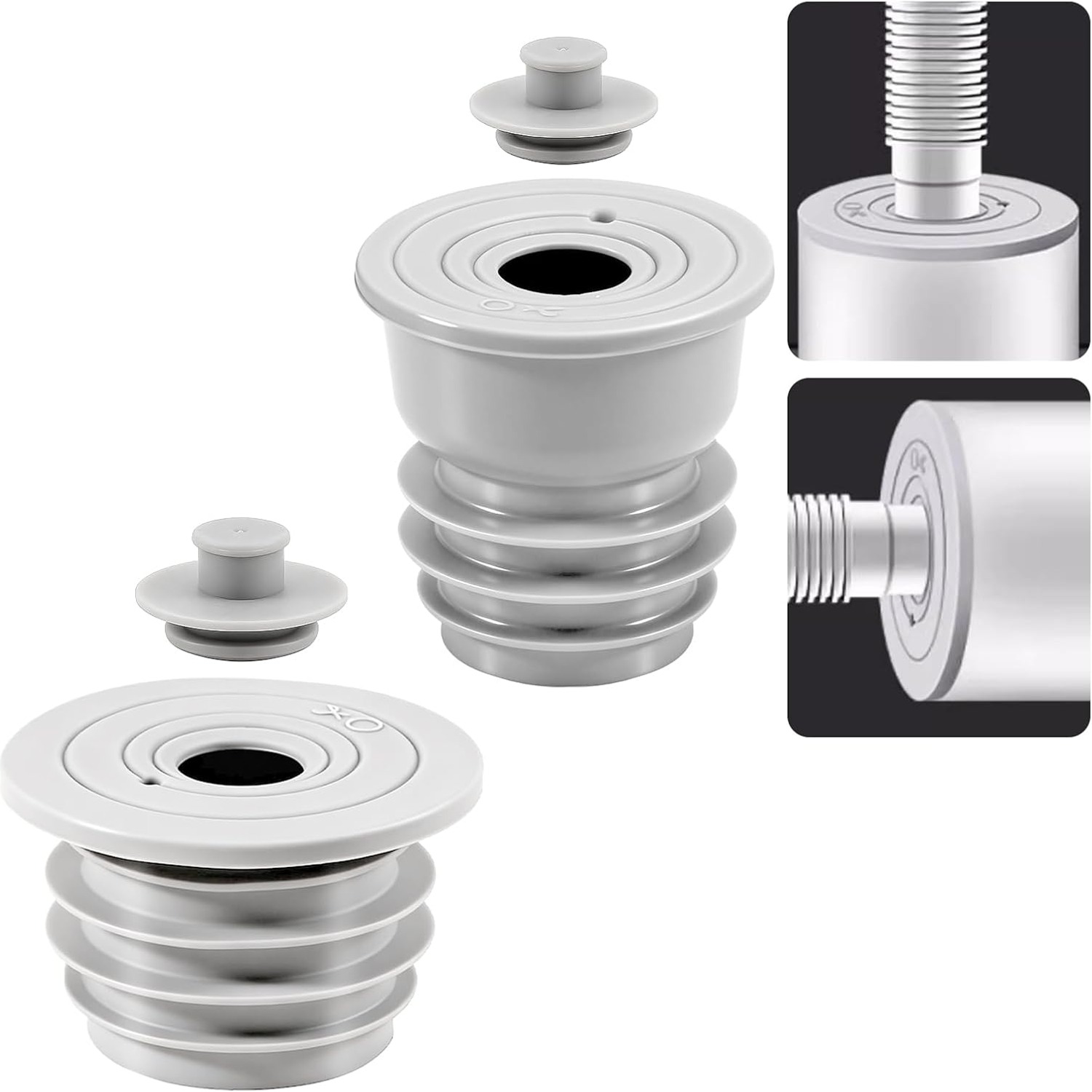
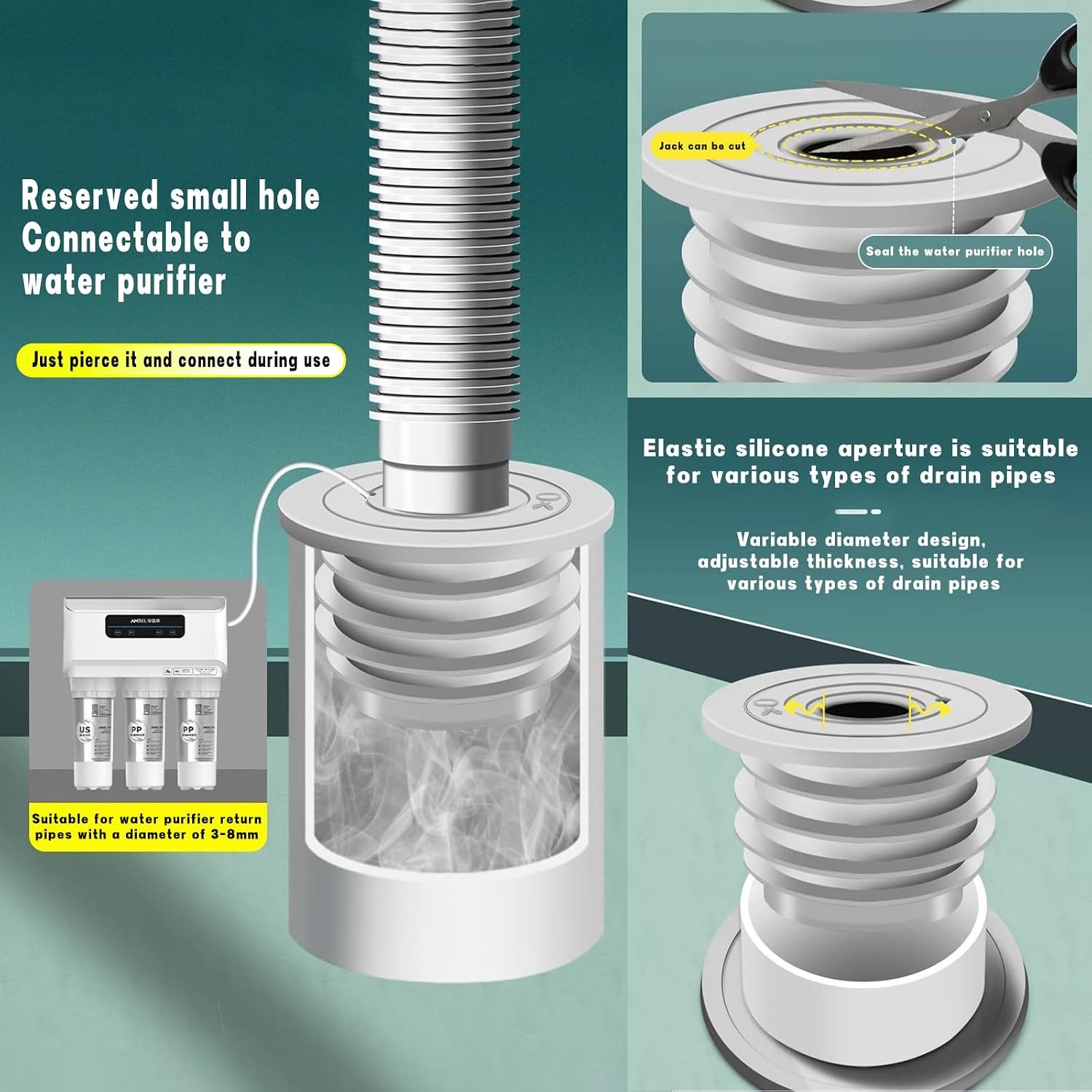
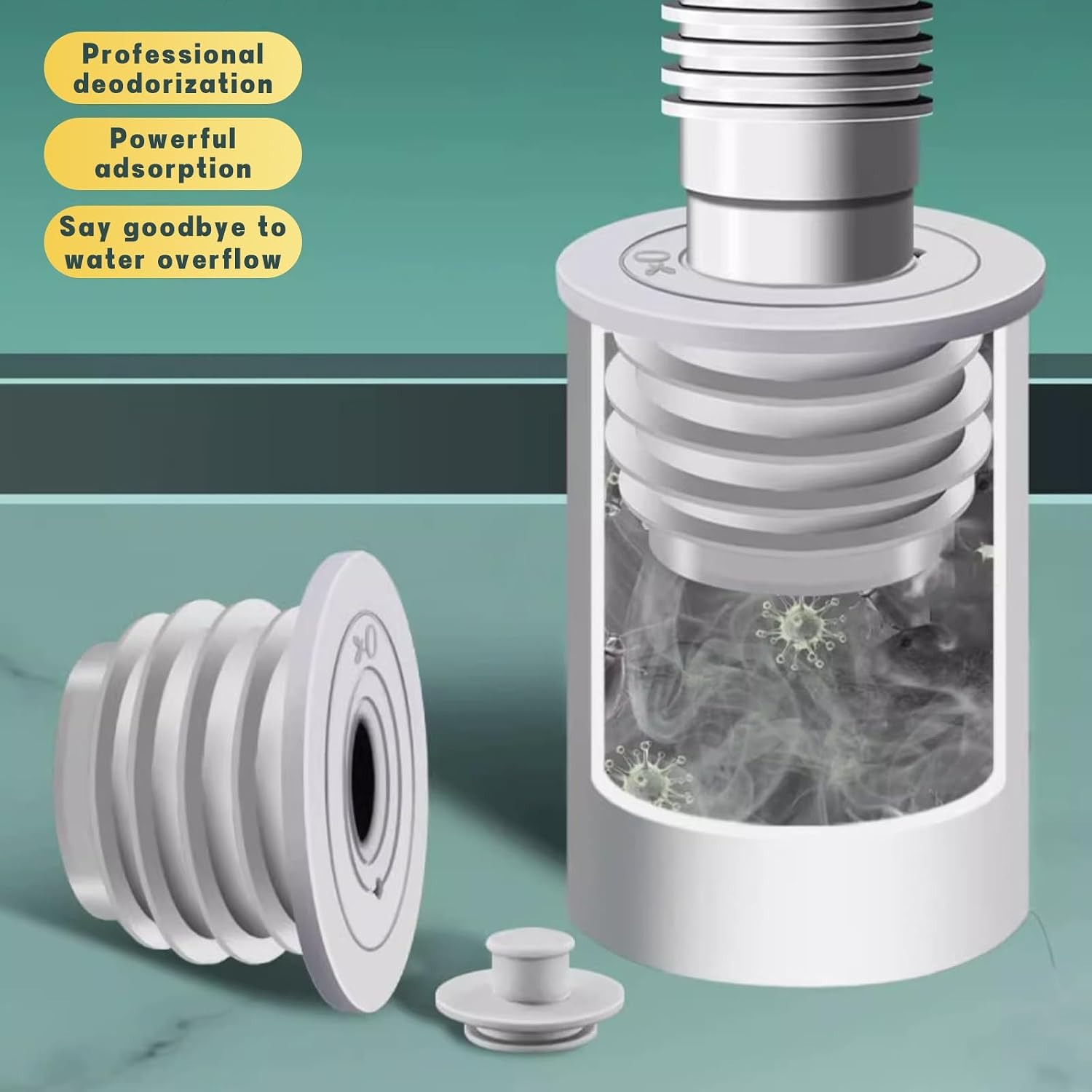
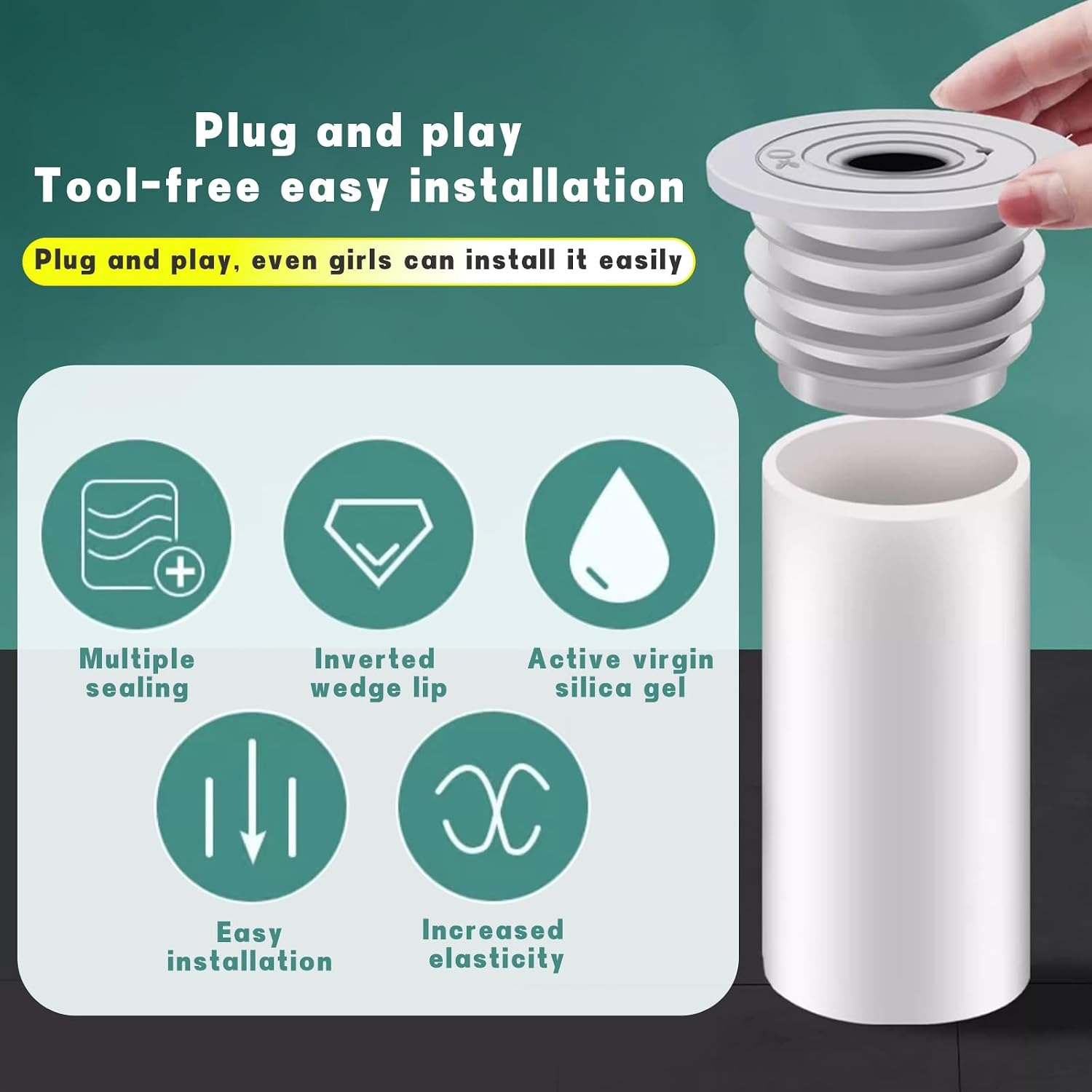
The design is simple on purpose. A flexible silicone body presses into the mouth of the waste pipe and grips the inside wall. A flange sits on top so it cannot slide down out of reach. In the middle is a sleeve the drain hose passes through, and the silicone closes around the hose like a cuff.
Once fitted, you have two seals working together. The outer edge seals against the pipe, and the inner sleeve seals against the hose. Air has no straight path from the drain to the room.
The second job it does is less obvious but you notice it fast. Washing machine pumps shift water quickly. When the hose is just dangling in a wide pipe, some of that water hits the pipe wall and bounces back up and out, leaving a puddle on the laundry floor. With the gap closed the backwash stays inside the pipe.
The third job is simply holding the hose steady. A loose hose vibrates, creeps upward and sometimes jumps clean out of the drain mid-cycle. The grip of the silicone keeps it where you put it.
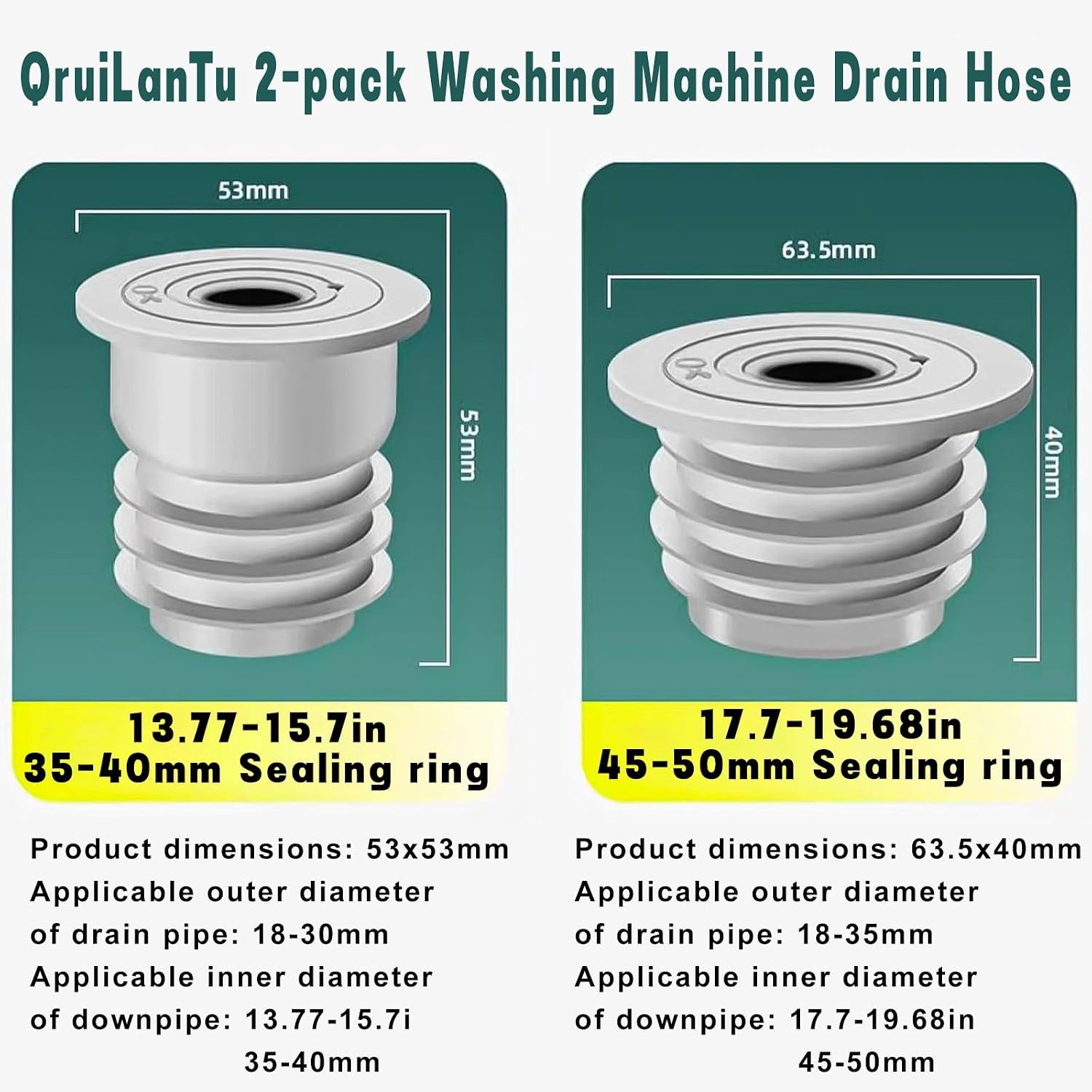
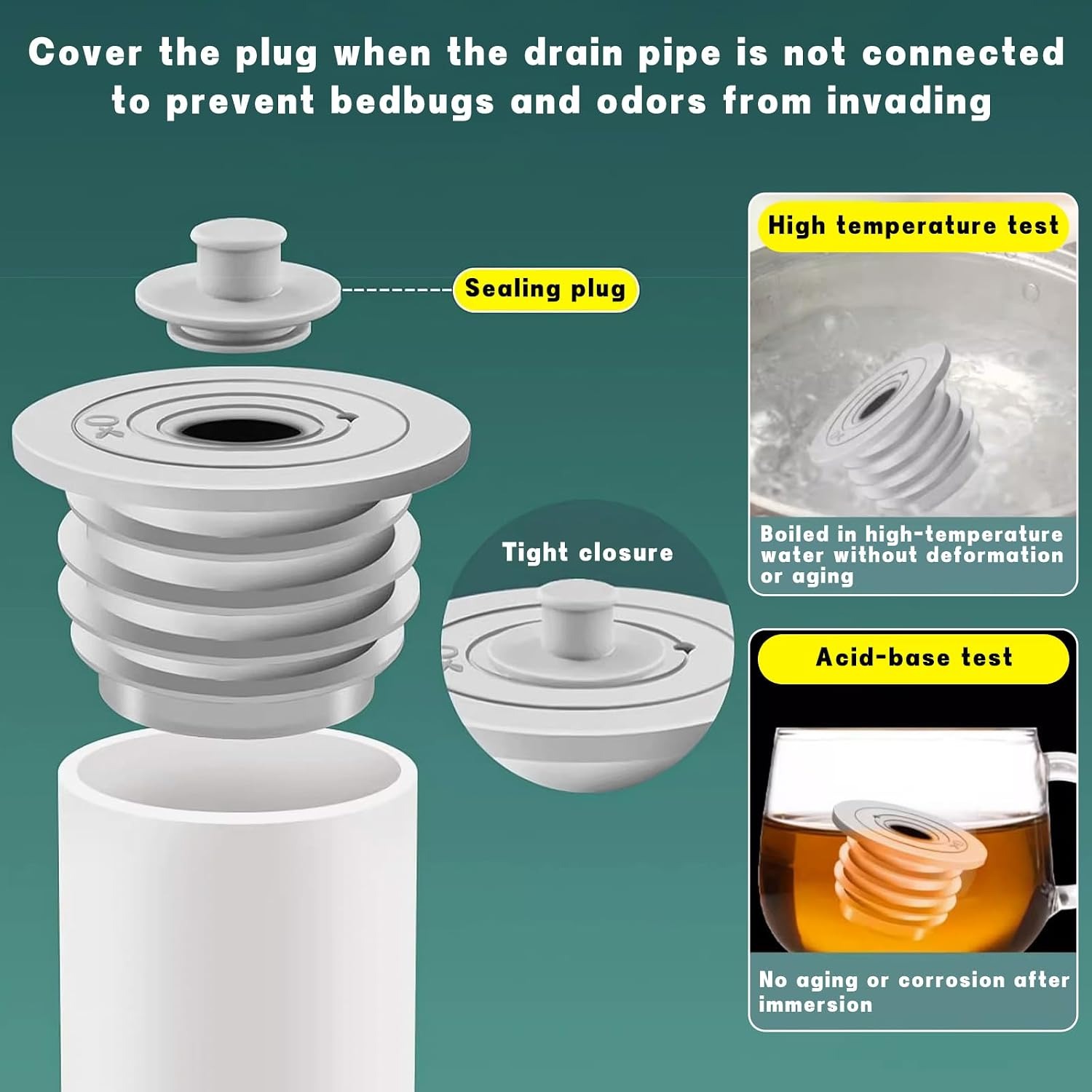
This pack includes two pieces in different sizes, so between them you cover openings of roughly 35mm through to 50mm. There is also a cap that sits over the opening when no hose is in place.
Who this suits
Anyone with a floor trap in the laundry is the obvious case. These are extremely common in apartments, townhouses and warm-climate housing, and they are also the most likely to smell because the trap underneath can dry out during quiet weeks.
Renters get good value from it. There is nothing permanent. No glue, no cutting, no drilling. You push it in, and when you move out you pull it out and take it with you. If you have been searching for the best floor trap seal for laundry that a landlord will not mind, that is the main appeal.
It also suits people with a laundry sink or mop sink whose drain hose runs into the same waste. Kitchen setups where a dishwasher or machine hose drops into a cabinet waste pipe work the same way.
Holiday homes and second properties are another good fit, which is where the cap earns its place. A drain that sits unused for a month or two will dry its trap and start venting. Capping it between visits is a two-second habit that avoids walking into a stale house.
Who it does not suit: anyone whose pipe opening is far wider than 50mm, anyone dealing with an actual blockage, and anyone whose waste connection is a fully plumbed, clamped hard connection. Those are different problems.
Measuring before you buy
This is the step people skip and then regret, so do it first. Pull the drain hose out of the pipe. Hold a ruler or tape measure across the inside of the pipe opening, edge to edge, and read the measurement in millimetres.
If the pipe mouth looks a little oval from years of a hose rubbing against it, measure the widest direction. Silicone is forgiving and will flex into a slightly irregular opening, but you want to know the real number.
Compare it to the 35 to 50mm range. Sitting comfortably inside that range means one of the two pieces should seat well. Sitting right at the edge means the fit may be snug or loose, and you should expect to push a little harder or trim slightly.
While the hose is out, look at the hose itself. Standard washing machine drain hoses are fairly consistent in diameter, but a slim line such as a water purifier drain is much narrower. The design includes a small hole for exactly that kind of line.
Fitting it
Move the machine out far enough to reach the drain comfortably. This is almost always the hardest part of the job, so take a minute and do it properly rather than working at an awkward angle.
Pull the hose out of the pipe and set it aside. Wipe the inside rim of the pipe opening so the seal has clean silicone-to-pipe contact. A build-up of lint and grey slime is normal and it will stop the seal gripping properly.
Press the seal into the opening with your thumbs until the flange sits flat. You want firm, even pressure around the rim. If it goes in too easily, you probably have the wrong size of the two.
Feed the drain hose down through the sleeve to the depth it sat before. Do not shove it metres down the pipe, since a hose pushed too deep can siphon. A short insertion past the seal is enough.
Run a rinse or spin cycle and watch. You are looking for water going down cleanly with no spray at the rim and no hose movement. If anything looks wrong, pull it apart and refit.
Keeping it working
Lint is the enemy. Every wash sends fibres down the pipe, and some of them settle on the seal. Over a few months this builds into a film that smells on its own, which can trick you into thinking the seal has failed.
Pull it out every month or two. Rinse under warm running water, work a soft brush or cloth with a little dish soap over the surfaces, and rinse again. Let it dry before refitting so it grips rather than slides.
What to avoid: neat bleach soaks, solvents, and scouring pads. Flexible seals do not enjoy any of those, and the time saved is not worth the shortened life. Warm soapy water handles everything you will realistically find on it.
One more maintenance note that has nothing to do with the product. If your laundry sits unused for weeks, tip a jug of water down the floor trap occasionally. That refills the trap. The seal and the trap work as a pair, and the best anti odour floor drain plug in the world cannot help a trap with no water in it.
Common mistakes
Buying before measuring. The single most frequent cause of a wrong fit.
Forcing a seal into a cracked or crumbling pipe mouth. Fix the pipe, then seal it.
Pushing the hose too far down the pipe. This can create a siphon that pulls water back out of the drum. Keep the hose end shallow.
Expecting it to solve a drainage problem. Slow or backing-up water is a blockage. A seal will not clear it and may make an overflow messier.
The short version
Laundry drain smell is usually an air gap problem, not a machine problem. A silicone seal pressed into the waste pipe closes the gap around the drain hose, cuts splash-back, and holds the hose in place. Two sizes in the pack cover openings from about 35mm to 50mm, fitting takes under a minute with no tools, and the included cap closes the drain when nothing is plugged into it.
Measure your pipe opening first. If the number lands in range, this is a cheap fix for something that has probably been annoying you for a long time.