
The complete guide
Flexible Drain Brush Buyer's Guide, Clearing Pipes You Cannot See
The problem nobody notices until it smells
A drain rarely fails all at once. It gets slower. The sink takes a little longer to empty, then a little longer again, and one morning there is a ring of water sitting in the bottom at breakfast time. Along the way a faint sour smell starts drifting up when the room is warm.
What is happening inside the pipe is simple. Every time you rinse a pan, a thin film of fat goes down with the water. It cools and sticks to the pipe wall. Soap, toothpaste, hair and food scraps catch on that film, and the layer thickens. The channel narrows. The gunk starts to rot, and that is where the smell comes from.
Chemical drain cleaners attack part of that layer but often only burn a hole through the middle of it. The ring of residue stays on the pipe wall and starts collecting again within weeks. The only thing that genuinely removes it is physical scrubbing, and for that you need something long and bendy enough to reach the whole run.
How a 150cm flexible drain brush works
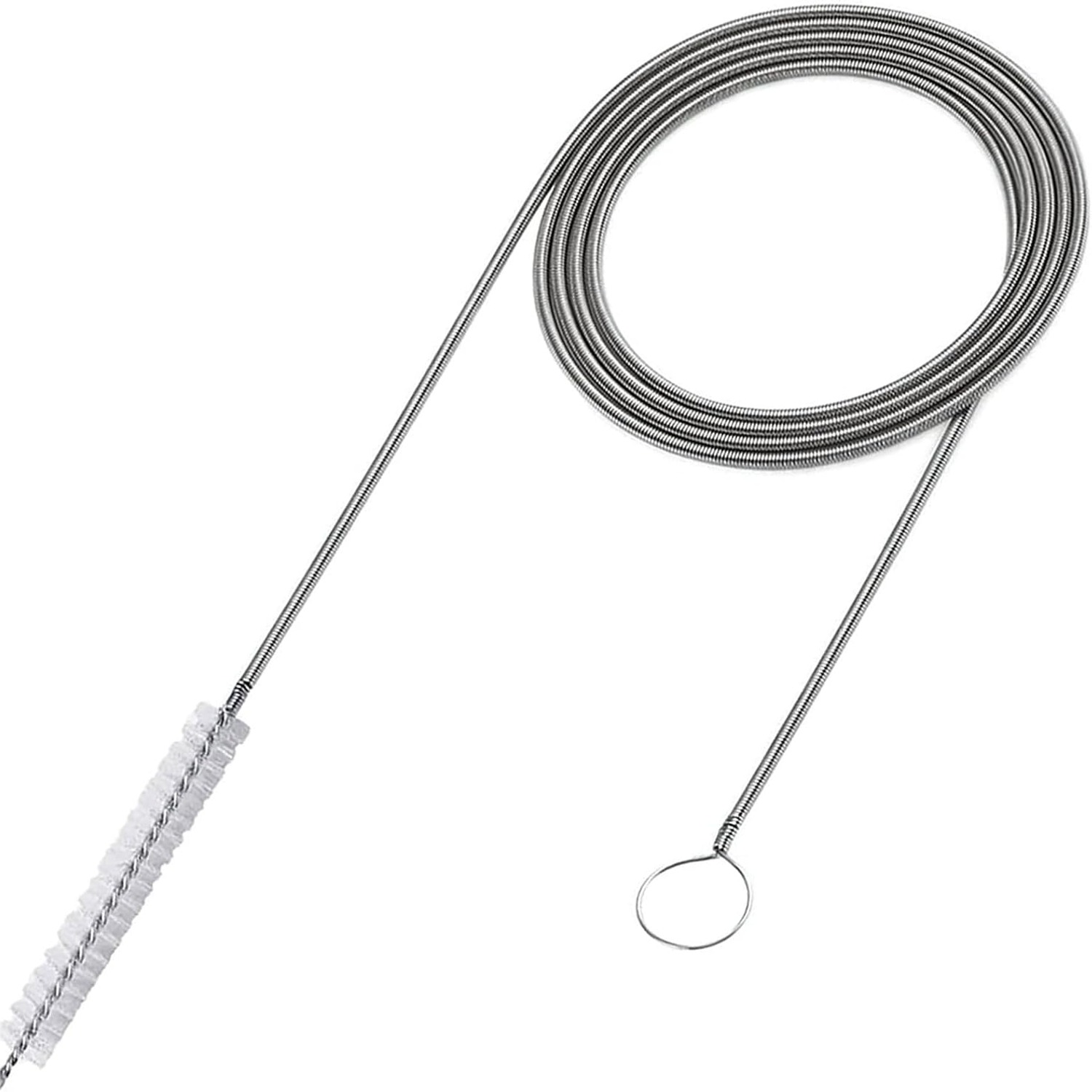
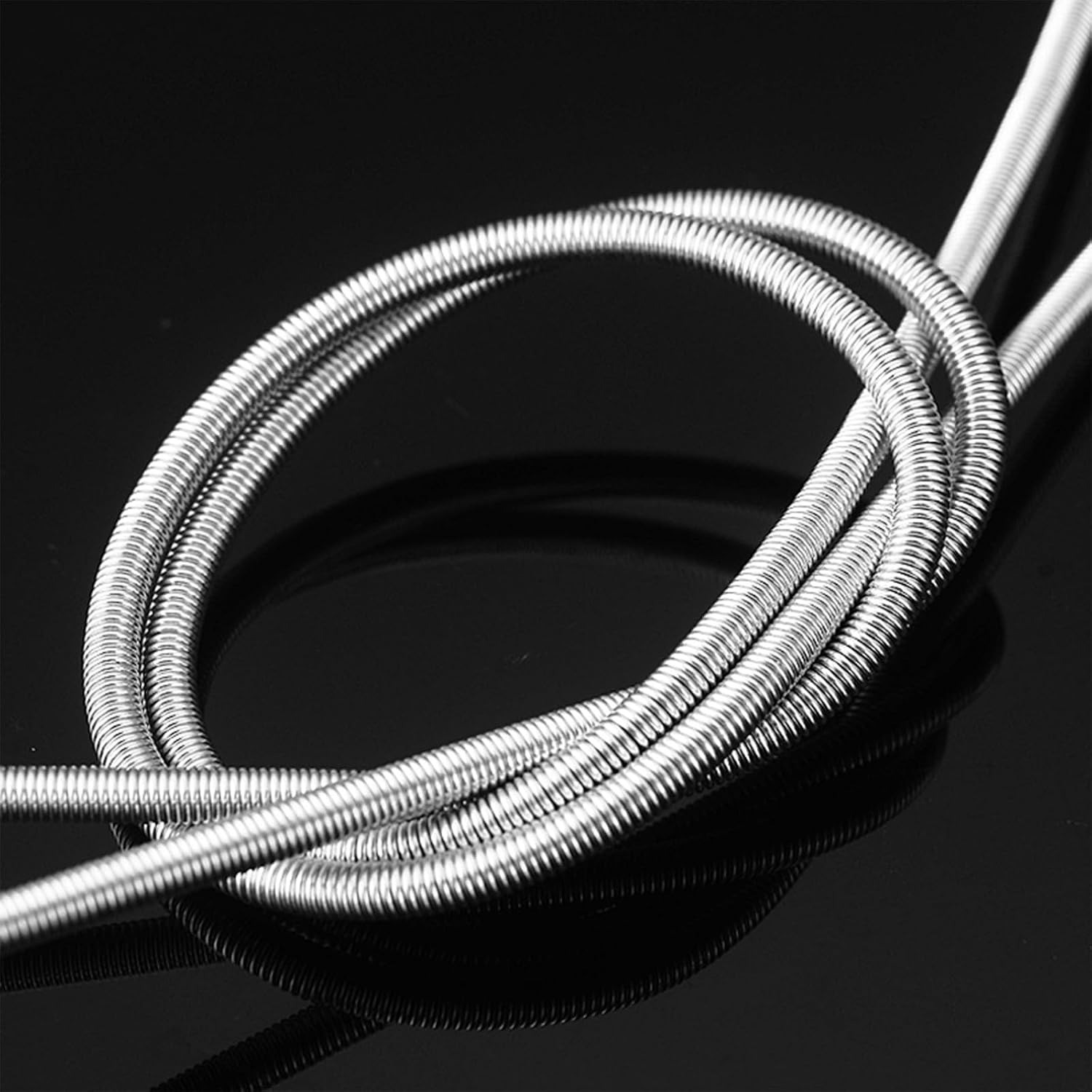
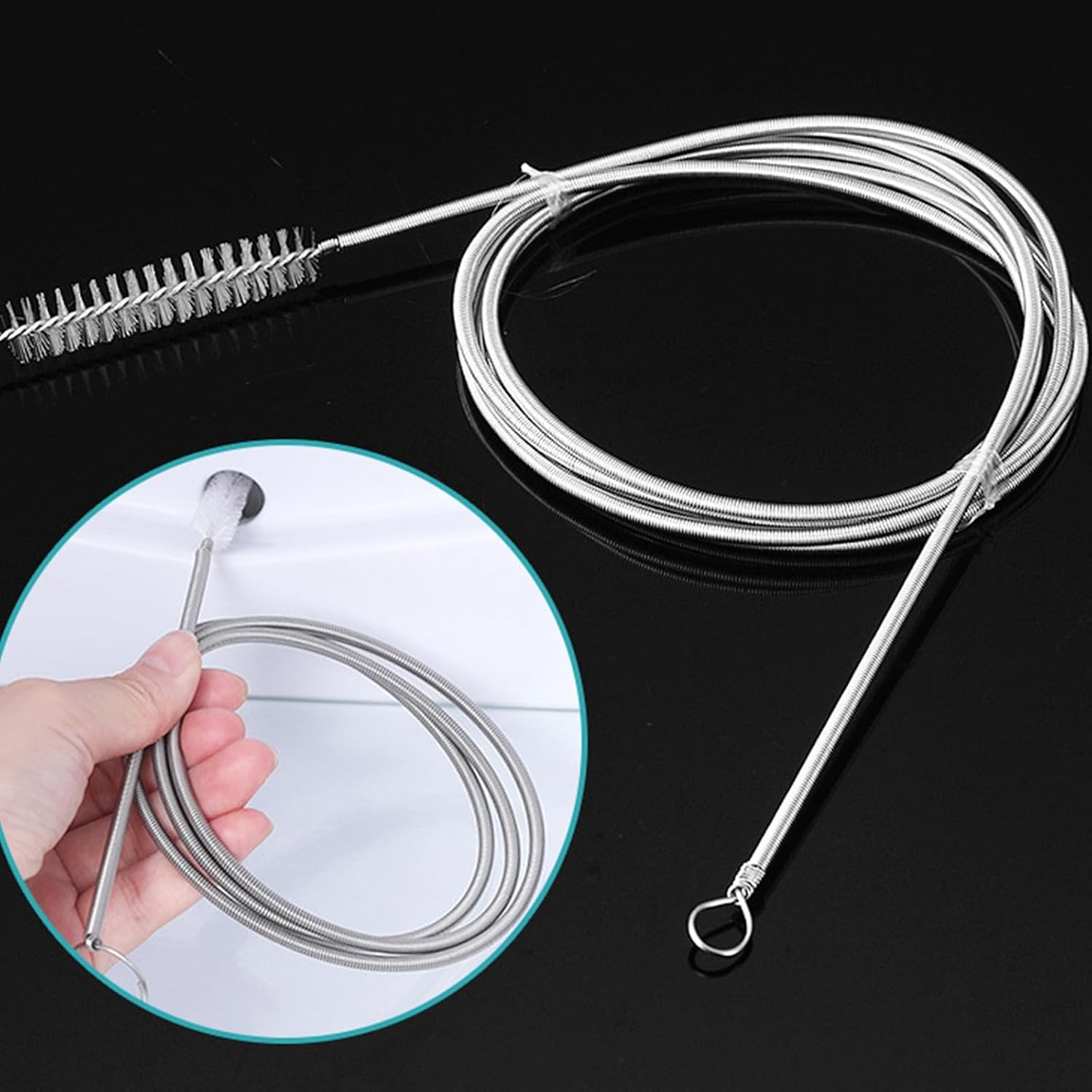
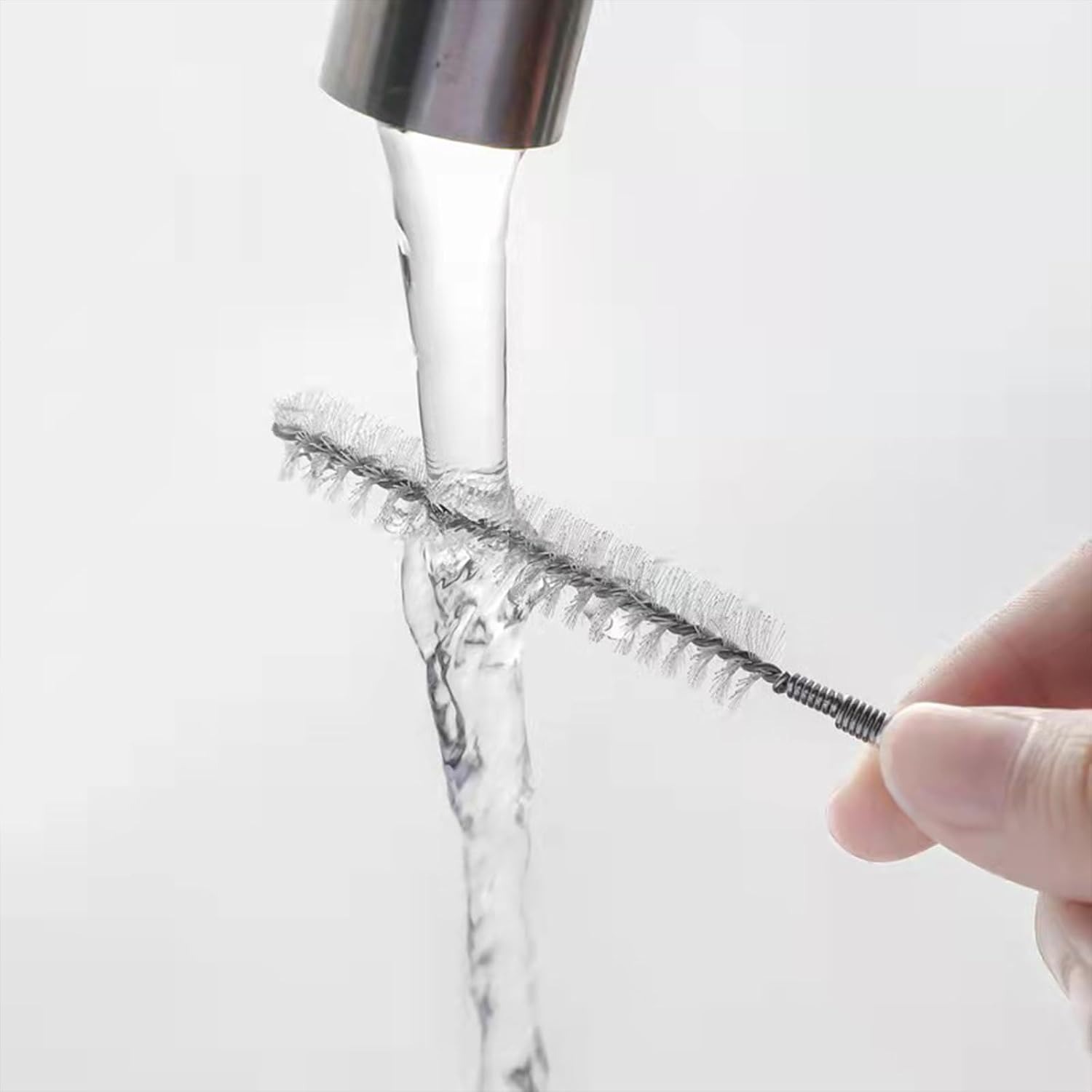
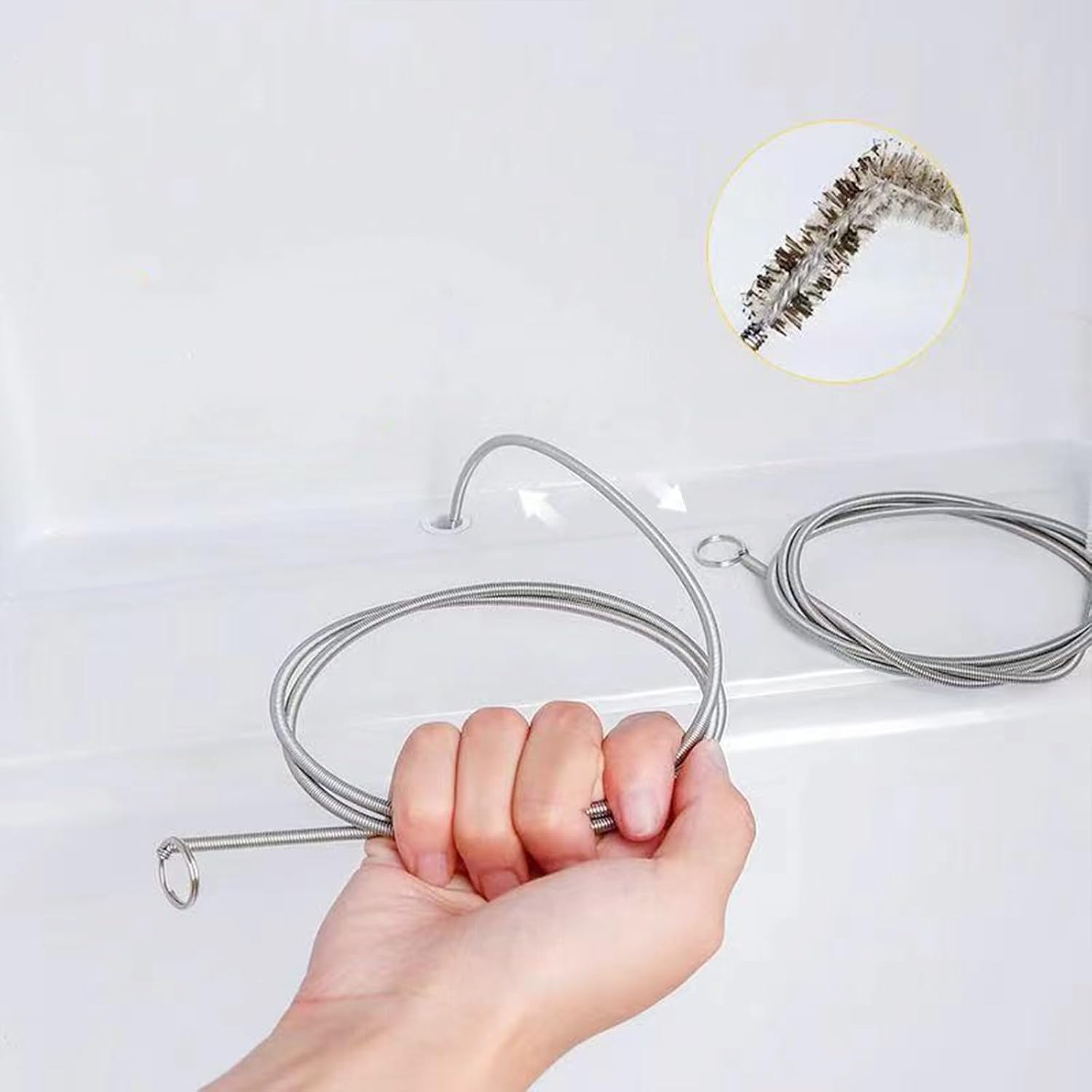
The build is straightforward. Bristles sit along a spiral cord, and the far end finishes in a metal handle you can hold and twist. The cord is the clever part. It bends without folding, so when the brush hits the curve of a sink trap it bows and carries on rather than stopping dead.
You push the bristle end into the opening and feed it in with a slow twisting motion. Turning as you go does two things. It helps the brush find its way around bends, and it scrubs the pipe wall in a spiral pattern rather than scratching one straight line down the middle.
When you have gone as far as you comfortably can, work the brush back and forth a few times over the dirtiest section. Then pull it out slowly. A lot of what you came for comes out with it, which is why it is worth having a plastic bag or an old container ready.
Finish by running hot water down the drain for thirty seconds. That carries off whatever you loosened but did not catch.
Where this brush actually earns its place
The obvious job is the kitchen sink. Grease belongs to kitchens and so does a drain hole cleaning brush.
The job that surprises people is the refrigerator. Fridges have a small drain hole at the back of the interior that carries condensation down to a tray near the compressor. Crumbs, spilled milk and mould block that hole, and then water pools in the bottom of the fridge or freezer and you start wondering if the appliance is dying. It usually is not. The drain is just clogged, and a long flexible brush threaded down that tube clears it in a couple of minutes.
Beyond that, the same tool handles bathroom basin and shower drains, window channel drains, washing machine outlet hoses once they are disconnected, drinking water tubing, and metal straws. The common factor is a narrow opening with length behind it. If you can only reach the first few centimetres with what you currently own, this is the tool that fills the gap.
A small habit worth adopting: keep one brush for waste drains and, if you clean a lot of straws and water lines, keep a second one for food contact items. They are inexpensive enough that the separation is easy.
Choosing the right drain brush
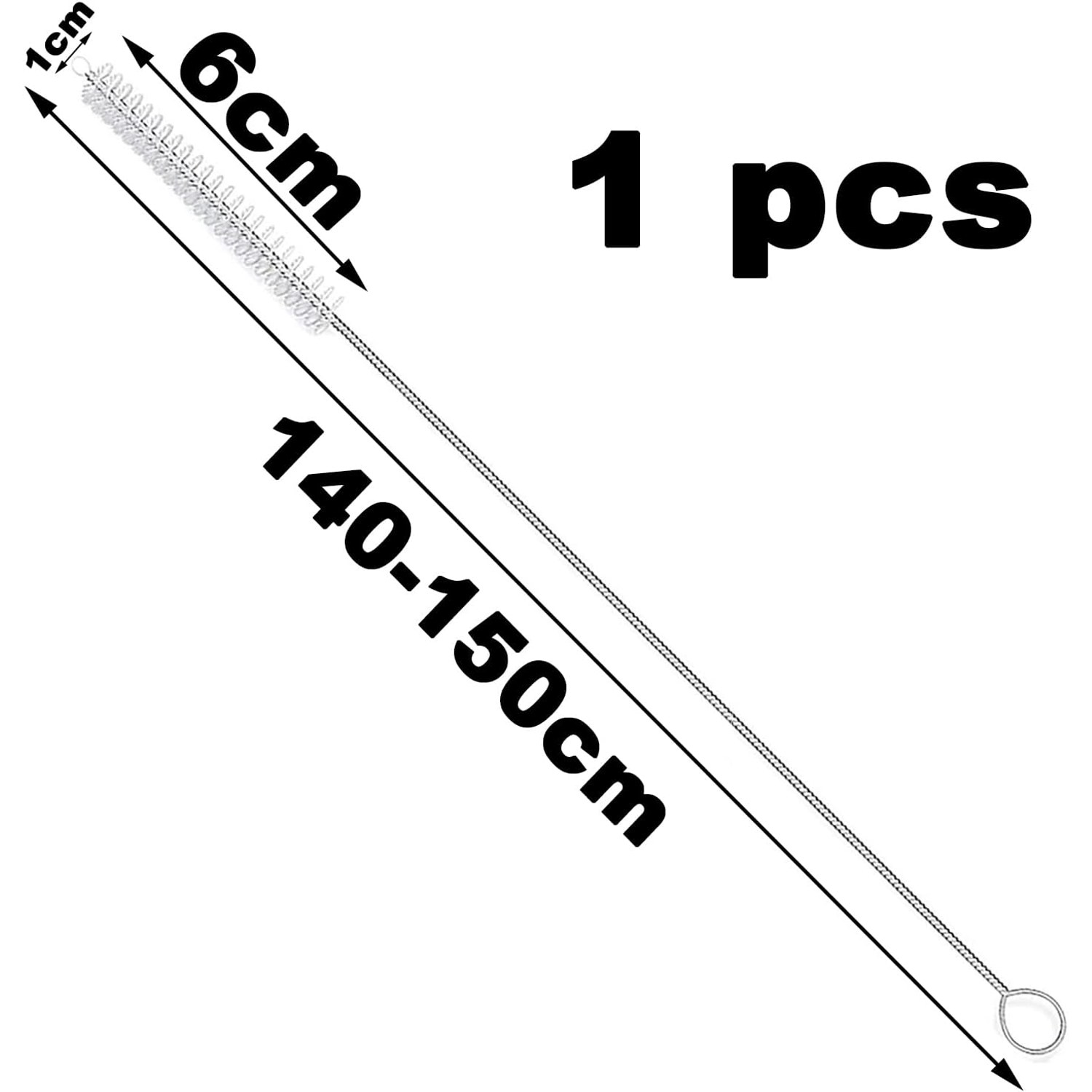
Length matters more than you think. Short bottle brushes stop at the first bend. A long pipe brush at 150cm reaches the sections where blockages actually form, which is usually past the trap rather than right at the plughole.
Flex is not the same as flimsy. You want a cord that bends on the turn and springs back, not one that folds and stays folded. A spiral construction with a firm core strikes that balance. If it kinks once, that kink will always be the point where it buckles.
Diameter decides what you can enter. A slim brush fits a fridge drain tube and a straw. A fat brush scrubs a wide waste pipe better but will not fit the narrow stuff at all. A slim flexible brush gives you a wider range of jobs from one tool, which is why most households are better served by the narrower option.
A real handle makes the work easier. Twisting a bare cord with wet fingers is unpleasant and slow. A metal handle gives you control and keeps your hand out of the drain.
Reusable beats disposable. A brush you rinse and reuse costs nothing after the first purchase and is always to hand. Single use wipes and sticks cost money every time and run out at the worst moment.
Using it without making a mess
Put a bucket or a towel under the work area before you start, especially if you are working on a fridge where water may run out of the tube once it clears.
Wear gloves. Nothing in a drain is dangerous in a healthy home, but it is not pleasant either, and gloves keep the job quick.
Go in gently. If the brush meets firm resistance, do not force it with your whole arm. Back off a centimetre, twist, and try again at a slightly different angle. Most resistance is a bend, not a blockage, and a bit of rotation gets you past it.
Do not combine the brush with caustic drain chemicals. If you have poured something down the drain recently, flush with plenty of water first and leave it a while before you put a tool in there.
If the drain is completely blocked and water will not move at all, a brush may not be enough. A total blockage can mean a solid obstruction or a problem further down the line, and that is plumber territory.
Looking after the brush
Rinse it under a running tap the moment you finish. Fresh residue comes off easily, dried residue does not.
If it came out greasy, a little dish soap and warm water sorts it. Work the soap through the bristles with your fingers, rinse, and shake off the water.
Dry it before storing. A wet brush shut in a cupboard will start to smell, which rather defeats the purpose. Hang it over a hook or lay it on a draining board for an hour.
Store it coiled loosely. Tight folds set permanent kinks in the cord, and a kinked brush buckles instead of bending next time you use it.
How often to do this
For a busy kitchen sink, every month or two keeps the pipe clear and stops the problem starting. Think of it the way you think of cleaning an oven filter.
For bathroom drains, every few months is usually enough unless you have long hair in the house, in which case monthly is better.
For a fridge drain, twice a year is a reasonable schedule, or straight away if you notice water collecting under the salad drawer.
Routine beats rescue. Five minutes every couple of months is far less effort than dealing with a sink full of standing water on a Sunday evening.
The short version
Slow drains and bad smells come from a layer of grease and debris coating the inside of your pipes, and the only reliable way to remove that layer is to scrub it off. A flexible drain brush 150cm long reaches the parts of the run where the build up actually sits, bends around traps and corners instead of stopping at them, and pulls the mess back out with it.
This one has a metal handle for grip, a flexible spiral body, and enough length for kitchen sinks, bathroom drains, fridge drain holes, window drains, water tubing and metal straws. Rinse it after each use, let it dry, store it loosely coiled, and it will keep going for a long time.
Keep it under the sink. Use it before you need it. That is the whole trick.