
The complete guide
How to Choose and Use a Sink and Bath Plunger Set
The slow drain nobody deals with until it is too late
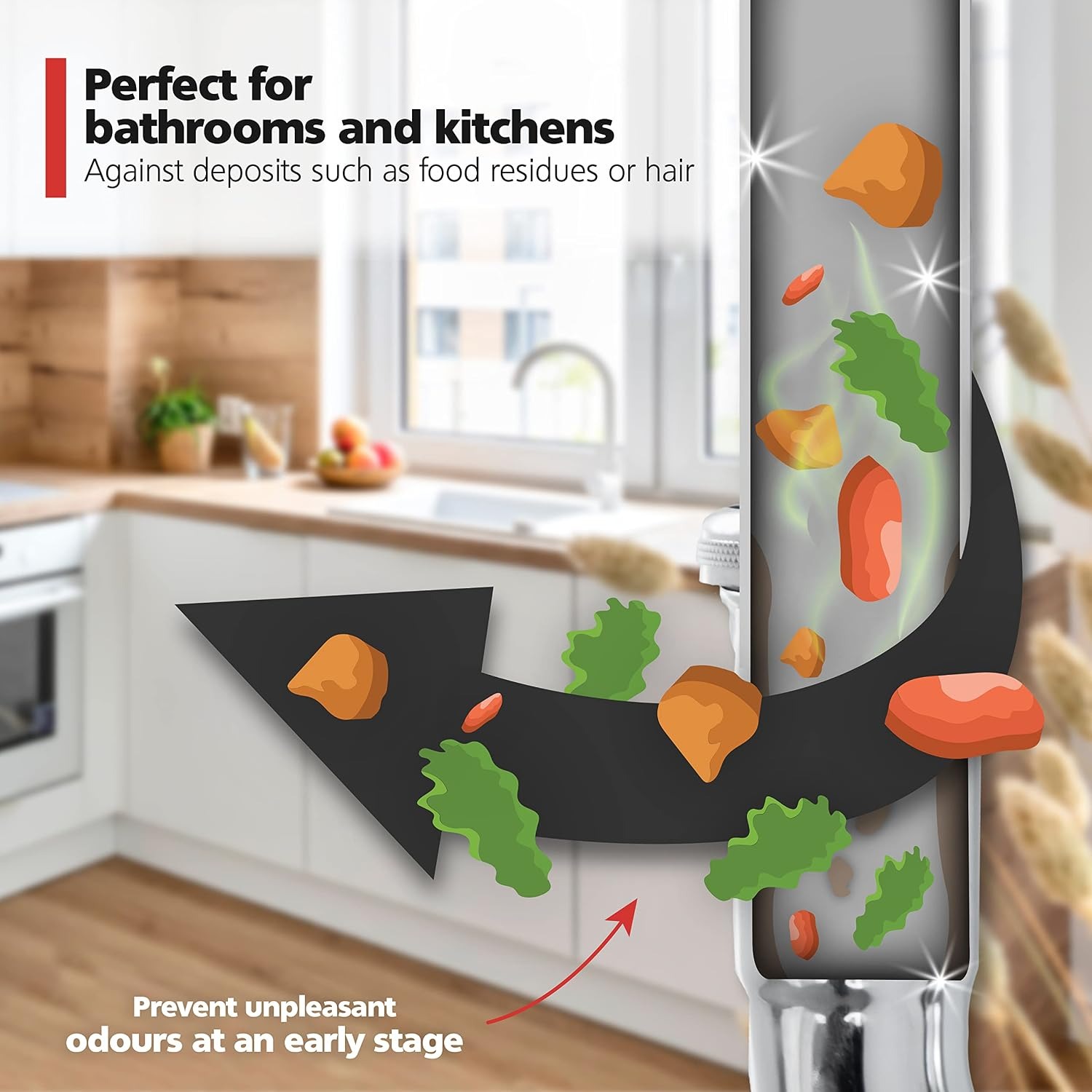
A blocked drain almost never arrives all at once. It creeps. The basin takes a second longer to empty, then five seconds, then you notice a ring of water sitting around the plughole while you shave. Most people ignore that stage completely, then pour a bottle of caustic cleaner down the pipe at midnight when the water will not go anywhere at all.
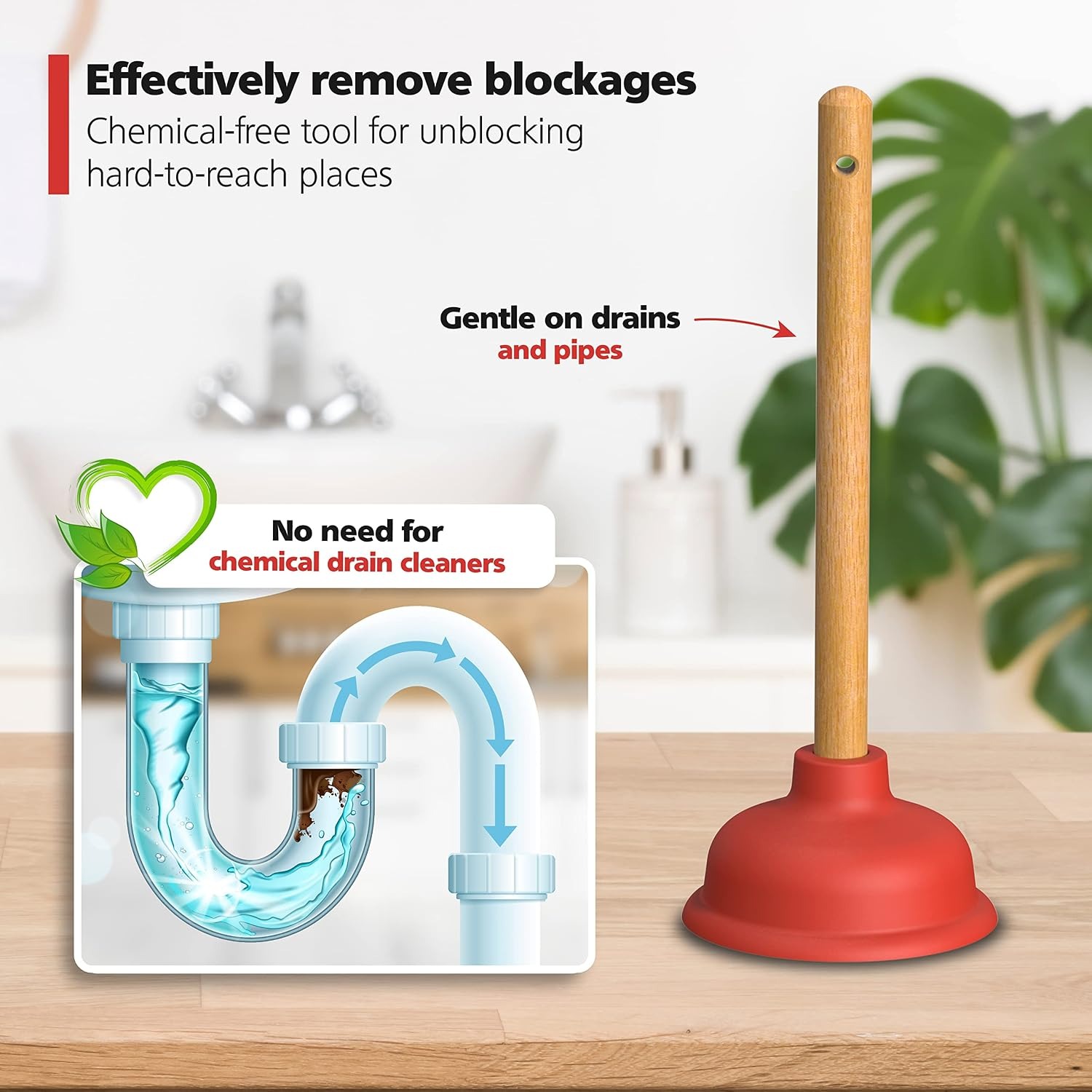
That bottle is the expensive habit. Chemical drain cleaner is harsh on older pipe joints, unpleasant to have in a cupboard with kids around, and it often does nothing at all against a solid plug of hair. A plunger costs less, works in under a minute when the blockage is soft, and you can use it the moment you notice the drain slowing rather than waiting for a crisis.
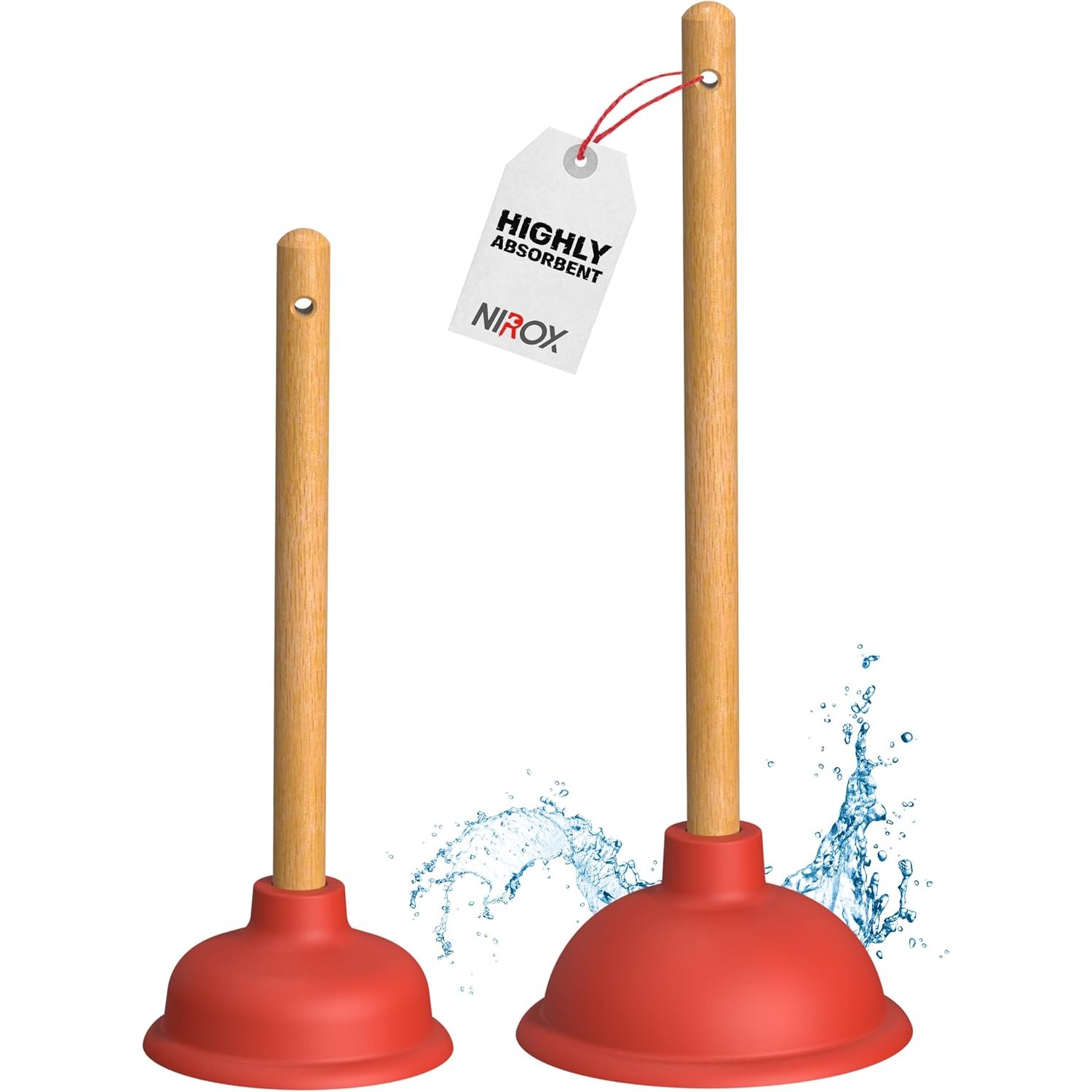
The catch is that one plunger does not fit every drain. A bathroom basin waste and a bath outlet are different sizes sitting in different shaped surfaces. That is the reason this set has two cups.
How a plunger actually works
People assume a plunger pushes a blockage down the pipe. That is only half true, and it is the less useful half.
What really clears the drain is the back-and-forth. When you push, water is forced down against the clog. When you pull up, the seal holds and water is dragged back towards you. That reversing pressure breaks a packed clump apart instead of compressing it tighter. This is why slow, steady strokes beat one heroic shove, and why you should pull up sharply on the final stroke to drag the loosened material back.
For any of that to happen, the cup needs a seal. If air is leaking around the rim, you are just slapping rubber on ceramic. Two things kill the seal more than anything else. One is a cup that is the wrong size for the outlet. The other is an open overflow hole letting the pressure escape out the top.
The two sizes and what each is for
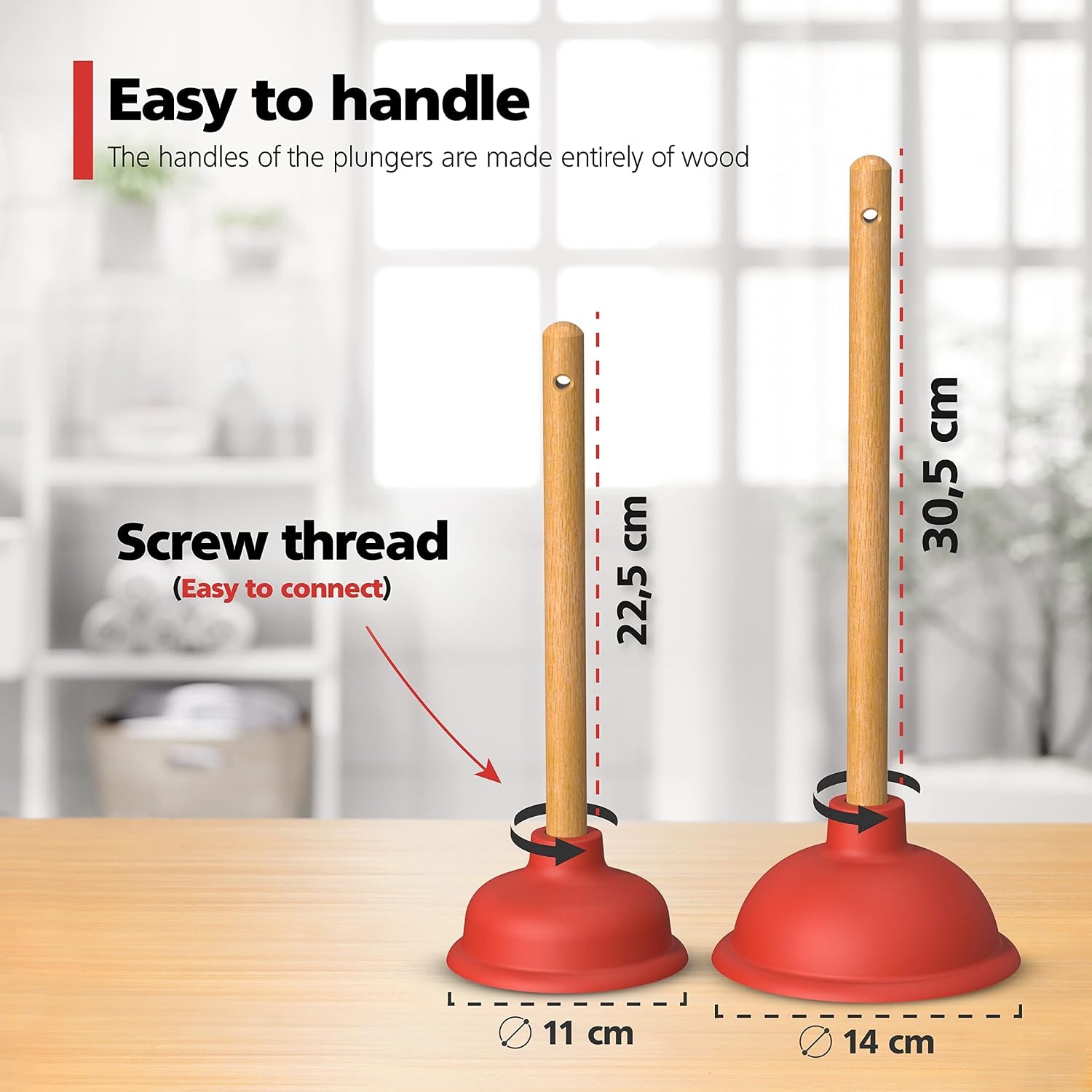
The 110mm cup is the small one. Use it on bathroom basins, bidets, and any narrow waste where a wide cup would sit on the curved slope of the bowl rather than flat around the drain. A smaller cup also needs less water in the bowl to be submerged, which matters when a basin is shallow.
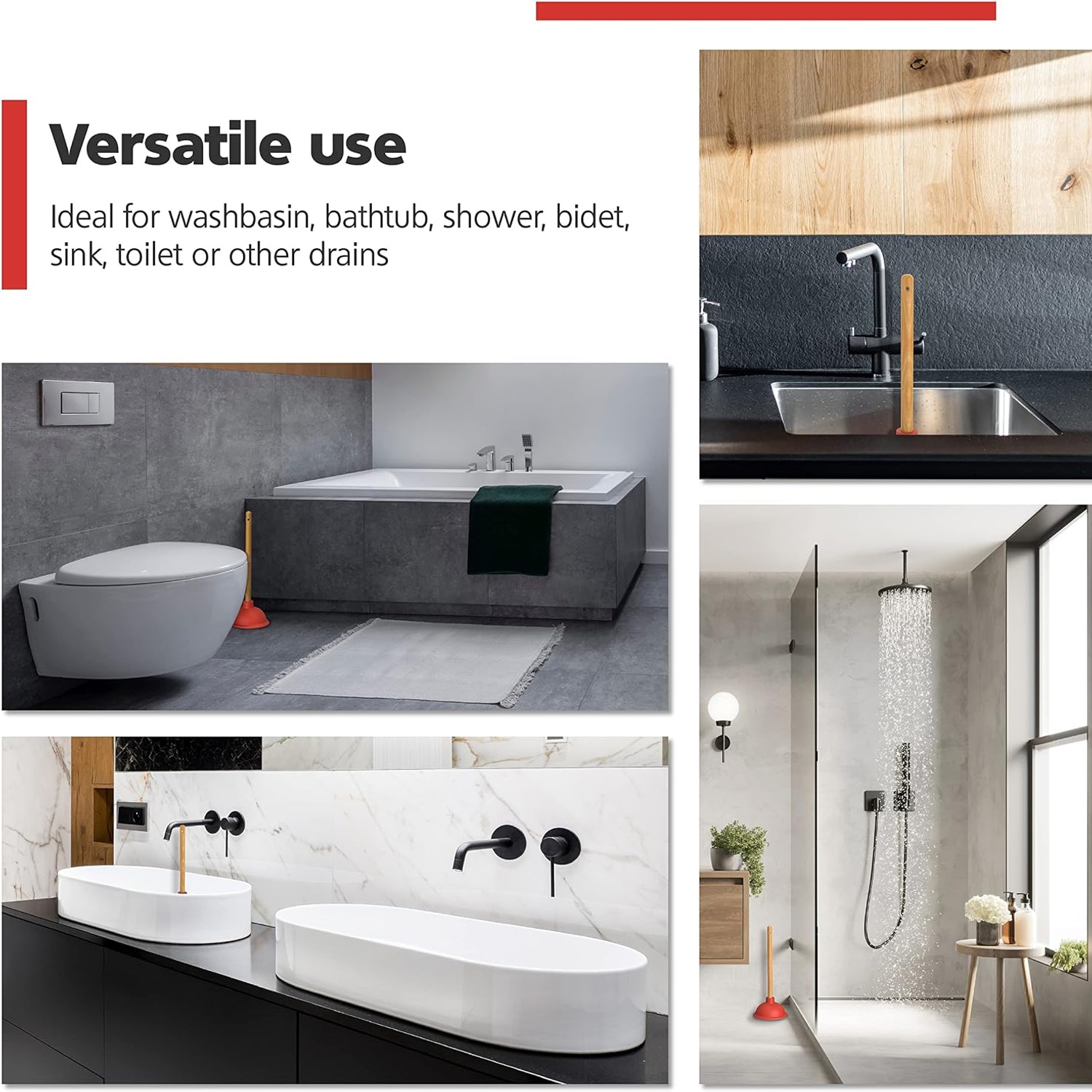
The 140mm cup is the workhorse. Kitchen sinks, bath outlets and shower trays all have wider flatter areas around the drain, and the bigger cup grips there properly. It also displaces more water per stroke, so it hits a stubborn blockage harder. If you have ever tried to clear a bath with a tiny plunger and given up, this is why.
Having both means you stop improvising. Most households only own one plunger, usually the wrong size for at least half their fixtures.
Step by step, the way that actually works
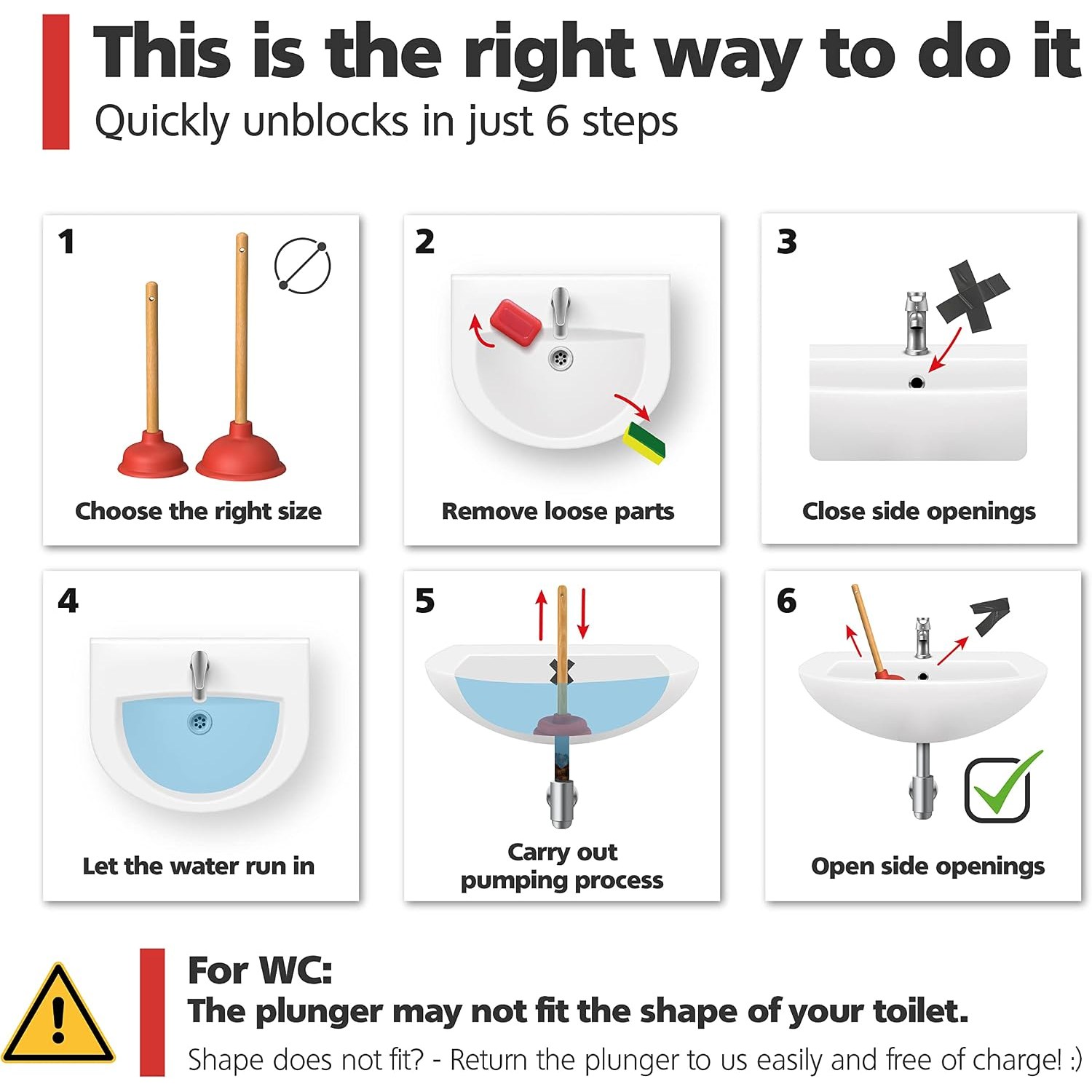
Start by running enough water into the basin or bath to cover the rubber cup completely. Plunging into air does almost nothing, since air compresses and water does not.
Find the overflow. Basins and baths usually have one near the rim. Press a damp cloth hard over it, or get someone to hold it. If you skip this, a good part of your effort escapes through that hole. In a double kitchen sink, block the second drain the same way.
Set the cup over the outlet and press down slowly, squeezing out trapped air. Then plunge with firm, controlled strokes, maybe fifteen or twenty, keeping the rim in contact the whole time. Lift sharply at the end and see what comes up. Fish out any loosened hair rather than letting it float back down.
Repeat a couple of rounds if needed. If three or four rounds change nothing, stop. At that point the blockage is probably past the trap, and a drain snake or a plumber is the next step rather than more pushing.
Who this set suits
Anyone running a household with more than one fixture. A flat with a kitchen sink, a basin and a shower really needs both cup sizes, not one compromise plunger.
It is also a sensible thing to stock in a rental or holiday let. Tenants and guests block drains, and leaving a plunger in the cupboard quietly prevents a lot of maintenance calls.
Parents often like having a mechanical option around. Keeping caustic drain cleaner out of the house is one less thing to lock away. The best chemical free drain cleaner is usually just suction and a bit of patience.
One group it does not suit is anyone shopping for a toilet tool. A toilet needs a flange plunger, which has a soft rubber extension that folds out to seal the curved outlet. A flat cup cannot do that job well, so buy a separate flange model if the toilet is your problem.
What to look at when comparing plungers
Cup size comes first, as covered. After that, look at the rubber itself. It should be flexible enough to deform against the sink surface, which is what forms the seal. Stiff, brittle rubber will not grip and tends to crack at the rim.
Handle material matters more than people expect. Wood gives a solid grip when your hands are wet and does not flex under load, which keeps your push going straight down rather than bending sideways. Bare plastic handles can get slippery at exactly the wrong moment. These handles screw into the cups on a threaded fitting, which also means the set can be taken apart for storage.
Then think about the whole set rather than the single tool. Two plungers in a drawer cost very little and save you from using the wrong one. A proper sink and bath plunger set covers almost every fixture in a normal home.
Looking after them
This part is simple but worth doing. Rinse the rubber under the tap straight after use, then wash it with warm soapy water. That stops odours and keeps grit off the rim.
Dry the set before it goes away. Shake the water off, wipe the handles and stand the plungers so the cups can drain. Leaving wooden handles sitting in a wet shower tray week after week is the quickest way to spoil them.
Store somewhere dry and cool, away from radiators or direct sun, since heat hardens rubber over time. Check the threaded joint now and then and nip it up if it has worked loose. That is the entire maintenance routine.
The short version
A plunger set 110mm and 140mm gives you the right cup for a basin and the right cup for a bath or kitchen sink, which is the single biggest factor in whether plunging works. Fill the fixture with enough water to cover the cup, block the overflow, and use steady strokes rather than one big shove.
The method is mechanical, so nothing caustic goes near your pipes, your enamel or your hands. The set is light at around 206 grams, packs down small, and needs no power or batteries. Keep it rinsed, dry it before storing, and it will sit quietly in the cupboard until the morning you need it.