
The complete guide
How to Choose and Use a Manual Drain Auger
The problem with a slow drain
A blocked drain almost never arrives suddenly. It starts with water sitting a second longer than it used to, then a few seconds, then a shallow puddle that drains while you brush your teeth. By the time it stops completely, the plug of hair and soap inside the pipe has been growing for months.
Most people reach for a bottle of chemical cleaner first. Sometimes that works. Often it only eats a channel through the middle of the blockage, water runs again for a week, and then you are back where you started with a pipe full of caustic residue. The physical approach works better because it takes the material out of the pipe rather than trying to dissolve it in place.
That is the whole argument for owning a hand auger. One tool, no power, and it removes the cause.
How a hand auger actually works
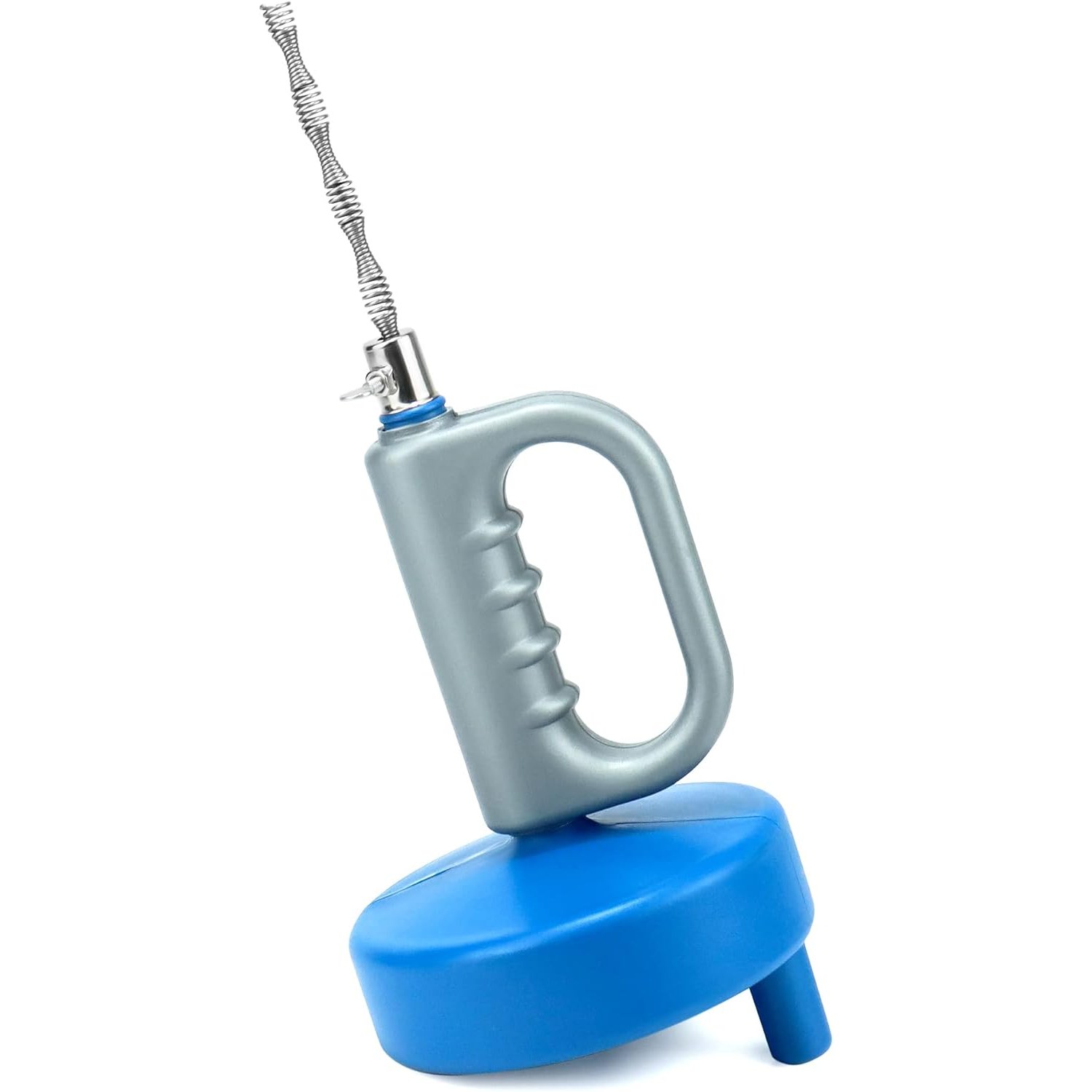
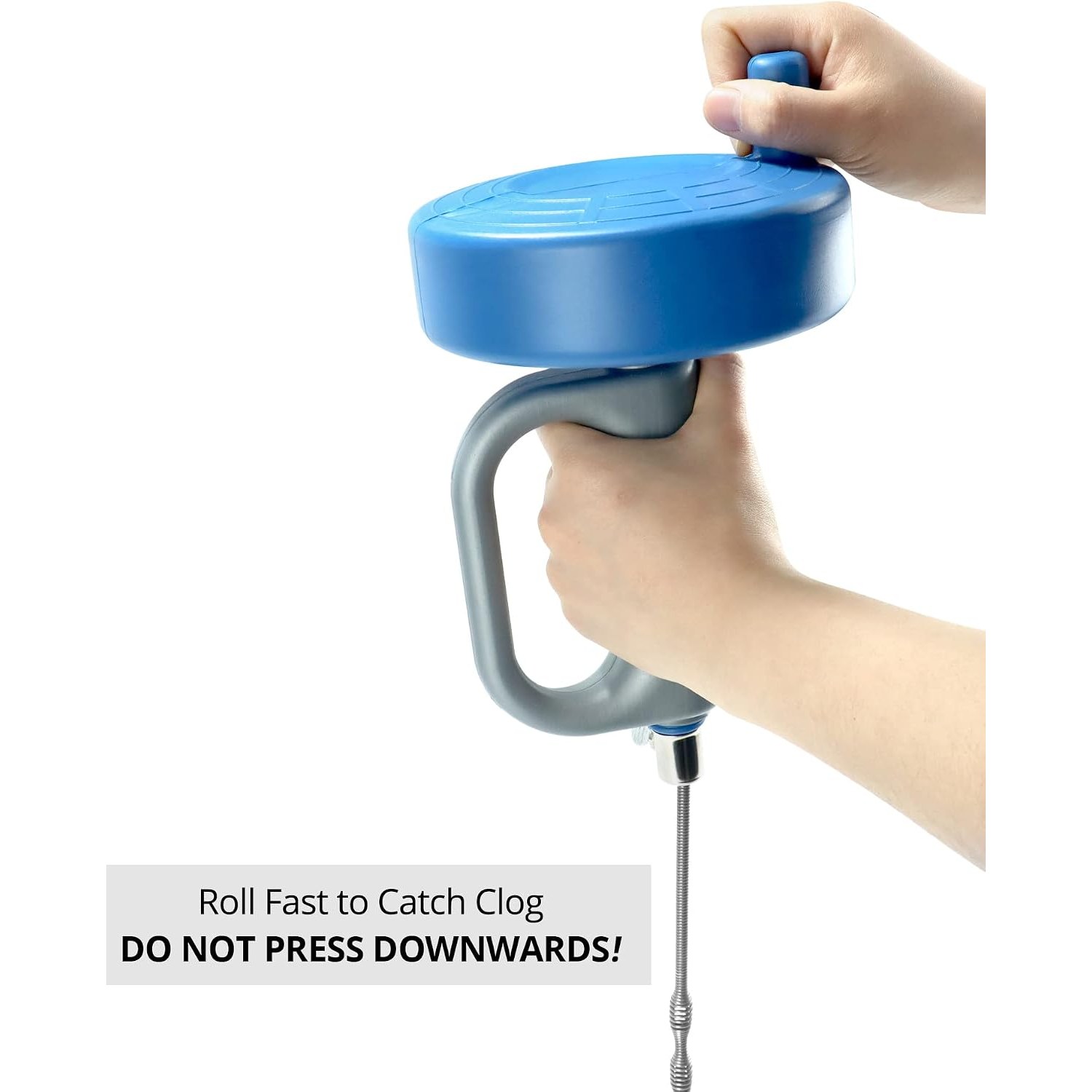
The design is simple and has barely changed in decades. A long flexible steel cable sits coiled inside a drum. On the side of the drum is a crank handle. On the front is a screw that clamps the cable in position.
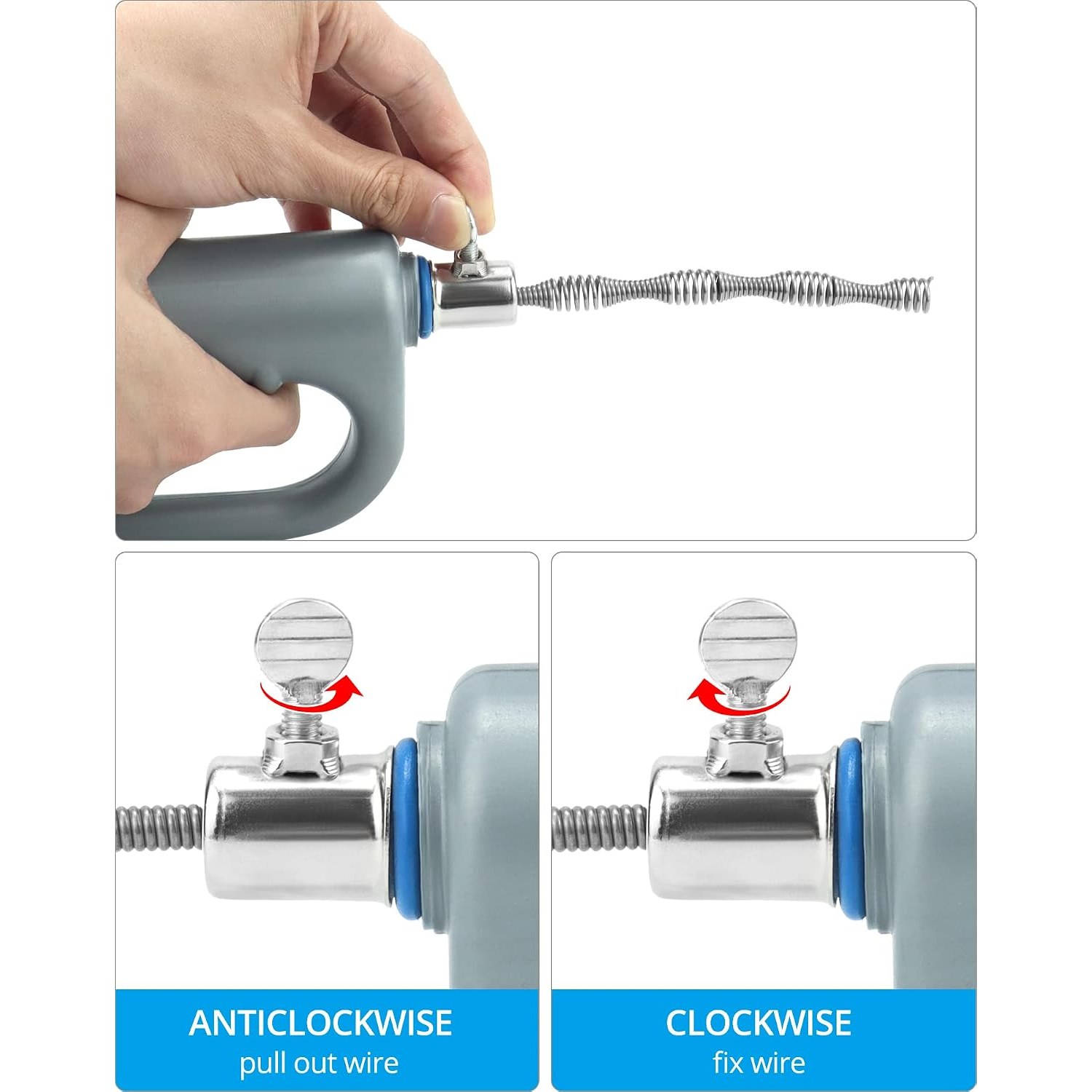
You push the tip of the cable into the drain opening. With the screw loose, the cable slides out of the drum freely, so you keep feeding until the tip meets resistance. That resistance is either a bend in the pipe or your blockage. Then you tighten the screw. Now the cable and drum are locked together, so turning the handle spins the cable along its whole length, right down to the tip.
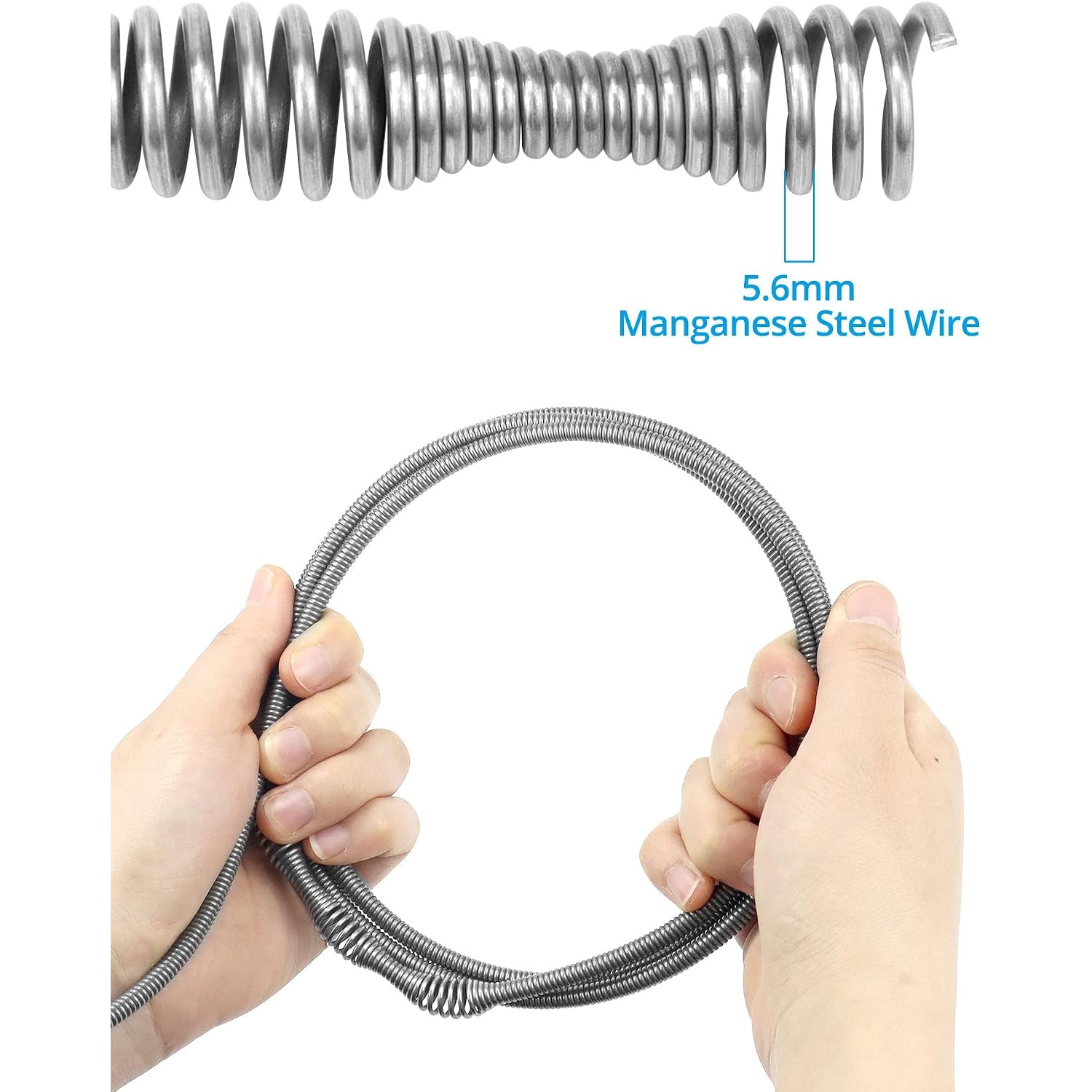
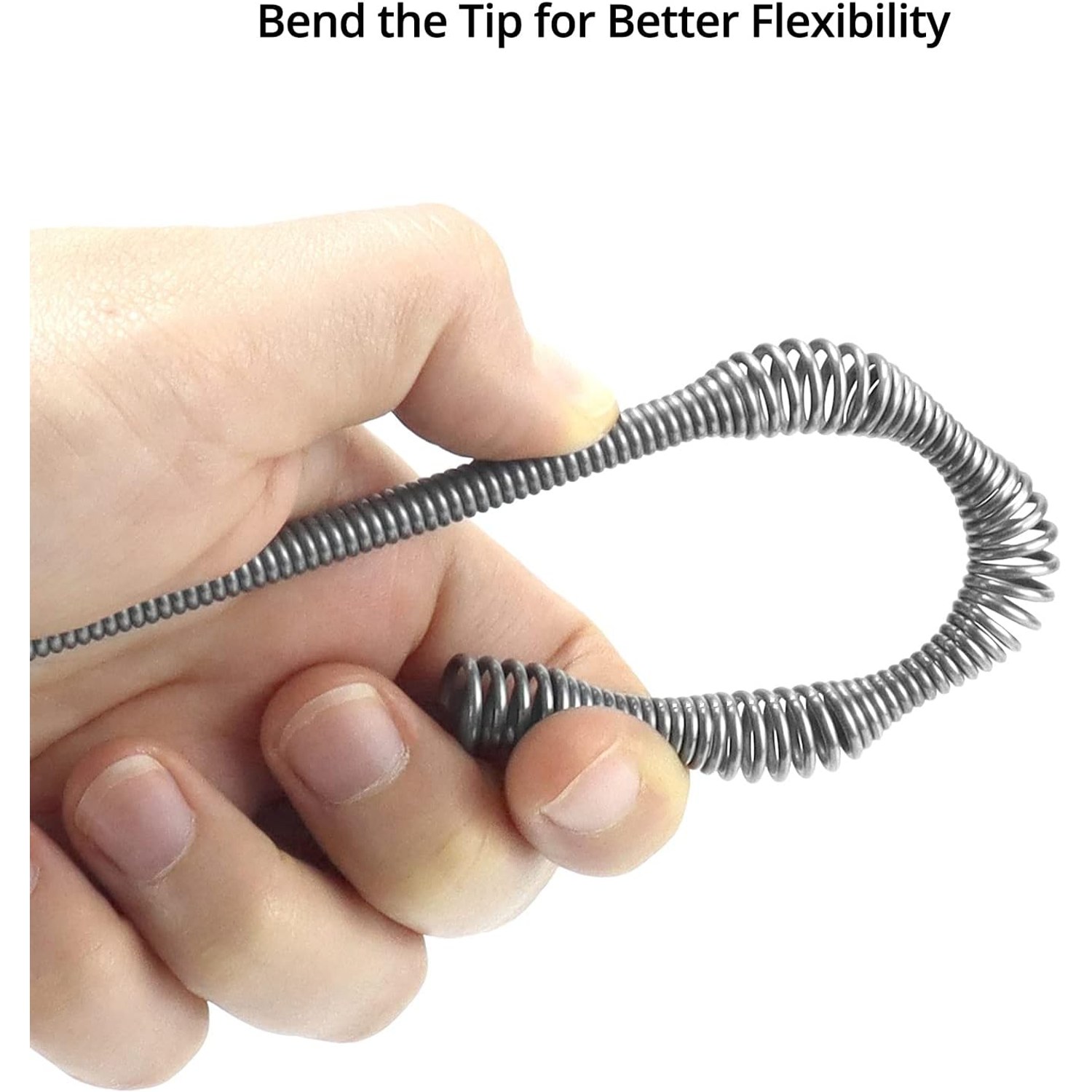
The tip is coiled into a spiral. As it spins against a mass of hair, it threads into it and tangles. Keep cranking a little longer and you will feel the cable bite. Then you reverse the process, loosening the screw to draw cable back and pulling steadily. What comes out is unpleasant but it is the answer.
For harder deposits like soap scale, the spinning tip breaks the crust apart so running water can carry the pieces away. Either way the pipe ends up clear rather than partially bored through.
Why ten metres matters
Short drain rods and the little plastic hooks sold at supermarkets have their place. They will pull hair out of a shower trap if the hair is sitting right at the top. The trouble is that most clogs form a bit further in, past the U-bend, at the first point where the pipe changes direction or joins another run.
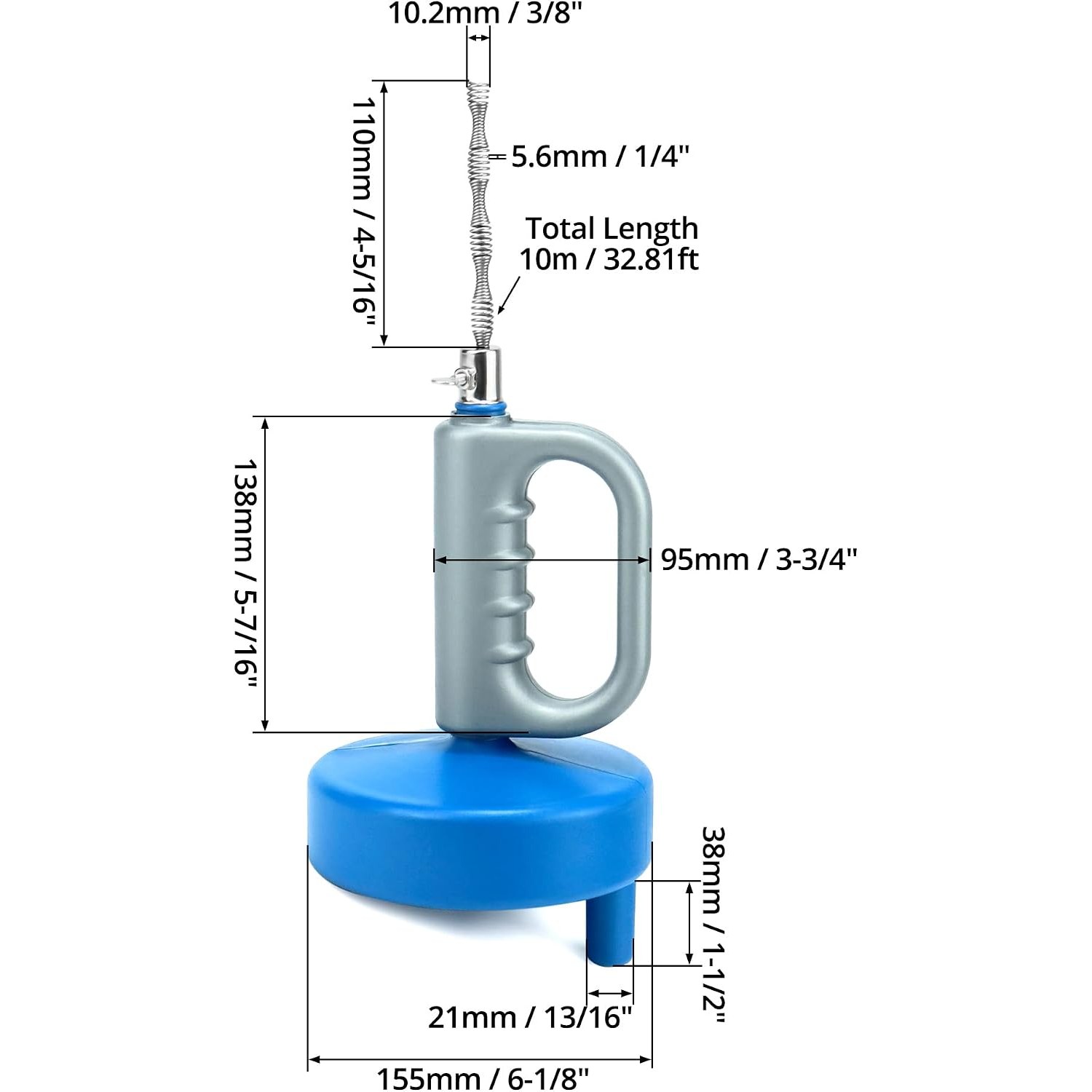
Ten metres covers that comfortably in a normal home. Measure from the basin in your bathroom to the point where the waste pipe leaves the wall and you are usually looking at two or three metres. A kitchen sink feeding into a longer branch run might be four or five. Having ten metres available means you can keep feeding until you find the obstruction, rather than running out of cable and guessing.
There is a second benefit. Cable wears at the tip over years of use. If you start with ten metres, you have room to spare.
Who this suits
Renters get a lot of value from a tool like this. You can clear your own bathroom sink on a Tuesday night instead of logging a maintenance request and waiting a fortnight. It is small enough to move with you and it does not need a workshop.
Homeowners with long hair in the house will use it several times a year, no question. Bathroom basins and shower wastes in a busy household collect hair faster than anyone expects.
It also suits anyone who likes to try the sensible fix first. If an auger does not clear the line, you have learned something useful before you call a plumber, because a blockage that resists a ten metre cable is usually further out in the main line and genuinely needs professional gear.
Where it is less suitable is large diameter sewer pipe, root intrusion, and anything involving collapsed or misaligned pipework. Those jobs need a motorised machine and often a camera.
Choosing between manual and electric
Electric drain machines are faster and they handle tougher material. They are also heavy, expensive, and far less forgiving. A spinning motor does not tell you when the cable has jammed in a tight bend, and in thin plastic waste pipe that can end badly.
A hand crank gives you feedback. You feel when the tip catches, when it is binding against a bend, and when it has broken through. For domestic bathroom and kitchen waste pipes, that feedback is worth more than raw speed. The best manual plumbing auger for a home is one you can use carefully without worrying about what you might break.
Cost is the other side of it. A hand tool like this is a fraction of the price of an electric machine and it needs no maintenance beyond rinsing and drying.
Using it without making a mess
Preparation makes all the difference. Lay an old towel around the base of the basin or over the shower floor, because the cable comes back out wet and dirty along its whole length. Keep a bin bag or bucket within arm's reach so the debris goes straight in. Wear thick gloves.
Work in stages. Feed a metre or so, lock the screw, crank, loosen, feed more. Trying to shove the whole cable in at once just builds a loop in the drum that will not feed properly.
If you hit something that will not budge, do not lean into it. Back off slightly, crank a few more turns, then advance again. Patience beats force here, and force is how cables kink.
When the water starts moving, run hot water down the drain for a minute or two to flush out whatever has broken loose. Then clean up before the smell settles.
Looking after it
Rinse the cable as you wind it back in. Hold a rag loosely around it with a gloved hand so it comes out dry and most of the grime stays in the sink. Then leave the unit somewhere airy for an hour before storing.
Steel and standing water are a bad combination, so the drying step is the one that matters most. A light wipe of machine oil along the cable every few uses keeps it flexible and slows corrosion.
Always tighten the adjusting screw before putting it away. A loose cable will unwind itself in a cupboard and you will find a tangle next time you reach for it.
When to stop and call someone
A few signs mean the problem is bigger than a hand tool. If several fixtures back up at once, the issue is in the main line, not your basin. If water comes back up through a different drain when you run a tap, the same applies. Gurgling from a toilet when the bath empties is another one.
Sewage smells outside, repeated blockages in the same pipe within weeks, or an auger that meets a hard stop at the same distance every time all point to something structural. At that point you have done your part and a plumber with a camera will save you time.
The short version
A manual drain auger 10m long is one of the better small purchases for a home. It costs less than a single call-out, it stores under the sink, and it fixes the most common plumbing annoyance there is.
The WD9582 is a straightforward hand-cranked unit with ten metres of flexible cable, a spiral tip for grabbing hair, and an adjusting screw so you control how much cable is in play. It weighs 1.25 kg and needs no batteries.
Use gloves, work slowly, rinse and dry it afterwards, and it will keep sorting out slow drains for years.