
The complete guide
Clearing Drains And Finding Lost Things, The Buyer's Guide To Grabber Claw Tools
The problem nobody warns you about
A bathroom sink does not block overnight. It gets a little slower every week until one morning you are standing in two inches of water with a razor in your hand, wondering when this happened.
The cause is almost always the same. Hair goes down the plughole, catches on the crossbar or the stopper rod, and starts collecting soap, toothpaste and skin cells. Within a few months there is a grey rope of the stuff sitting in the first few centimetres of the waste. It is right there. You could almost touch it. You just cannot get a hand, a plunger or a bottle brush to it.
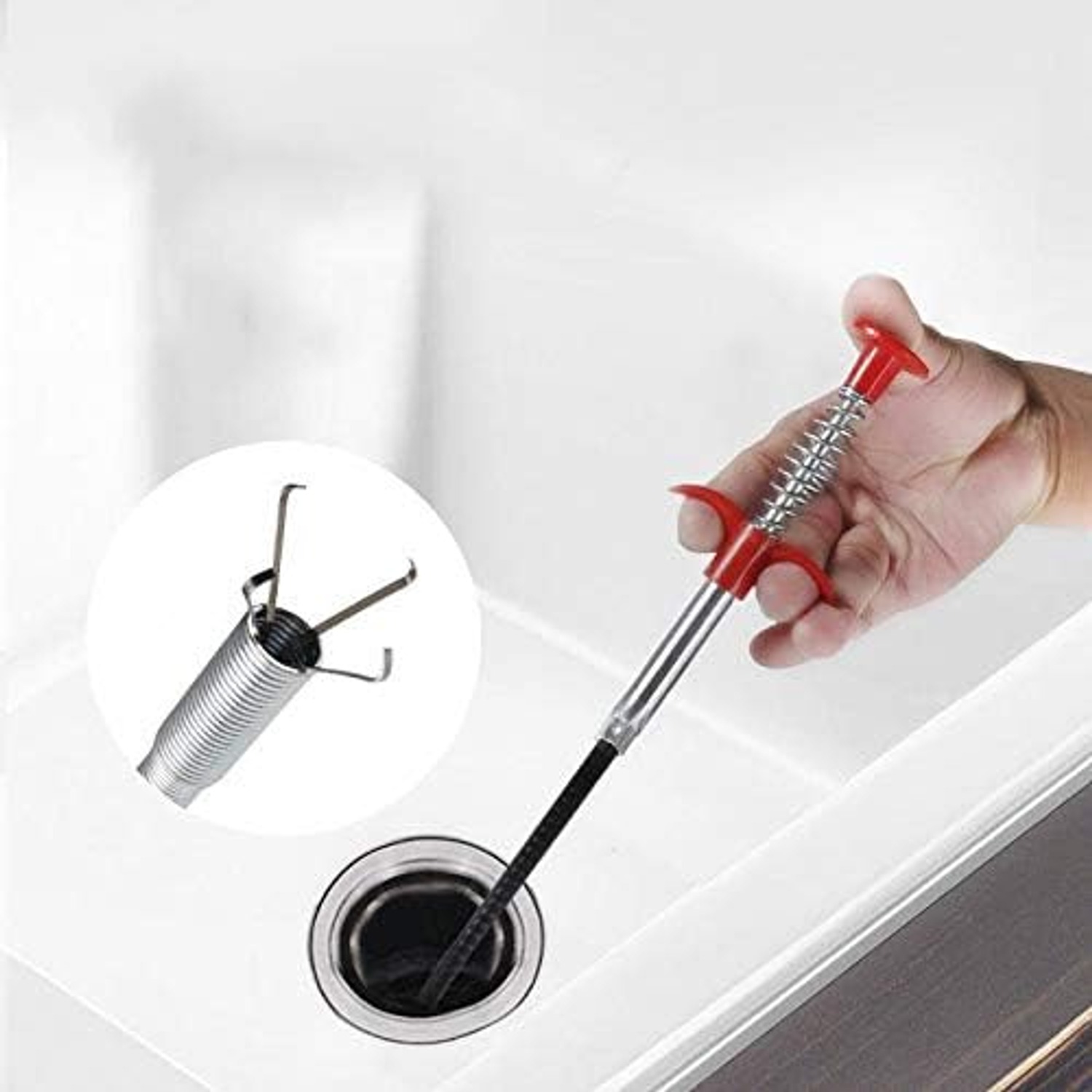
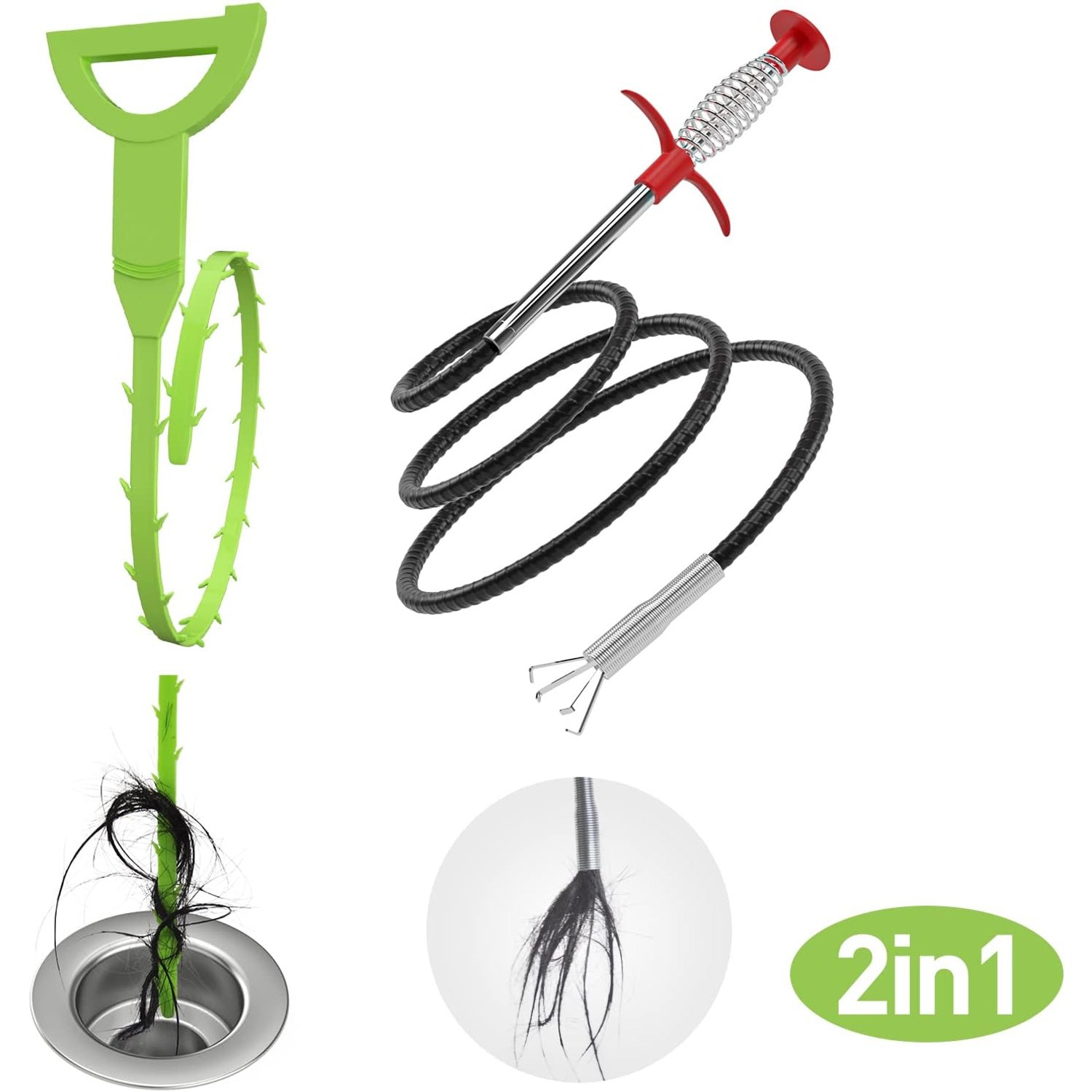
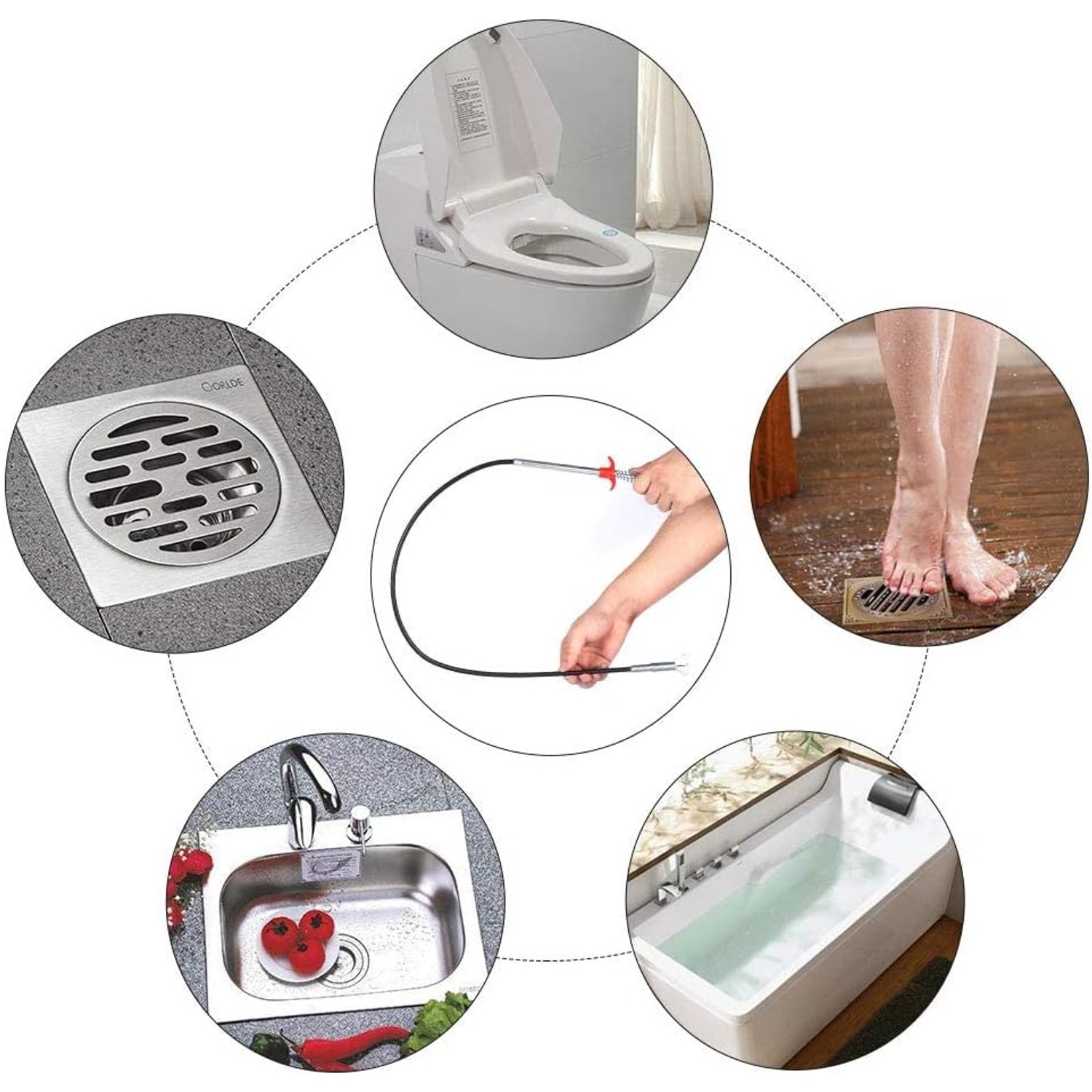
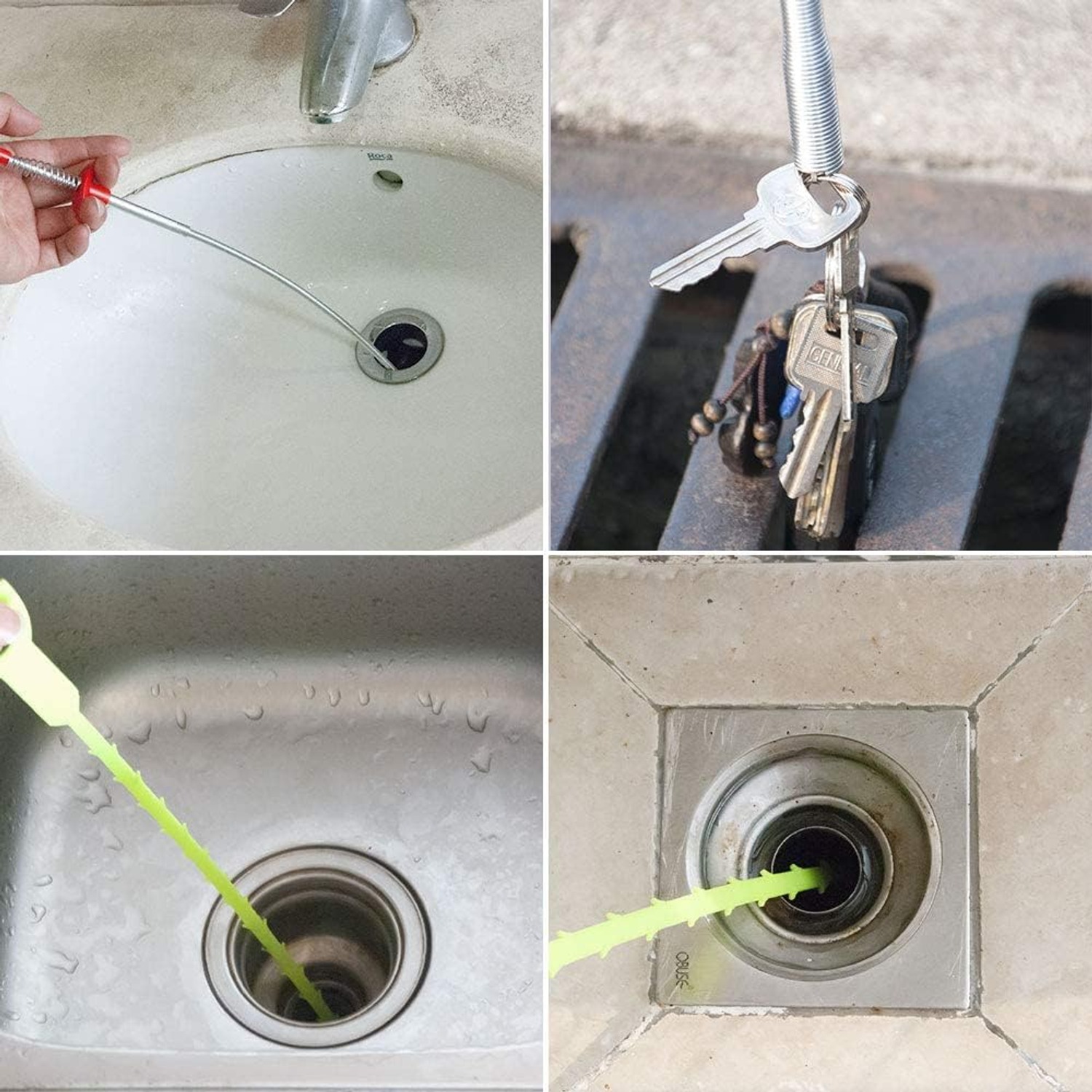
That is the gap a flexible grabber claw tool 90cm long fills. The shaft is thin enough to go through the plughole, long enough to reach the trap, and flexible enough to curve around the bend. At the end, four claws open and close on a squeeze, so instead of pushing the blockage deeper you take hold of it and pull it out.
The second job this tool does is retrieval. A screw rolls off the bench. A ring goes down the drain. A phone charger tip falls into the gap behind a desk. All of those are the same problem in a different shape, and the same tool solves them.
How the tool actually works
There are three parts and no mystery to any of them.
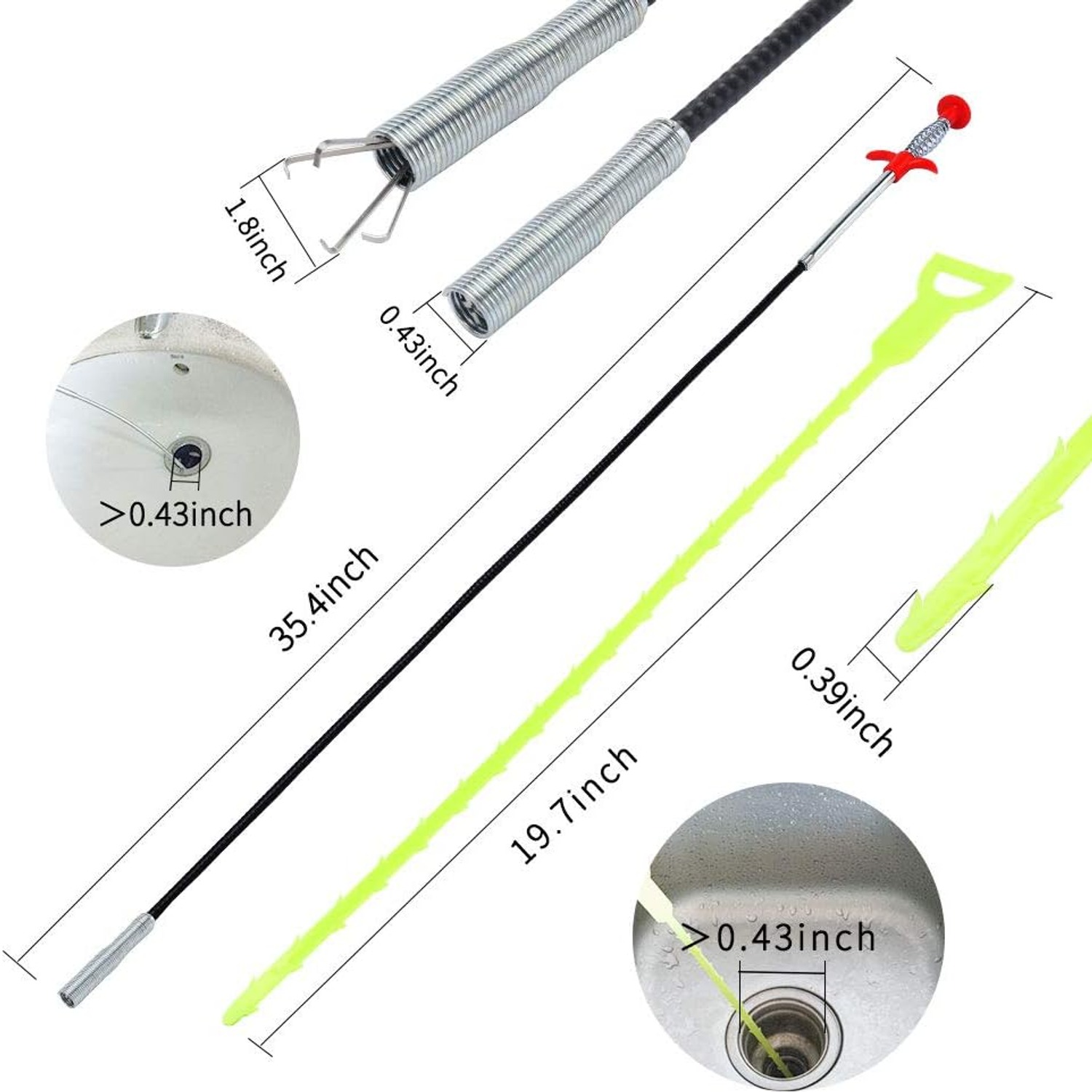
The shaft is stainless steel, 90cm long and 1.09cm across. It bends when you bend it and holds the shape, which matters more than it sounds. A rigid rod cannot follow a P trap. A completely floppy cable cannot be steered. A shaft that bends and stays bent lets you shape it to the job before you feed it in, then nudge it further once it is inside.
At the working end sit four claws. At your end is a plastic handle. Press the handle and the claws spread open. Let go and they close. That is the whole mechanism, which is why there is nothing to charge, nothing to wear out electrically, and nothing to assemble.
Four claws rather than two or three is worth noting. Two claws act like tweezers, which is fine for flat objects and poor for round ones. Four claws close in from four directions, so a nut, a bead or a ball of wet hair gets surrounded rather than pinched. That is what stops things dropping halfway back up the pipe, which is the single most annoying thing that can happen on a retrieval job.
The whole tool weighs 100g. You can hold it steady with one hand for several minutes without your wrist complaining, which leaves the other hand free for a torch.
Who this suits
If you own or rent a home with a bathroom, this earns its keep. Hair blockages are the most common drain problem there is, and this is the most direct fix for them.
It also suits anyone who works with small parts. Mechanics, bike builders, electricians, model makers and anyone who has ever dropped a tiny screw into an engine bay will understand immediately. A magnet only works on ferrous metal. A claw works on anything that fits between the jaws, which makes it a better small parts retriever in most mixed situations.
Parents find uses for it too. Toys, coins and hair clips end up in heating vents, behind radiators and down the side of car seats with remarkable consistency.
Finally, it suits people who would rather not pour chemicals down the pipes. Caustic drain cleaners are hard on older pipework, hard on the environment and sometimes hard on skin. Mechanical removal has none of those downsides.
Choosing the right tool for the job
Length is the first thing to check. Ninety centimetres covers a basin, a bath, a shower and most kitchen sinks down to the trap and a little beyond. If your problem is further along the waste pipe, this will not reach it and you want a proper drain machine instead. Knowing which situation you are in saves a lot of frustration.
Diameter is the second. At 1.09cm, this fits through the gaps in most shower grilles and through most plugholes without removing anything. If your drain cover has very fine slots, measure them first. The best shower drain cleaning tool is the one that actually fits your drain.
Then there is the grip style. Claw tools, magnetic pick up tools and hooked snakes all do related jobs. A hooked plastic snake is cheap and good at dragging hair out, but it cannot hold an object, and it is disposable. A magnet is brilliant for steel screws and useless for a plastic cap or a hair clump. A four claw grabber covers both situations, which is why it tends to be the one that stays in the drawer long term.
Last, think about where it lives. A tool you cannot find when you need it is no tool at all. This one is light and thin enough to hang on a hook in a utility cupboard, slide into a toolbox or coil loosely into a kitchen drawer.
Using it well
Work slowly. Most of the mistakes people make come from rushing.
Start by putting something down. An old towel or a bin bag beside the sink stops the mess spreading. What you pull out of a bathroom drain is not pretty.
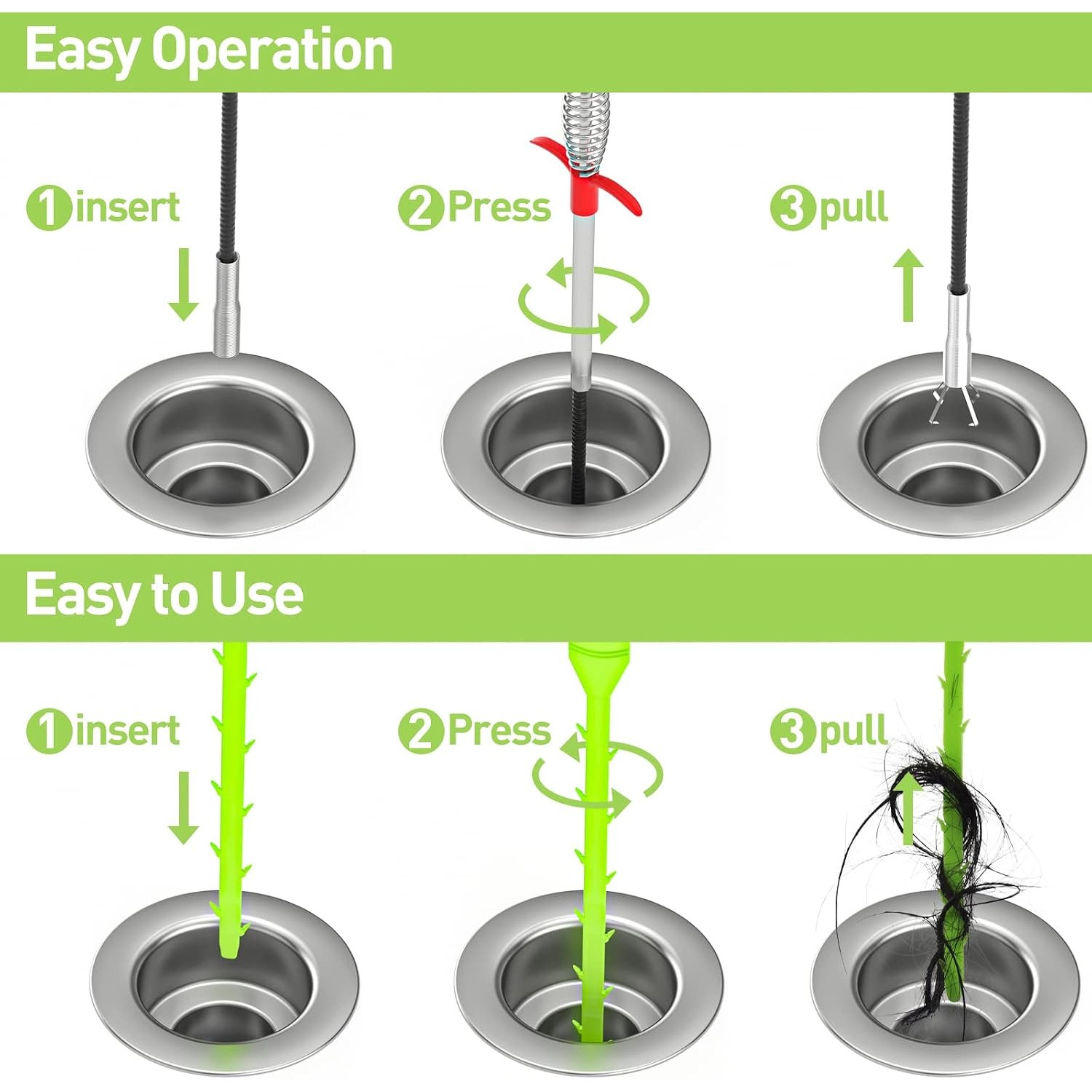
Feed the shaft in with the claws closed. When you hit resistance, that is usually the crossbar or the first bend. Rotate the tool slightly and ease past rather than shoving. Once you are into the clog area, press the handle to open the claws, push forward a centimetre or two, then release to close.
Pull back steadily. If the grip slips, you will feel it, and you simply go again. Three or four passes will usually clear a hair blockage completely. Running hot water afterwards flushes out the soap film that was holding it all together.
For retrieval in a dry space, a torch changes everything. Looking at what you are doing is worth far more than feeling your way. Where you cannot see, go by touch, open the claws past the object, then close and lift straight rather than at an angle.
Gloves are sensible for drain work. So is washing your hands properly afterwards, regardless of gloves.
Looking after it
Steel and standing water are not friends. The care routine is short.
Rinse the claw end and the part of the shaft that went into the drain under warm water. Add a drop of dish soap if the job was particularly grim. Work the handle a few times under the running water so the claw joints flush out.
Dry it properly. A tea towel over the shaft and a shake out of the claw head is enough. Then store it somewhere dry.
Straighten the shaft before putting it away. Leaving a sharp kink in one place is what eventually causes a flexible shaft to fail, and a few seconds of straightening avoids that entirely.
Before the next job, squeeze the handle a couple of times to check the claws still open and close freely. If the action feels sticky, a rinse usually fixes it.
The short version
Hair clogs sit close to the plughole, and the fastest way to deal with them is to pull them out. This 90cm flexible claw tool is thin enough to get in, bendy enough to follow the pipe, and fitted with four claws that actually hold what they grab.
It doubles as a retrieval tool for screws, rings, caps and anything else that falls into a gap, including the non-metal items a magnet cannot help with. It weighs 100g, needs no batteries, and takes about two minutes to learn.
If your blockage is deep in the main line, you need bigger equipment. For everything within arm's reach plus a bit, this is the tool that saves you dismantling the trap.