
The complete guide
How to Choose and Use a Mini Sink Plunger
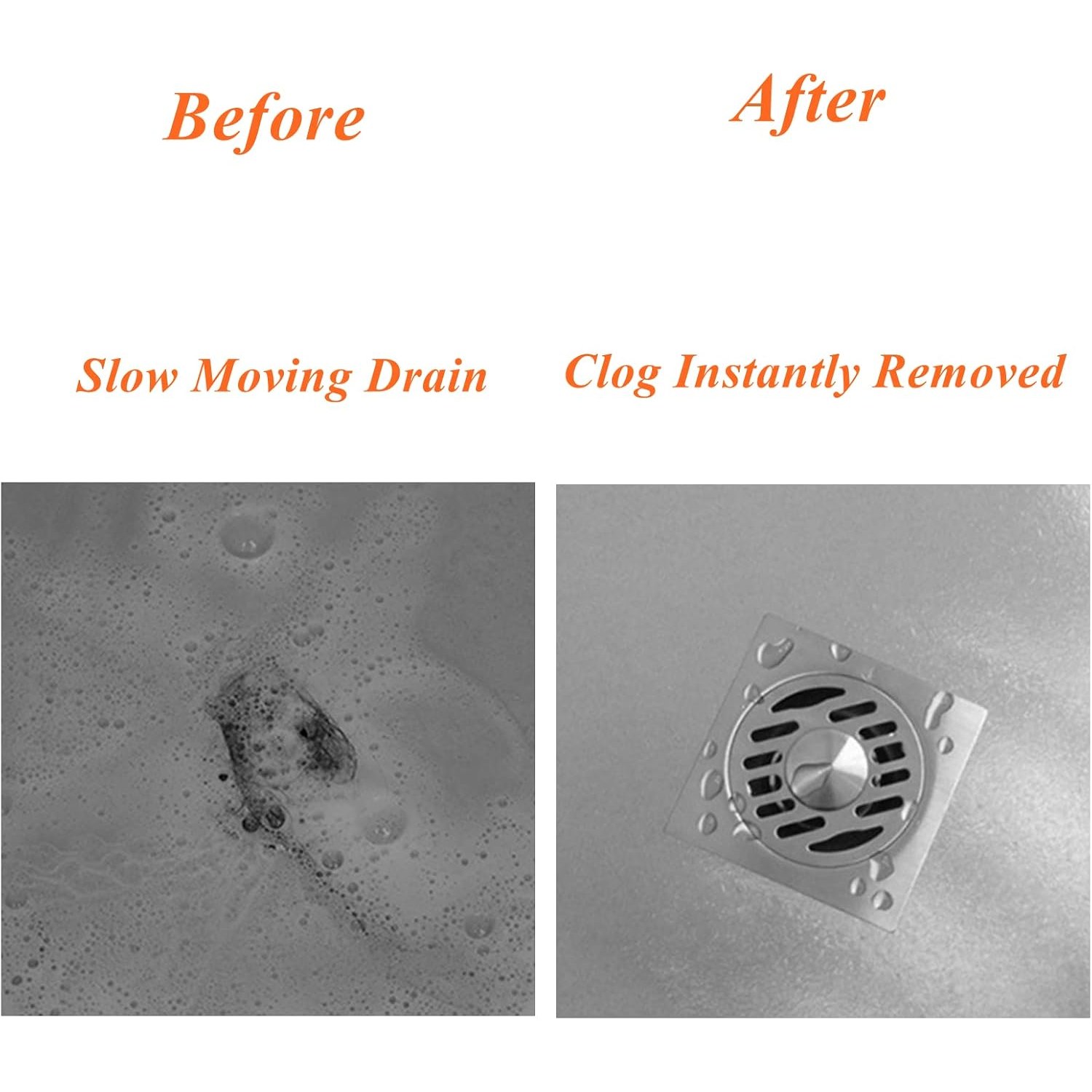
The sink that drains like it is thinking about it
You notice it slowly. The washing-up water sits for a second before it goes. Then five seconds. Then you come back from making a cup of tea and there is still a puddle of grey water with a film on top. By the time it stops draining completely, the clog has been building for weeks.
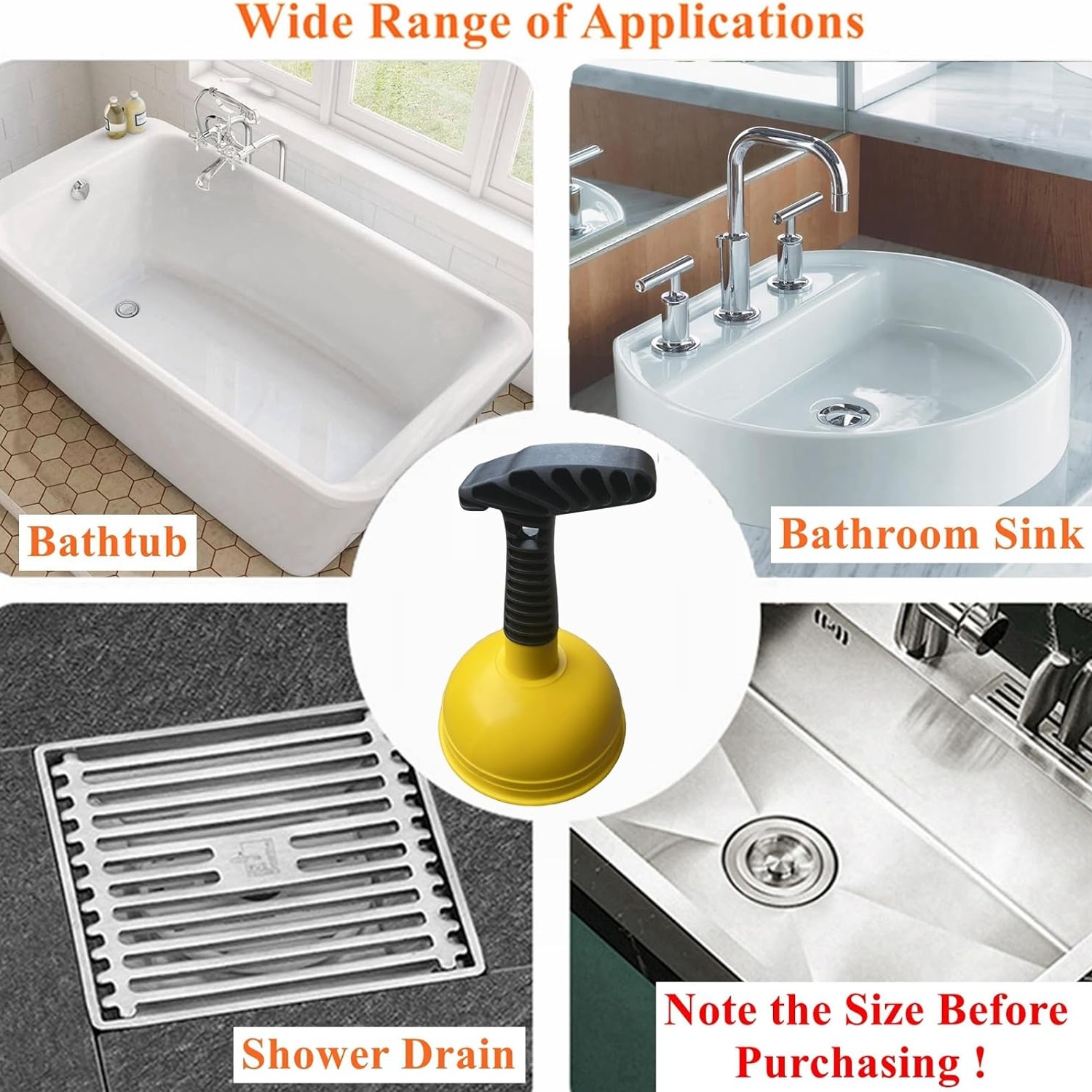
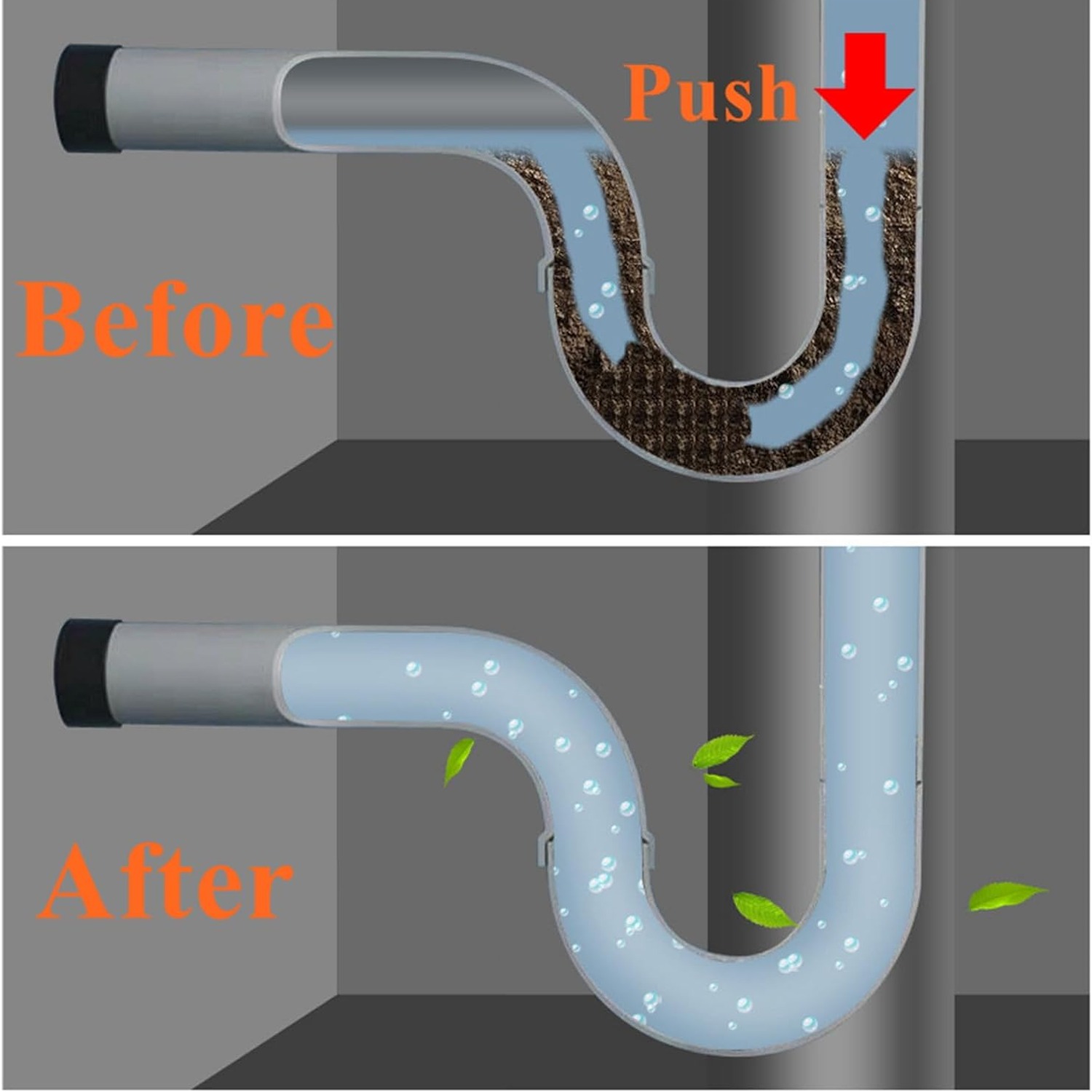
Kitchen sinks block for predictable reasons. Fat and oil cool on the way down and stick to the pipe wall. Coffee grounds, rice and tea leaves slip through the strainer and settle in the bend. Each layer narrows the pipe a little more until the water cannot get past. Shower and bath drains work the same way, except the culprit is hair bound together with soap scum.
Most of these clogs sit within the first half metre of pipe, which is good news. Pressure applied correctly at the drain will usually shift them. The tool you need is a plunger that actually fits the space you are working in.
Why a mini plunger and not the one from the bathroom
Here is the thing that catches people out. The plunger behind the toilet is the wrong shape for a sink. It usually has a flange, a soft rubber sleeve that folds out of the cup to fit the curved opening of a toilet pan. On a flat sink base that flange gets in the way and breaks the seal. And the handle, often 45 cm or longer, simply will not fit under a kitchen mixer tap. You end up tilting it at an angle, which sends your force sideways instead of down the drain.
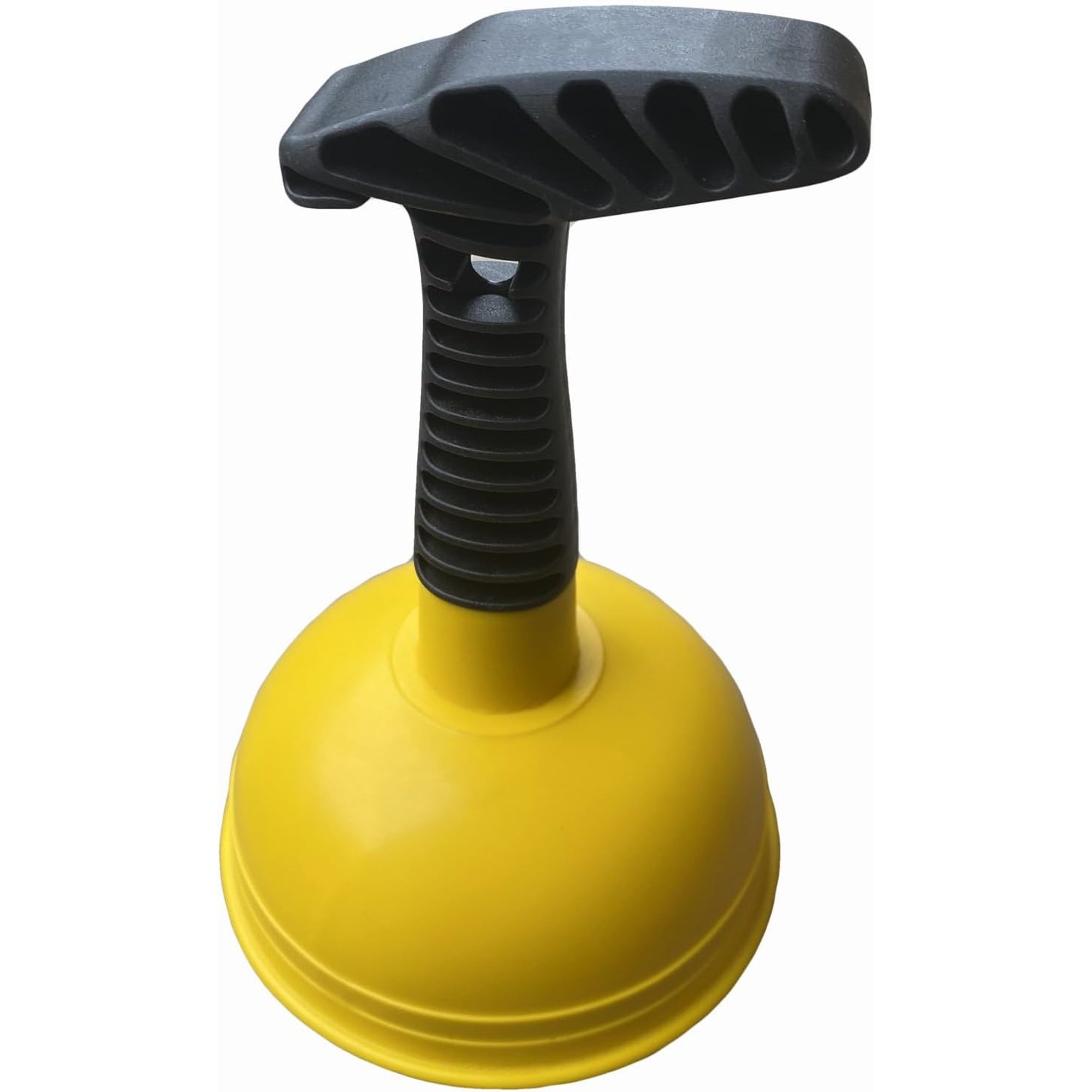
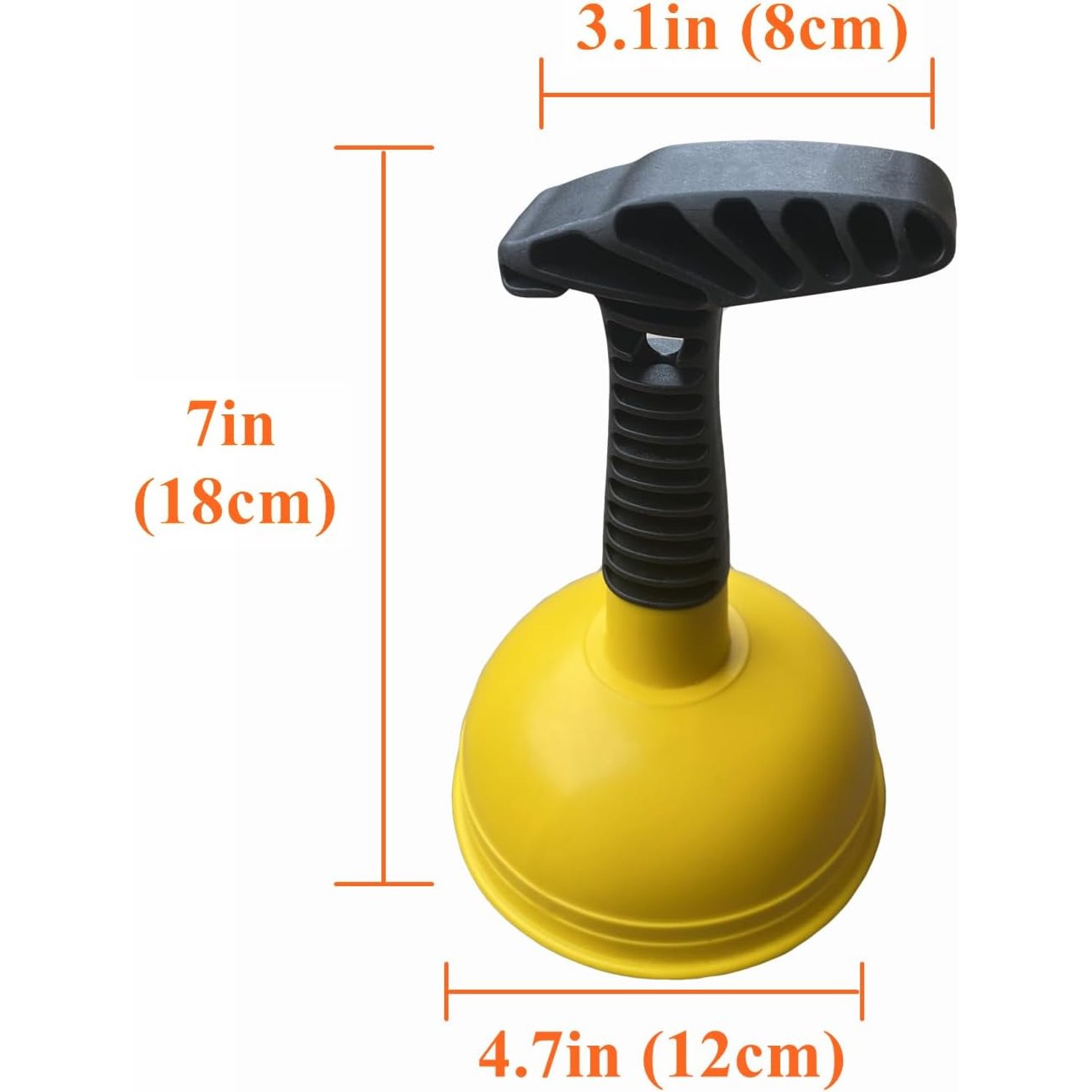
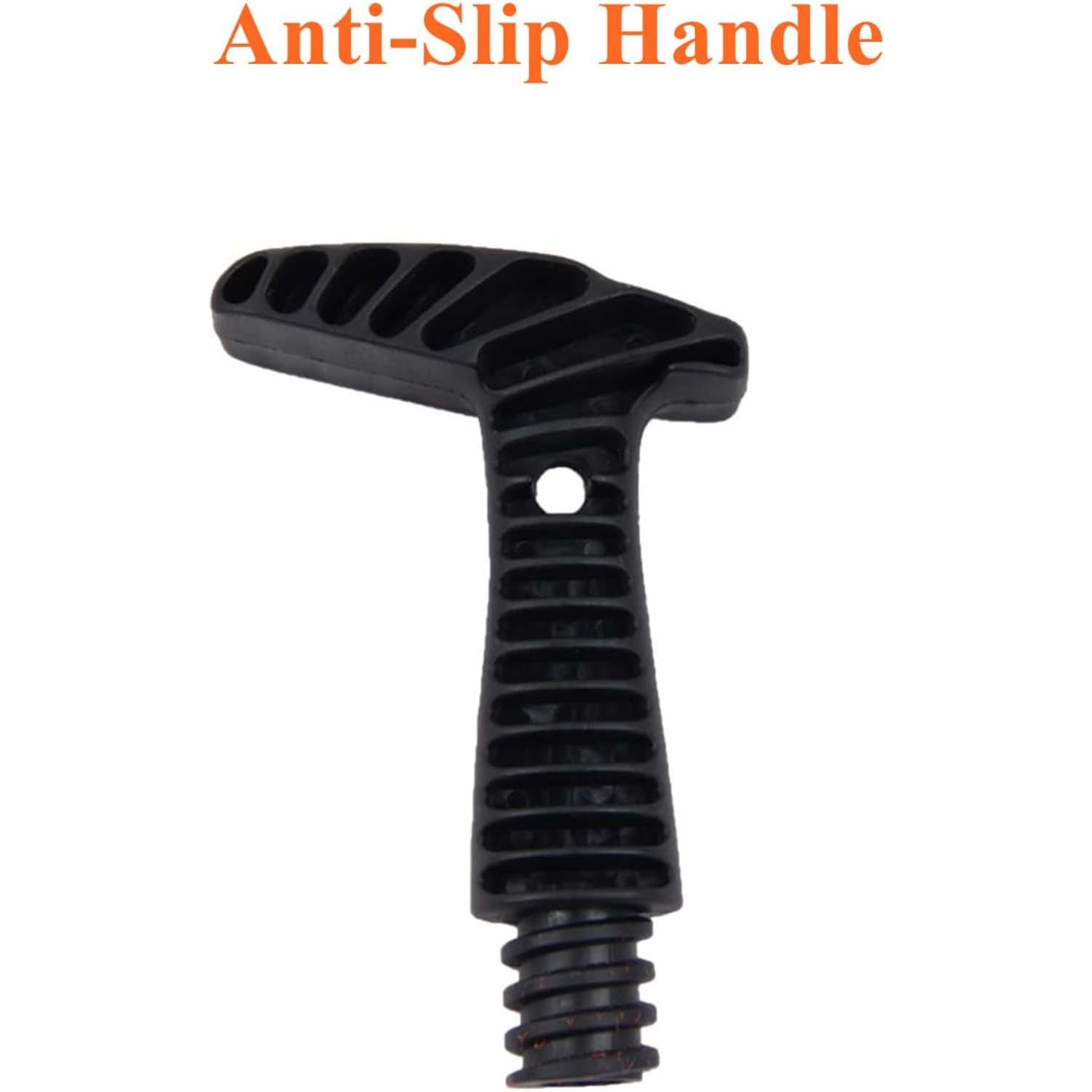
A mini sink plunger fixes both problems. The cup sits flat, so the rim meets the sink base evenly all the way round. The short handle gives you room to work under the spout and keeps your push vertical. You also get better control. With your hand close to the cup, you can feel the moment the seal breaks and reseat it immediately.
There is a hygiene argument too. Nobody wants the toilet plunger in the kitchen sink. Keeping a dedicated small plunger for the sink and shower is a cheap way to avoid that entirely.
How the cup does the work
The cup is the whole mechanism. When you press down, it squeezes the air and water inside and pushes that pressure into the pipe. When you pull up, it creates suction that tugs the clog back toward you. The push and pull together loosen a soft blockage until the water pressure behind it can carry it away.
None of that happens without a seal. If air leaks around the rim, the pressure vents into the room rather than the pipe, and you get a lot of splashing with no result. That is why the flexibility of the cup matters. This plunger uses TPR, a rubber-like material that stays soft. A soft rim folds down against a flat sink base and hugs the raised edge of a strainer. A hard, aged rubber cup only makes contact at a few points and leaks everywhere else.
Water helps the seal too. Run enough into the sink to cover the cup completely, two to three centimetres is usually plenty. Water does not compress, so every bit of your push travels straight down the pipe. Plunging into an empty sink mostly moves air around.
Who this suits
Anyone who cooks regularly and washes up in a sink will find a use for it. Anyone with long hair in the house will find a use for it in the shower. It is a good fit for small kitchens where the tap sits low over the bowl and a full-size plunger is simply unusable.
It also suits people who would rather not pour chemicals down the drain. Caustic cleaners can damage older pipes and seals, they sit in the trap if they do not clear the clog, and they make the job genuinely hazardous for whoever comes next. A plunger is mechanical. Nothing is left behind afterward.
Renters, students and anyone in a first apartment tend to appreciate having one before they need it. The best plunger for kitchen sink problems is the one already in the cupboard at 10pm on a Sunday.
Getting a good result
Start by clearing the sink of dishes and anything that might float away. If there is standing dirty water, that is fine, you can plunge straight into it.
Find the overflow. Most bathroom basins and baths have one, a small slot or round plate near the rim. It connects back into the same waste pipe, so if it is open your pressure escapes through it. Press a damp cloth firmly over it and hold it there, or get someone to hold it while you plunge. This single step makes the biggest difference of anything in this guide.
Place the cup squarely over the drain and press down gently first to push out trapped air and set the seal. Then work in a steady rhythm, pushing and pulling without lifting the cup off the surface. Fifteen to twenty strokes, then lift and look. If the water level drops at all, you are winning. Reset and go again.
If you have a double sink, block the other drain first with a stopper or a cloth held down hard. Otherwise the pressure just shoots across and up the second bowl.
Patience beats force. Three or four rounds of steady plunging will shift things that one violent shove will not.
When to stop and call someone
If you have plunged several full rounds with no change whatsoever, the clog is probably not where you think it is. If more than one fixture is backing up at the same time, if water comes up in the shower when you run the kitchen sink, or if there is a smell of sewage, the problem is further down the line and you need a plumber. The same goes if you suspect a solid object has gone down the drain.
Knowing when a tool has reached its limit is part of using it well. A plunger handles soft, local blockages. It is not a drain machine.
Looking after it
Rinse the cup under running water as soon as you are done, working your fingers around the inside to flush out anything caught there. A squirt of dish soap is fine after a greasy kitchen job. Shake the water off and wipe it with a cloth.
Store it handle-up in a small bucket, tray or caddy under the sink. That keeps drips contained and stops the cup getting squashed out of shape under other things. Keep it away from radiators, direct sun and strong solvents, as heat and chemicals are what harden rubber over time.
Do that and it will sit there for years, costing nothing, waiting for the evening you need it.
The short version
A slow sink is almost always a soft clog sitting close to the drain, and pressure usually clears it. The tool for that job is a short-handled plunger with a flexible cup that fits in the space under your tap, not a long-handled toilet plunger borrowed from the bathroom.
Cover the cup with water, block the overflow with a damp cloth, seal the rim properly and plunge in a steady rhythm for fifteen or twenty strokes at a time. Rinse it, dry it, store it handle-up. If several fixtures back up at once or nothing moves after a few honest attempts, stop and call a plumber.
It is a small, cheap, unglamorous thing to own. The first time it saves you a call-out fee, it has paid for itself several times over.