
The complete guide
How to Extend a Washing Machine or Dishwasher Drain Hose Without Causing Yourself Problems
The problem nobody mentions until the machine is already in the room
Appliance makers fit a drain hose that is long enough for a standard, tidy, textbook installation. Your laundry is probably not standard, tidy or textbook. The standpipe is on the wrong wall, the sink is a metre further along than it should be, or you have just slid the washer into a gap under a bench where the drain point sits well behind the machine.
So you pull the machine out, stretch the hose, and find it falls short by 40 cm. Or it just reaches, which is worse, because now the hose is under tension and it is going to pull itself off the standpipe one day while you are out.
An extendible drain hose set solves that without any plumbing work. You join extra hose to the one already on the machine, using a connector and clamps, and you get the length you need.
What this set actually gives you
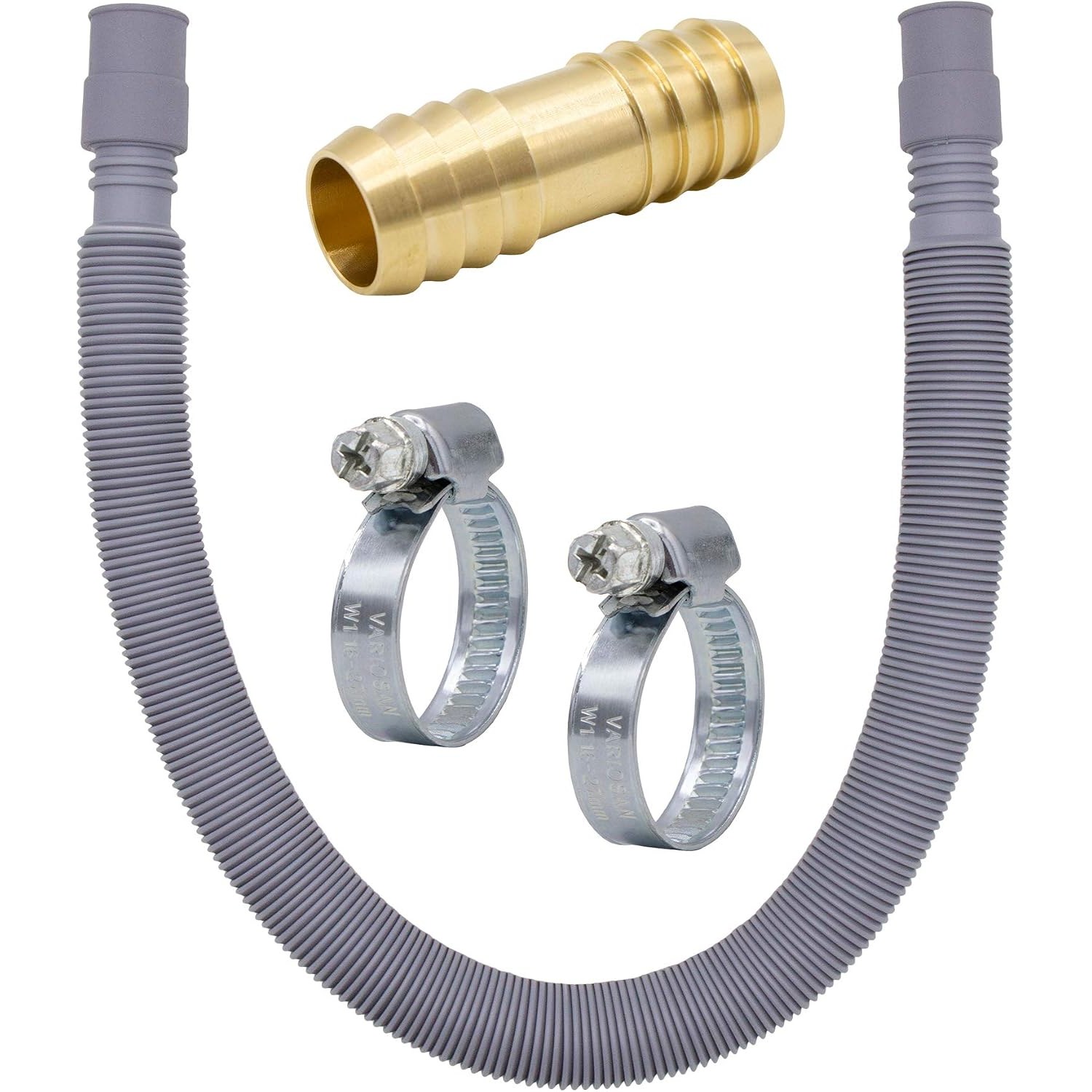
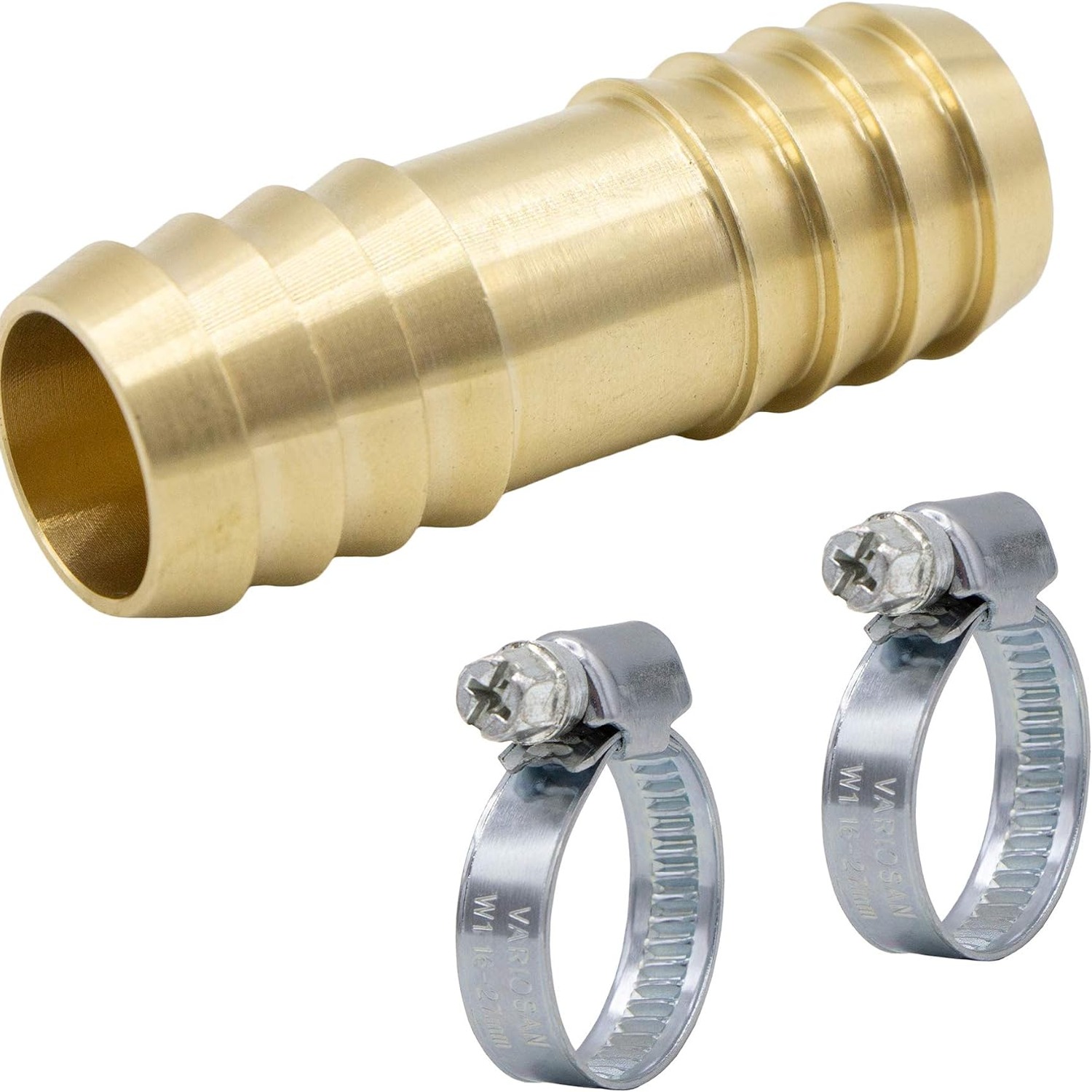
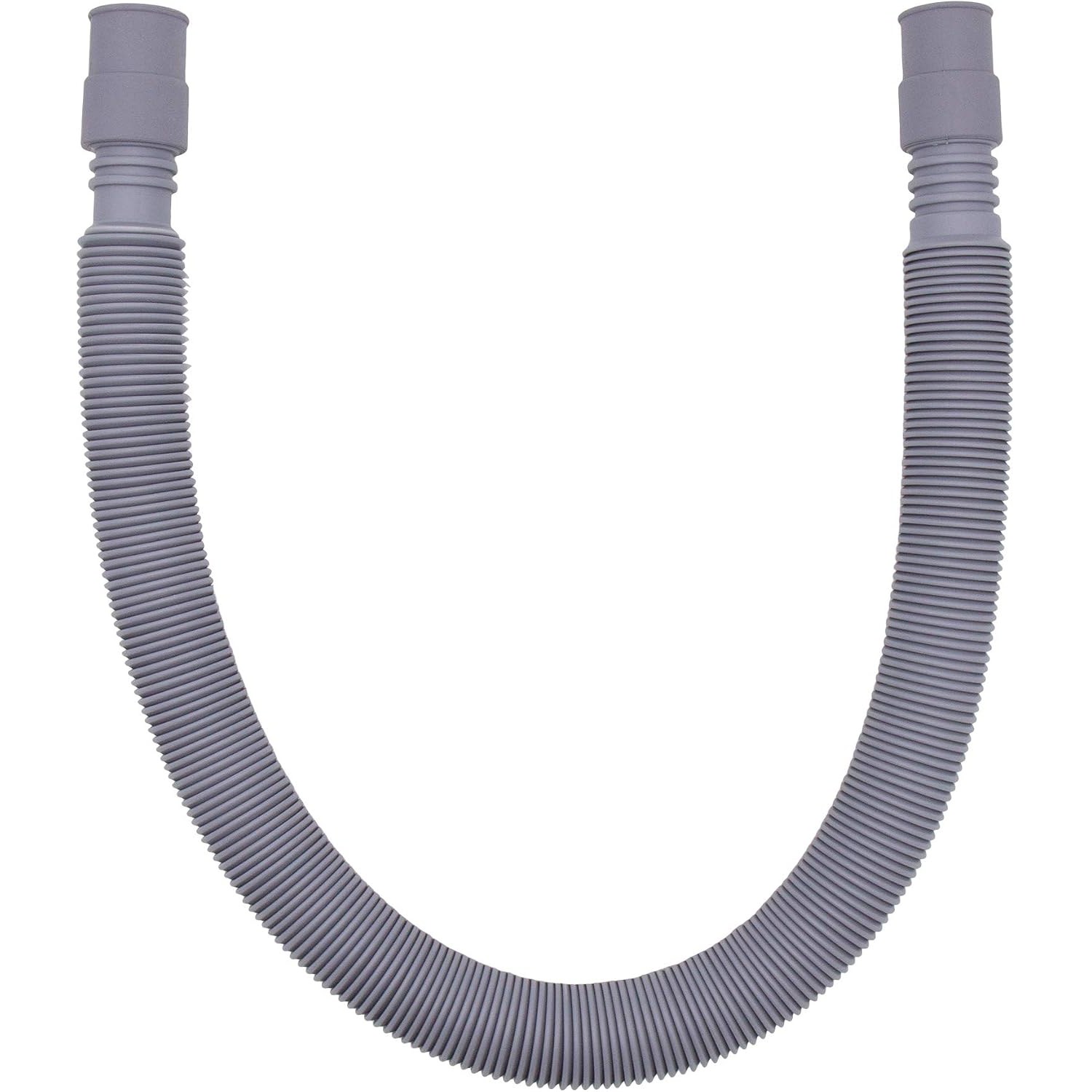
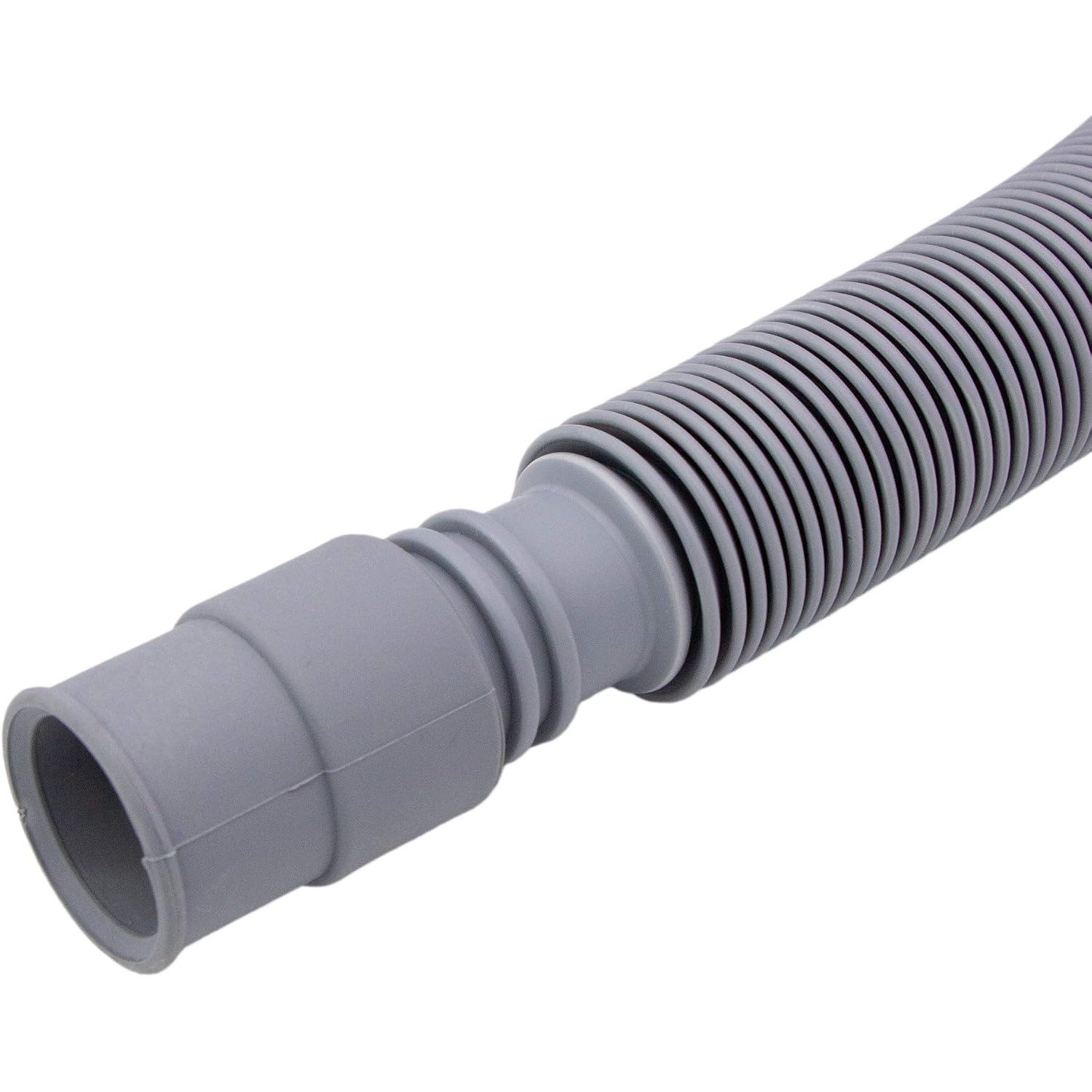
The box contains three things. There is the drain hose, which extends from 60 cm out to 200 cm. There is a hose connector made of brass. And there are two hose clamps, one for each side of that connector.
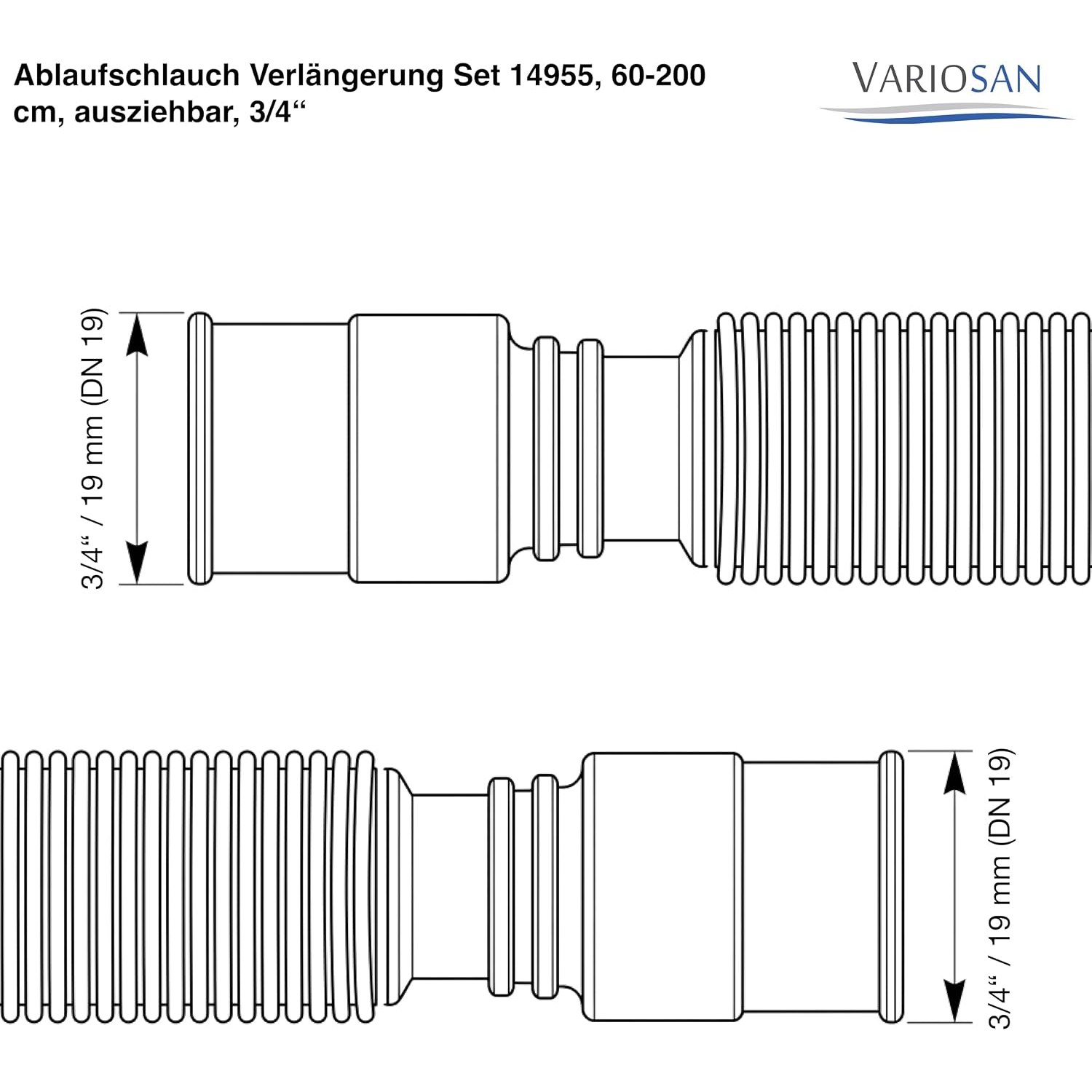
The connections are straight to straight in 3/4 inch, which you may also see written as DN 19. That is the common size on standard domestic washing machines and dishwashers. The maximum temperature rating is 95°C and the maximum pressure rating is 10 bar. Nominal wall thickness is 1.5 mm, and the complete set weighs 180 g.
The brass connector is the part worth noticing. A lot of cheap joins rely on a thin moulded plastic barb that flexes when you tighten a clamp on it. Metal does not flex in the same way, so the clamp pulls the hose down onto a rigid surface and the seal holds better over time.
How the extension works
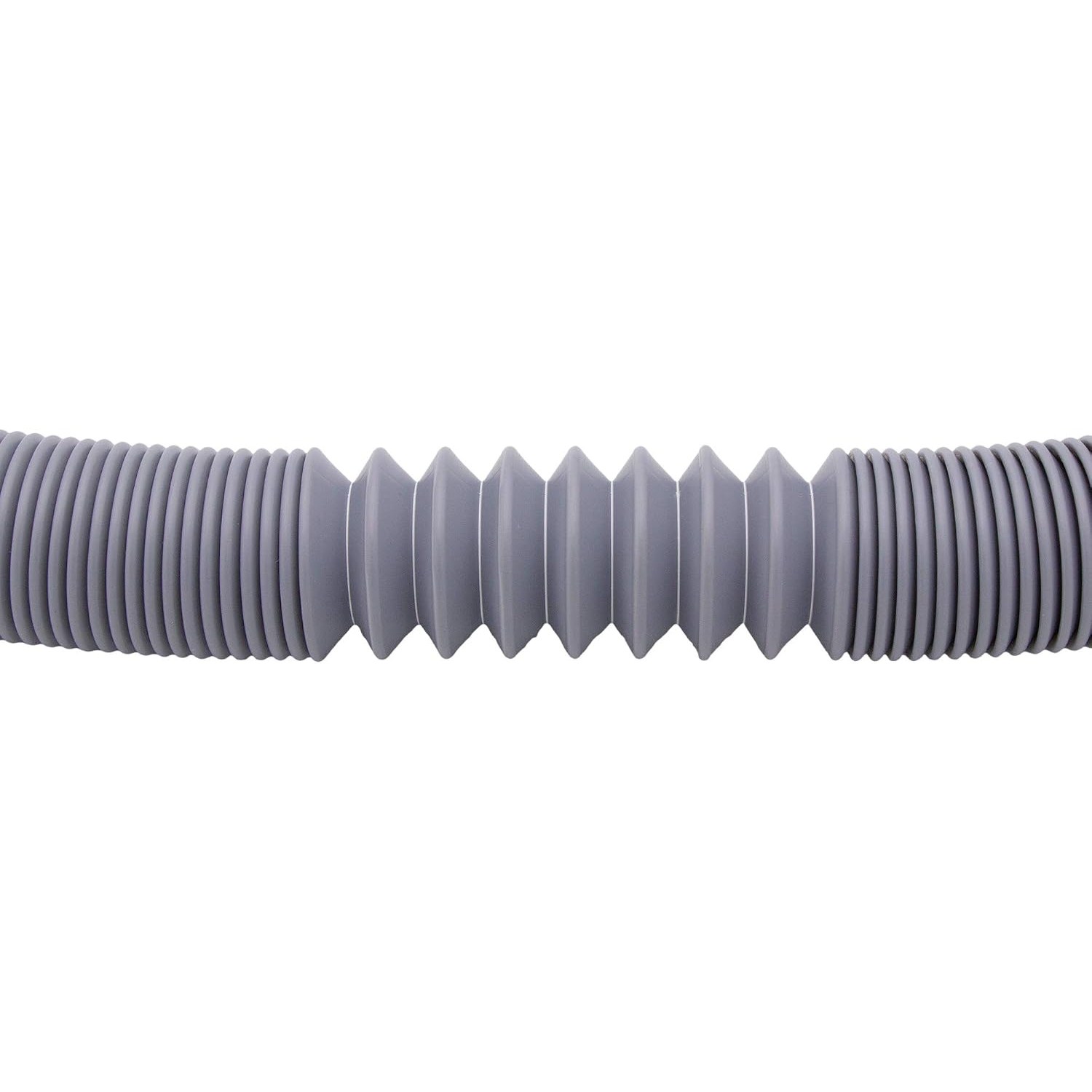
The hose is designed to pull out rather than sit at one fixed length. Compressed, it is around 60 cm. Pulled to full stretch, it is 200 cm.
That matters more than it sounds. If you only need an extra half metre, you do not want a fixed two metre hose coiled on the floor behind the machine collecting dust and lint. Spare hose loops are also a nuisance because they trap water, and standing water in a waste line starts to smell after a while.
Pull out only the length you need and the run stays reasonably direct. A shorter, straighter path gives the drain pump less work to do, and the water clears faster at the end of a cycle.
Checking the fit before you order
This is the step people skip. Take two minutes on it.
Pull your machine forward enough to see the end of the existing drain hose. The connection you want is 3/4 inch, roughly 19 mm outside diameter at the business end. Most standard washing machines and dishwashers in many markets use this size.
If your machine uses something different, and some North American models do, this set will not connect properly. A tape measure or even a ruler held against the hose end tells you what you need to know. If you are unsure, send us the measurement and we will tell you whether it matches.
Also check your appliance manual for a maximum drain hose length and maximum drain height. Manufacturers set those limits based on what the pump can handle. Staying inside them is the single best thing you can do to avoid drainage complaints later.
Fitting it, step by step
Switch the machine off at the wall first. Pull it out far enough to work behind it comfortably, and put a towel down, because there is almost always a little water left in the hose.
Slide one hose clamp onto the end of your existing drain hose and the other onto the end of the new hose. Do this before you connect anything. Forgetting the clamps and having to pull the whole join apart is a very common five minute waste of time.
Push both hose ends firmly onto the brass connector. They should go on far enough to cover the barbed section fully. If the hose is stiff, dipping the end in warm water for a few seconds softens it enough to slide on.
Now slide each clamp along so it sits over the barbed part of the connector, not past the end of it, and tighten evenly with a screwdriver. Firm is enough. Cranking a clamp down with all your strength can cut into the hose wall.
Route the hose to the drain point, keeping bends gentle. Secure it so it cannot slip out of the standpipe or off the sink edge. Then run a short cycle and watch the join for a minute or two before you push the machine back into place.
Who this suits
Anyone moving a machine to a new spot. Anyone fitting out a laundry where the drain point and the appliance position do not line up. Anyone who has just bought a second-hand machine and found the hose has been trimmed short by the previous owner.
It also suits renters, because nothing here is permanent. You join a hose, you use it, and when you move you unclamp it and take it with you. No pipework is altered.
It is less suitable if your machine uses a non-standard fitting, or if you need a pressurised fill hose rather than a waste hose. Those are different products with different ratings, and swapping one for the other is not a shortcut worth taking.
Looking after it
A drain hose asks very little. Keep it free of tight kinks, since a sharp fold eventually cracks and also slows drainage in the meantime. Give the clamped join a look after the first few cycles, then occasionally after that, and re-tighten if a clamp has worked loose.
If the machine sits unused for a long stretch, flush clean water through before you rely on it again. Wipe the outside with a damp cloth when you are cleaning behind the appliance. If the hose ever goes stiff, discoloured or shows cracking at a bend, replace it rather than nursing it along. A failed waste hose makes a mess at the least convenient moment.
Common mistakes to avoid
Running the hose too high is the big one. Appliance pumps have a lift limit, usually given in the manual. Exceed it and the machine struggles to drain or throws an error code.
Letting the hose sit too deep in a standpipe is another. If the end is submerged in waste water, you can get siphoning, where the machine quietly drains while it is trying to fill. Follow the insertion depth your manual recommends.
The third is leaving a long dip in the run. A low loop holds water, and held water smells. Keep the path as straight as space allows, with a steady fall where you can manage it.
The short version
If your washing machine or dishwasher drain hose will not reach, this set gives you the length plus the parts to join it. The hose extends from 60 cm to 200 cm, the fittings are straight to straight 3/4 inch (DN 19), the brass connector and two clamps are included, and the whole thing is rated to 95°C and 10 bar.
Measure your existing hose end first. If it is 3/4 inch, this is a twenty minute job with a screwdriver and a towel, and the machine goes exactly where you wanted it.