
The complete guide
How To Choose A Silicone Floor Trap Cover That Actually Blocks The Smell
The smell that comes back no matter how much you clean
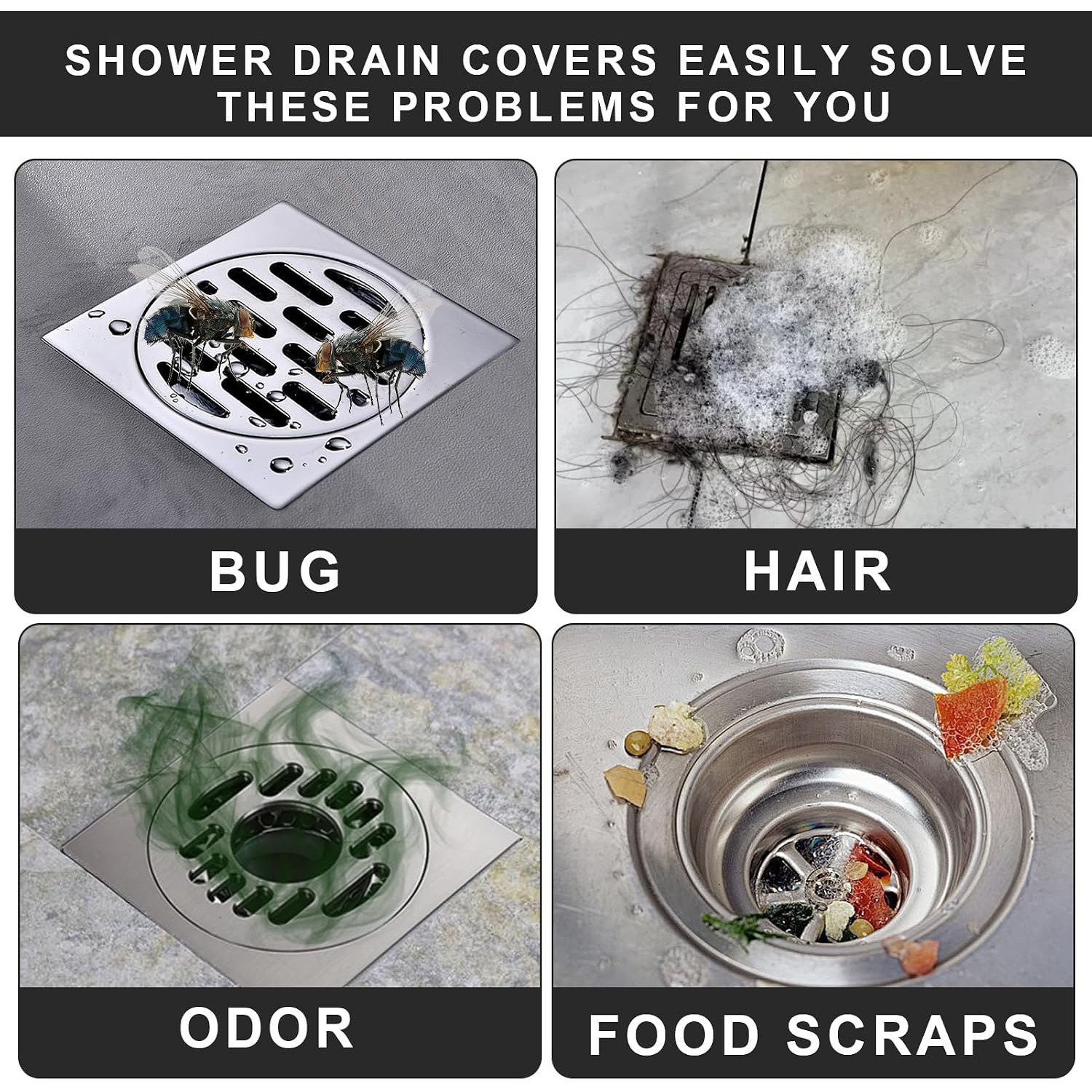
There is a particular kind of frustration that comes with a bathroom that smells even though it is spotless. You scrub the tiles, you bleach the toilet, you take the bin out, and twenty minutes later there is still that faint sewer edge in the air. Nine times out of ten the culprit is the floor trap.
Floor drains are supposed to hold a small amount of water in a bend below the grate, and that water acts as a plug against the gases in the pipe. The trouble is that the water evaporates. In a spare bathroom that nobody uses, or in a hot dry season, or in a laundry where the floor drain only gets wet on wash day, that plug dries out in a week or two. Once it is gone, the pipe is just an open channel from the sewer into your room.
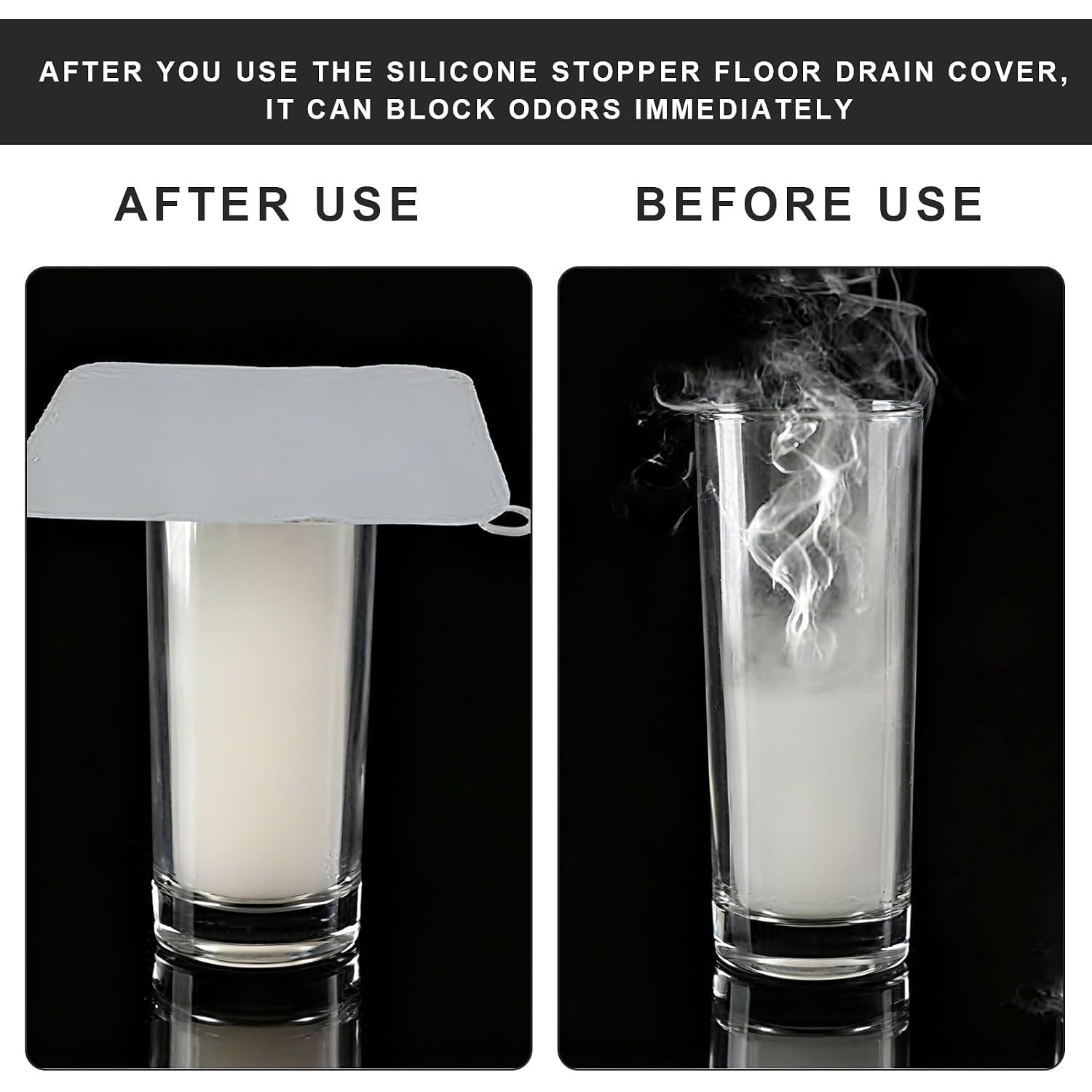
A silicone floor trap cover solves the problem from the top rather than the bottom. Instead of trying to keep water in the trap, you put a flexible mat across the opening so nothing comes up. It is a simple idea and it works because the barrier is soft and continuous rather than a rigid lid that rocks on the tile.
How a flat silicone cover works
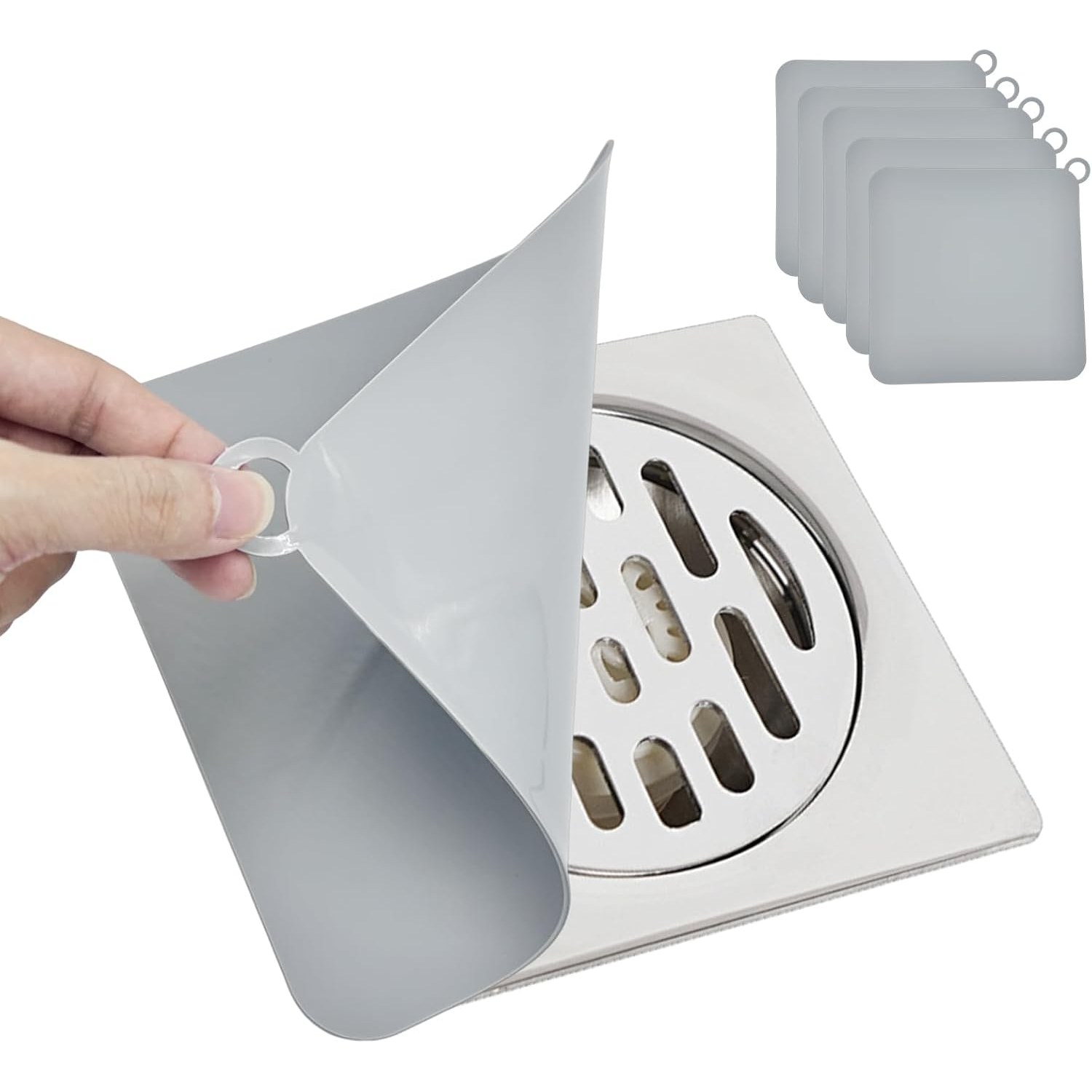
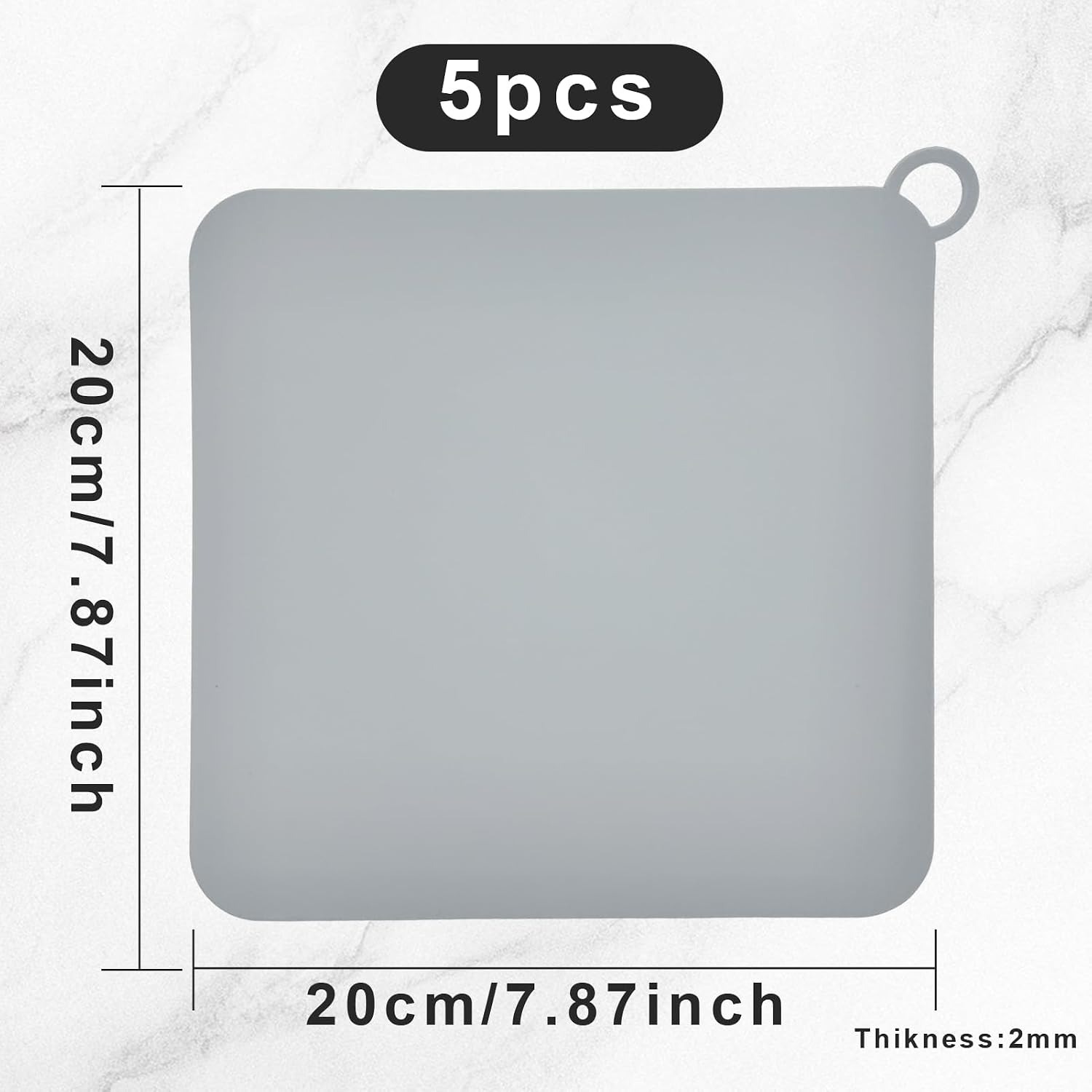
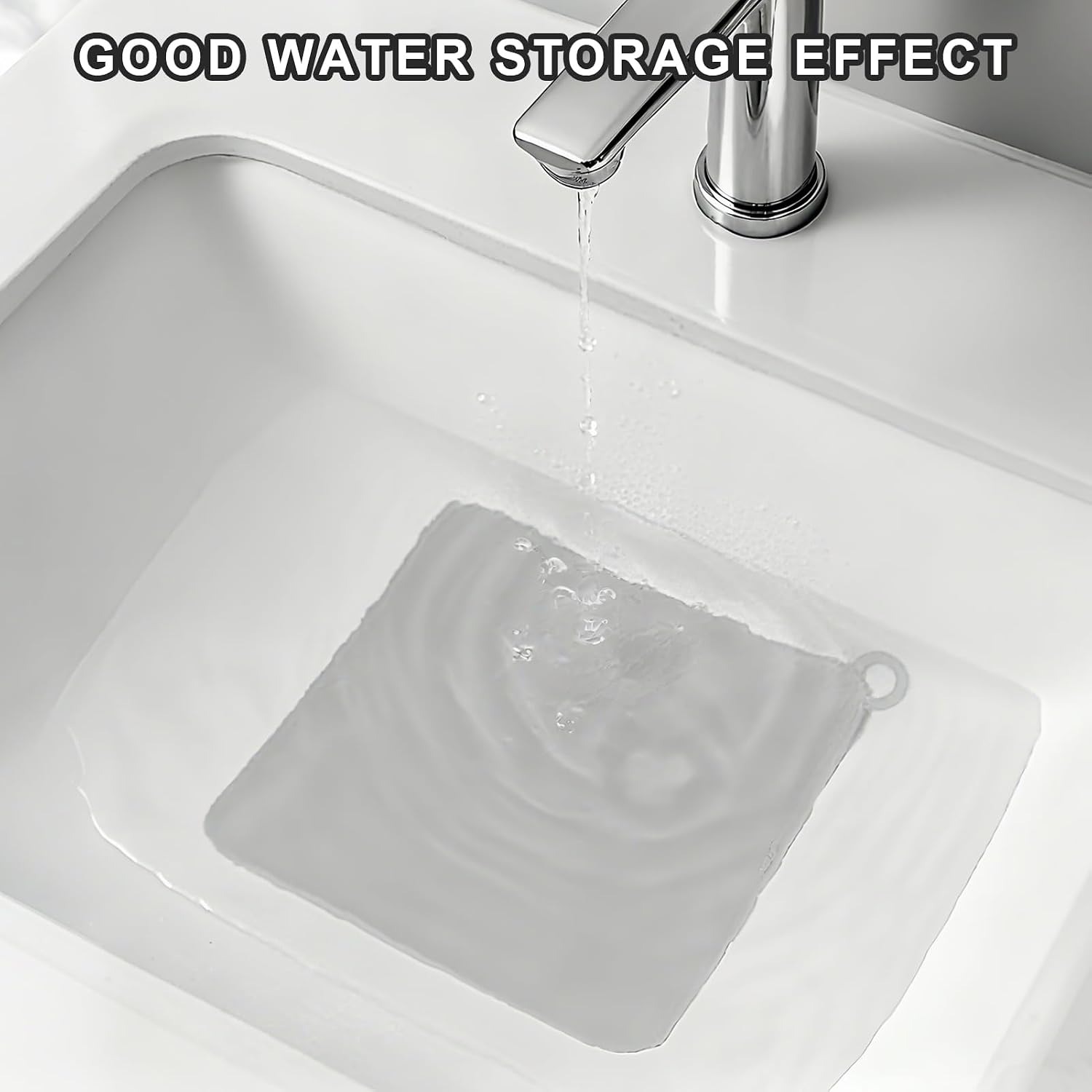
The covers in this set are 20 x 20 cm squares of silicone with a matte grey finish. They are designed to lie across a floor trap so they overlap the opening on all sides. The seal is made by that overlap plus the weight and flexibility of the material pressing against the floor.
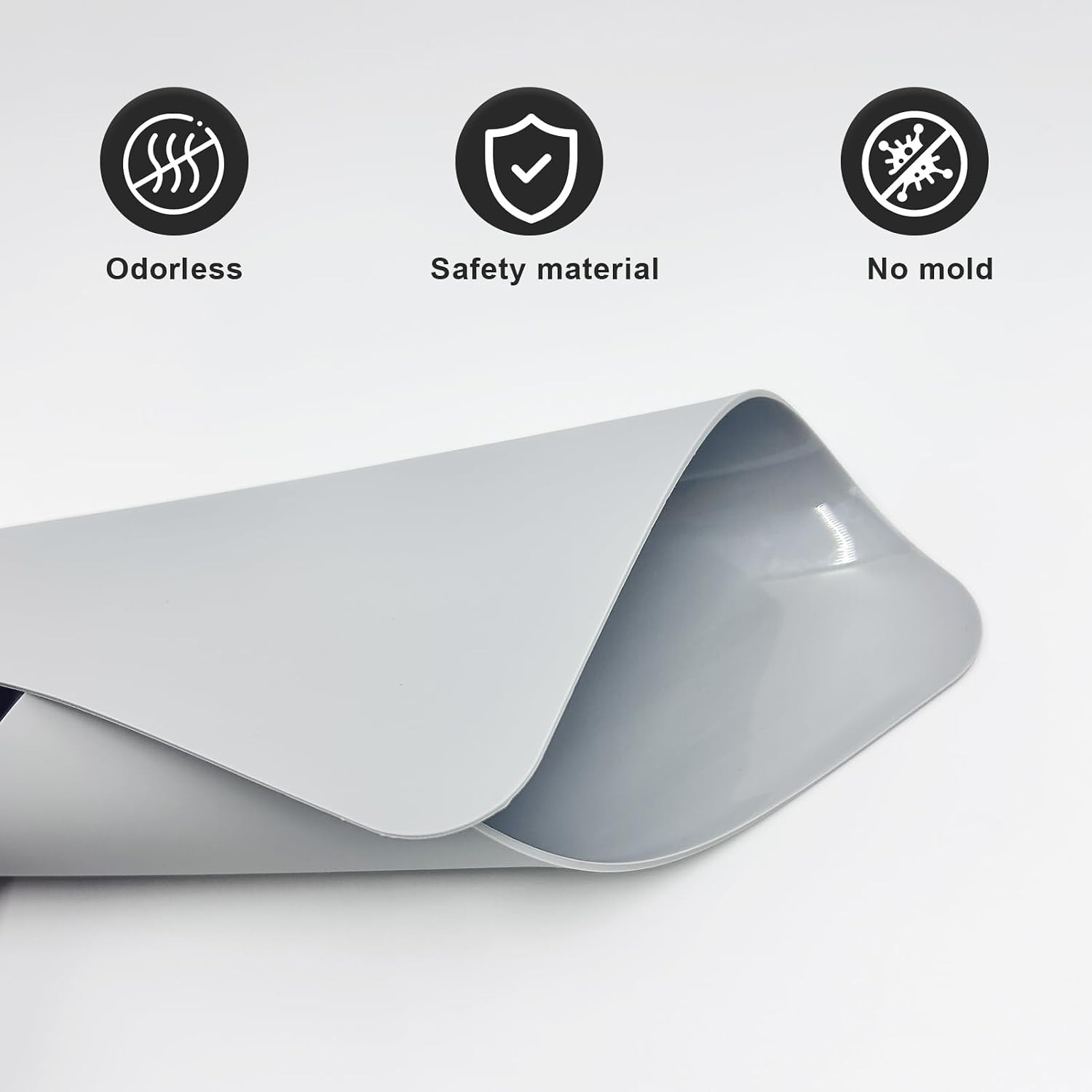
Each cover has two different faces, and this is the part people underestimate. The underside carries suction structure, which grips smooth, flat surfaces such as tiles, shower bases, sinks and bathtubs. This is what stops the mat wandering off when water runs across it or when someone brushes it with a foot. The top face is textured, so if you stand on it in a wet shower you get grip instead of a slide.
That combination matters more in practice than on paper. A cover that keeps sliding away gets picked up and put in a cupboard after a week. A cover that stays where you put it just becomes part of the room.
Because silicone stays soft, it also copes with floors that are not perfectly flat. Older tile work often has a slight fall towards the drain, and a rigid cover will sit on three points and leave a gap on the fourth. A flexible mat settles into the shape of the surface underneath it.
Who gets the most out of these
Anyone with a floor drain that is rarely used will notice the biggest change. Guest bathrooms, second showers and laundry rooms are the classic cases, because the trap dries out between uses and the smell builds with nobody there to notice until visitors arrive.
Apartment dwellers are another group. Shared stacks in multi-unit buildings carry odour between floors, and you often cannot do anything about the plumbing itself. A cover is one of the few fixes a tenant can apply without a landlord conversation.
Kitchens are worth including too. If your kitchen has a floor trap, it picks up fat, food particles and all sorts, and the smell from that is harder than bathroom odour. A good kitchen sink drain mat or floor cover near the prep area makes an immediate difference.
Families with small children sometimes like them for a different reason, which is keeping fingers and small toys out of the drain. The cover does not have holes, so nothing goes down it while it is in place.
Choosing the right cover
Start with the measurement. Get a tape across the widest part of your drain opening, including the grate frame if there is one. You want the cover to overlap the whole thing with room to spare on every side. A 20 cm square works for most standard floor traps, but there are oversized drains out there, particularly in commercial-style bathrooms and older buildings.
Next, look at the floor surface right around the drain. The suction face needs something smooth to hold onto. Glazed tile is ideal, as is a moulded acrylic shower base. Heavily textured anti-slip tile, mosaic with lots of grout lines, or rough stone will not give the same hold. The cover will still block odour there, it just will not stay fixed in place as firmly.
Think about the grate height as well. A flat or nearly flat grate lets the mat sit down evenly. A tall domed grate will tent the cover in the middle and lift its edges off the floor, which weakens the seal.
Then consider how many you need. People often underestimate how many drains are in a house. Walk around and count the bathroom, the ensuite, the laundry and the kitchen. A multipack of five is usually right for a family home with a spare left in the cupboard, and it is the sensible option if you are also looking for the best laundry floor drain cover and the best bathroom drain cover at the same time.
Finally, think about material. Silicone is the right choice for a wet room because it does not mind permanent damp, does not rust, does not go brittle in heat, and is easy to wipe clean. Hard plastic covers crack. Metal covers can corrode and tend to rattle.
Living with them day to day
The routine is light. Once a week, lift each cover, rinse both faces under the tap, and give the suction side a quick wipe with soapy water. Soap film is what kills suction, so that wipe is the important part. Dry it, press it back down over the drain, and you are done.
While the cover is off, take thirty seconds to clear hair and gunk from the drain itself. Doing those two jobs together is the easiest way to stop a slow build-up that eventually causes a blockage. A cover hides the drain from view, and anything hidden tends to get forgotten.
Avoid abrasive pads and strong solvents. Silicone is tough but a scouring pad will scuff the matte surface and damage the suction texture over time. Warm water, a little dish soap and a soft cloth handle everything you will encounter.
If you have covers in storage, keep them flat rather than folded in a tight crease. Silicone has good memory, but a sharp fold left for months can leave a mark.
One habit worth building: pour a jug of water down any unused floor drain every few weeks anyway. The cover does the main work, but refilling the trap gives you a second line of defence, and it costs you nothing.
When a cover is not the whole answer
Be honest about the source of the smell. If the odour is strongest at the sink rather than the floor, the problem could be the sink trap, the overflow, or a build-up of gunk in the pipe. If the smell gets worse after heavy rain or when a washing machine drains, you could have a venting issue, and that is a plumber's job.
A floor trap cover handles odour rising through an open or dried-out floor trap. That is the most common cause by a wide margin, but it is not the only one. If you have fitted a cover and nothing changed, it is worth getting the plumbing looked at.
The short version
Floor drains smell because the water seal in the trap dries out, and a flat silicone cover blocks the opening so the gas stays in the pipe. This set gives you five 20 x 20 cm grey silicone mats, with a suction face that holds onto smooth tile, shower bases, sinks and bathtubs and a textured face that gives grip underfoot.
Measure your drain, check the surface around it is smooth, and allow for overlap on all four sides. Rinse the covers weekly and wipe the suction side so it keeps gripping. Spread the five around the house rather than stockpiling them in one room.
It is a small, cheap fix for a problem that makes a home feel unclean when it is anything but.