
The complete guide
How to Choose a Sink Strainer That Actually Gets Used
The slow blockage nobody notices
A drain rarely fails all at once. It gets a little slower over weeks. The water takes a second longer to clear, then a few seconds, then you find yourself standing at the sink watching it pool while the dishes wait. By the time it is obvious, there is already a plug of grease, food fibre and hair sitting in the bend of the pipe.
Almost all of that arrives one small piece at a time. Grains of rice. A bit of onion skin. The fat that solidifies once hot water cools. Hair from a shower. None of it feels worth worrying about on the day, and that is precisely why it works its way in.
A strainer breaks the pattern. It does not clean your pipes or fix an existing blockage, but it stops new material from going in. That is the whole trick, and it is why a few dollars of steel sitting over a drain opening can save you a call-out fee later.
What this one actually is
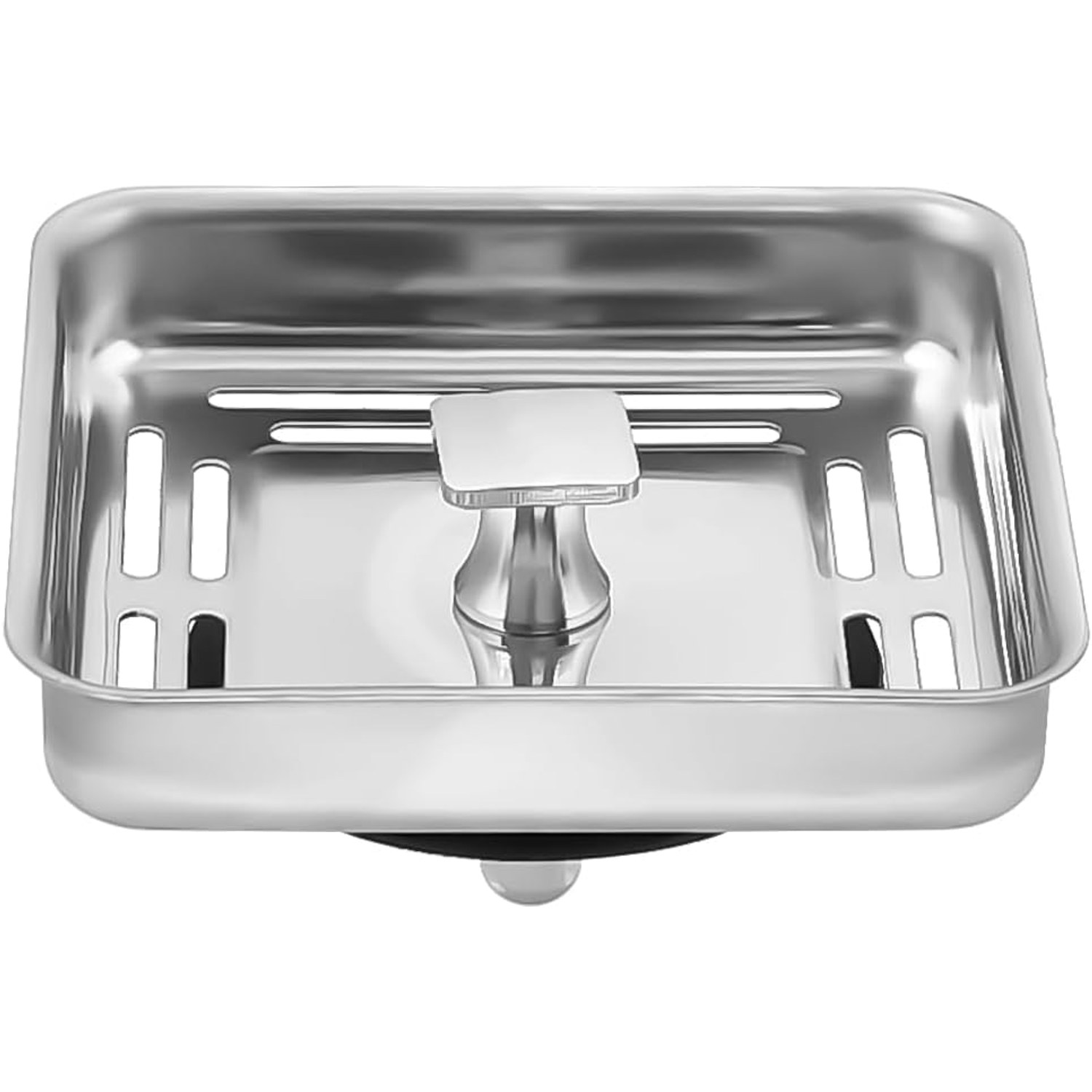
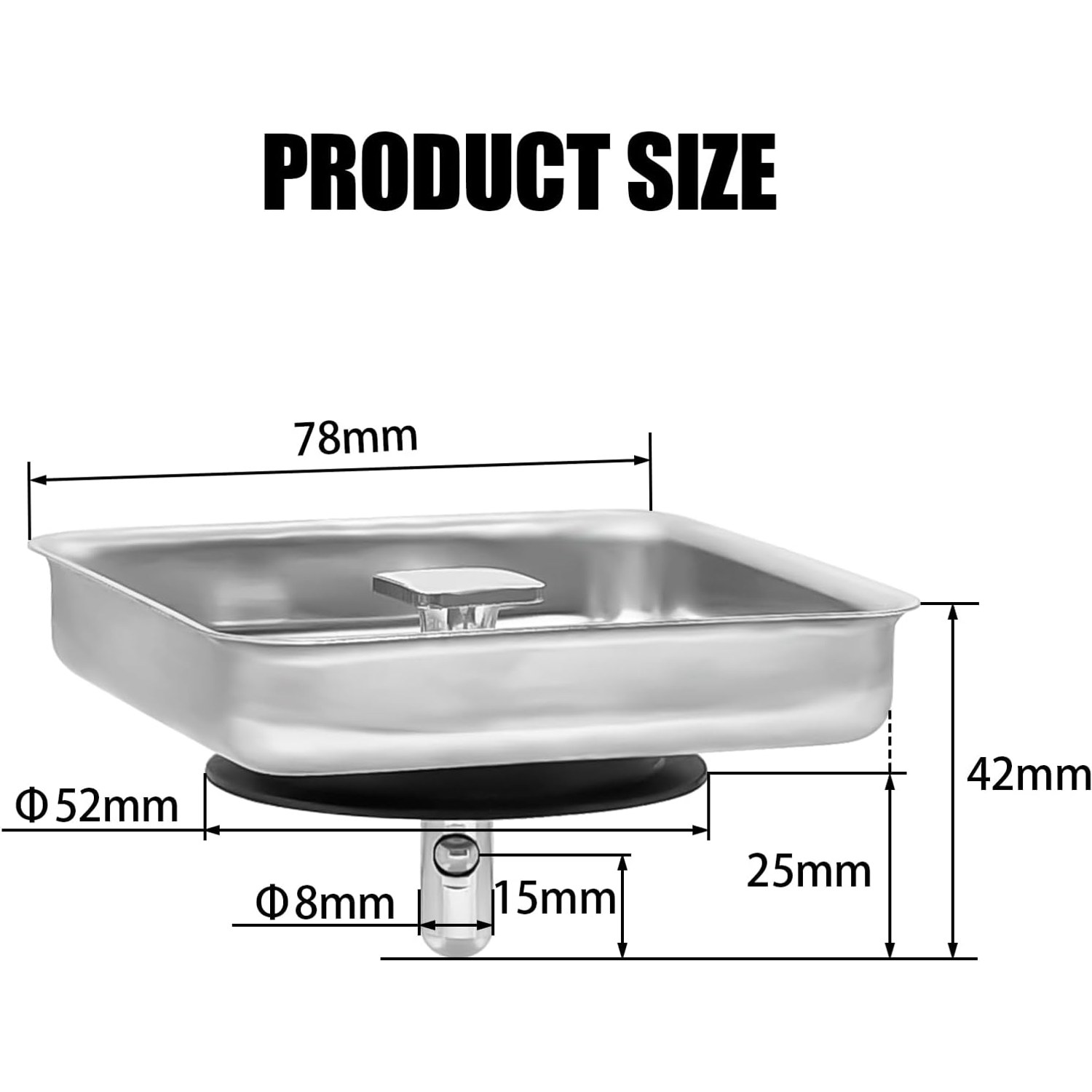
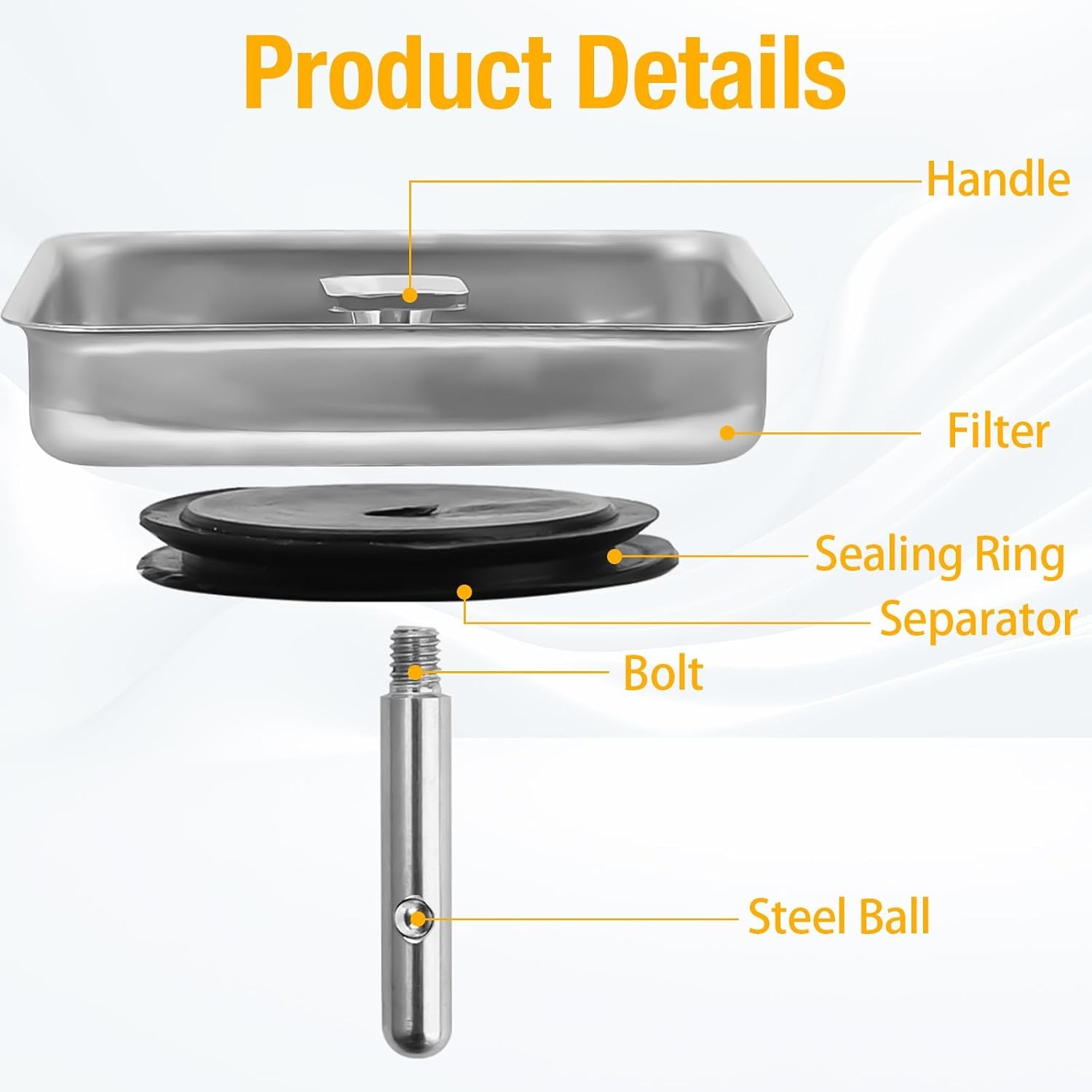
This is a square sink strainer measuring 78 x 42mm, made from stainless steel and finished in silver. It is a single piece that sits over a drain opening. There is nothing to assemble, screw in or clip on.
The working surface has sixteen arc-shaped holes. Arc slots are worth understanding, because they behave differently from a fine mesh. Mesh catches more fine particles, but it also clogs quickly and holds onto fibres that are a nuisance to rinse out. Arc slots have a larger open area, so water keeps moving when debris starts to collect, and they rinse clear with a quick pass under the tap.
The rim has been passivated. That is a finishing process applied to stainless steel after it is cut, and it leaves a smooth, stable edge. The practical result is that you can lift it out with wet fingers and tip it into the bin without a sharp burr catching you. A strainer that nips your hand on day three stops being used by day four, so this detail matters more than the spec sheet suggests.
The whole thing weighs 0.08 kg. Light to move, heavy enough to stay put.
Does it fit your drain?
This is the only question that really decides whether the product works for you, and it takes thirty seconds to answer.
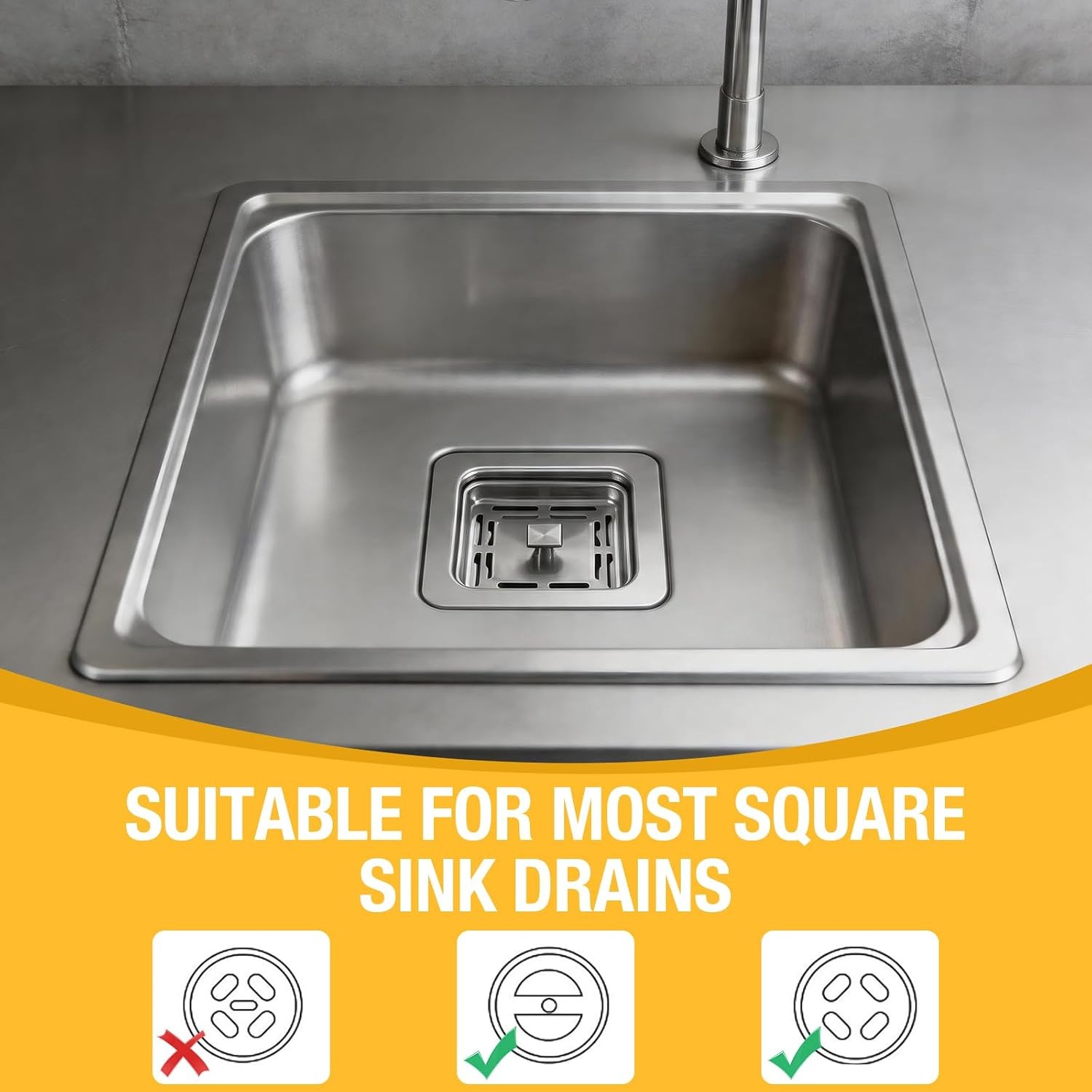
Take a tape measure to your drain opening and note the length and the width. A 78 x 42mm cover is designed for smaller square and rectangular openings. It should span the hole and rest on the surface around it. If your opening is wider than that, the strainer will drop in or sit unevenly, and debris will slip past the edges.
Round plugholes are a different story. If you have a standard circular kitchen waste, a round basket strainer is usually the better fit. A rectangular sink strainer earns its place in sinks, baths and floor drains where the opening is genuinely square or oblong, which is more common in European and Asian fittings, modern bathroom basins, laundry sinks and balcony outlets.
Also look at what surrounds the opening. You want a reasonably flat area for the strainer to rest on. If the drain sits in a deep recess or a sloped channel, measure the flat section rather than the overall shape.
Where people end up using it
Most people buy a stainless steel sink drainer with one sink in mind and then discover it is useful elsewhere.
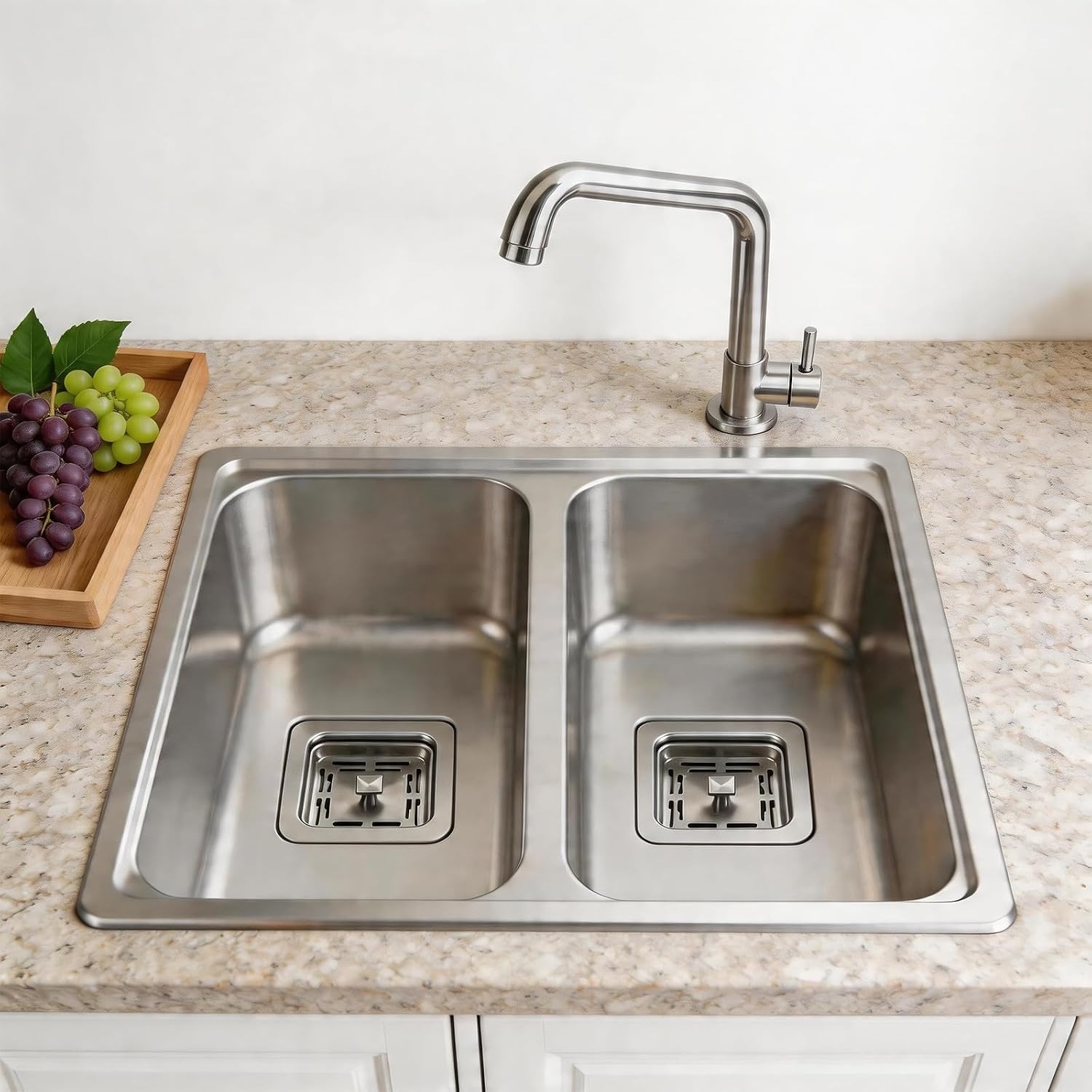
In the kitchen it catches peelings, rice, pasta, tea leaves and the general debris of rinsing plates. In a bathroom basin it holds back hair and the gritty residue from shaving or cleaning brushes. On a shower floor drain it becomes a hair catcher, which is the single biggest cause of slow bathroom drains in most homes. In a laundry sink it intercepts lint and fibre. On a balcony or in a utility area it stops leaves, soil and small stones from washing into the outlet.
The common thread is that any drain with a small square or rectangular opening is fair game. Because the strainer is light and has no fixings, moving it takes no effort at all.
How to choose between strainer types
There are broadly four kinds of drain filter on the market, and each has a job it does best.
Flat covers like this one sit over the opening and are the easiest to clean. You lift, tip and rinse. They suit shallow drains and small openings, and they keep the sink surface clear when you want to use the full basin.
Basket strainers drop into a round waste and hold a deeper pocket of debris. They hold more before you have to empty them, but they occupy space in the bowl and the fine mesh versions clog with fibre.
Silicone and plastic covers are soft and cheap. They are kind to delicate surfaces, but they stain from sauces, hold odours and can go brittle after repeated hot water. Replacement every few months is normal.
Fitted mesh screens sit inside the waste fitting itself. They work well but are harder to remove for cleaning, which means they often get neglected.
If you want the best kitchen sink drain filter for a small square drain, a flat steel cover is usually the sensible answer. It is the type most likely to still be in use a year later, because cleaning it is so quick that you never put it off.
Keeping it in good shape
The routine is short. Lift it out when you finish at the sink, tip the scraps into the bin or compost, rinse it under the tap, and put it back. Thirty seconds at most, and it stops anything building up underneath.
Once a week, or after a greasy cook-up, give it a proper wash. Warm soapy water and a sponge handle most of it. The dishwasher is fine too, so it can simply go in with the plates.
Avoid steel wool and gritty scouring pads. They will scratch the finish, and scratches give residue somewhere to lodge. If you live in a hard water area and spots appear, a wipe with diluted white vinegar clears the minerals, then rinse and dry.
Drying it after cleaning is a small habit with a real payoff. Water left to evaporate is what leaves marks in the first place.
What it will not do
Being clear about limits saves disappointment. This is a filter, not a plug, so it will not hold a sink full of water for soaking. If you need that, you want a stopper.
It will not clear a drain that is already blocked. If your water is backing up now, deal with the existing blockage first and then fit the strainer to stop the next one forming.
Very fine particles can pass through the arc holes. Some coffee grounds, flour and similar powders will slip past. The sensible approach is to tip those straight into the bin or compost rather than relying on any strainer to catch them.
And it will not stop grease. Fat goes down as a liquid and solidifies further along the pipe. Wiping greasy pans with kitchen paper before rinsing does more for your plumbing than any screen.
The short version
If you have a small square or rectangular drain and you are tired of picking scraps out of the pipe, this strainer is a straightforward fix. It is stainless steel, 78 x 42mm, with sixteen arc-shaped holes that keep water moving and hold solids on top. The edges are smoothed so it is comfortable to handle, it weighs almost nothing, and it goes in the dishwasher when it needs more than a rinse.
Measure your drain before you order. If the opening suits 78 x 42mm, this is a cheap piece of insurance against a blocked pipe, and it is small enough that you will barely notice it is there.