Drains Company
Company
Shop By Category
T&Cs
Shop Online
  • Size, material and fit listed
  • Free tracked delivery across Singapore over $150
  • 14-day returns

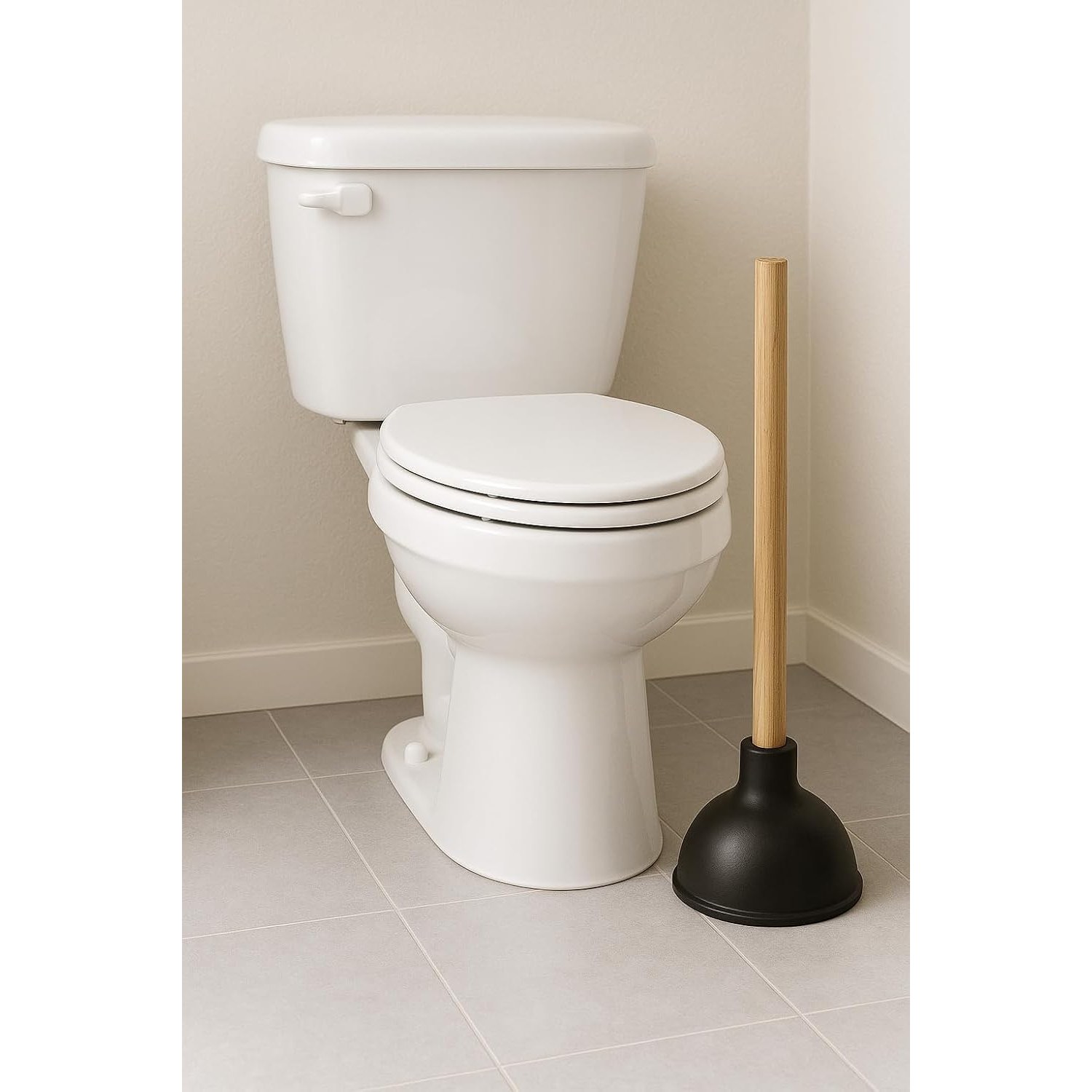
Flange Toilet Plunger | Heavy duty plunger for blocked toilets | dual purpose sink and toilet plunger

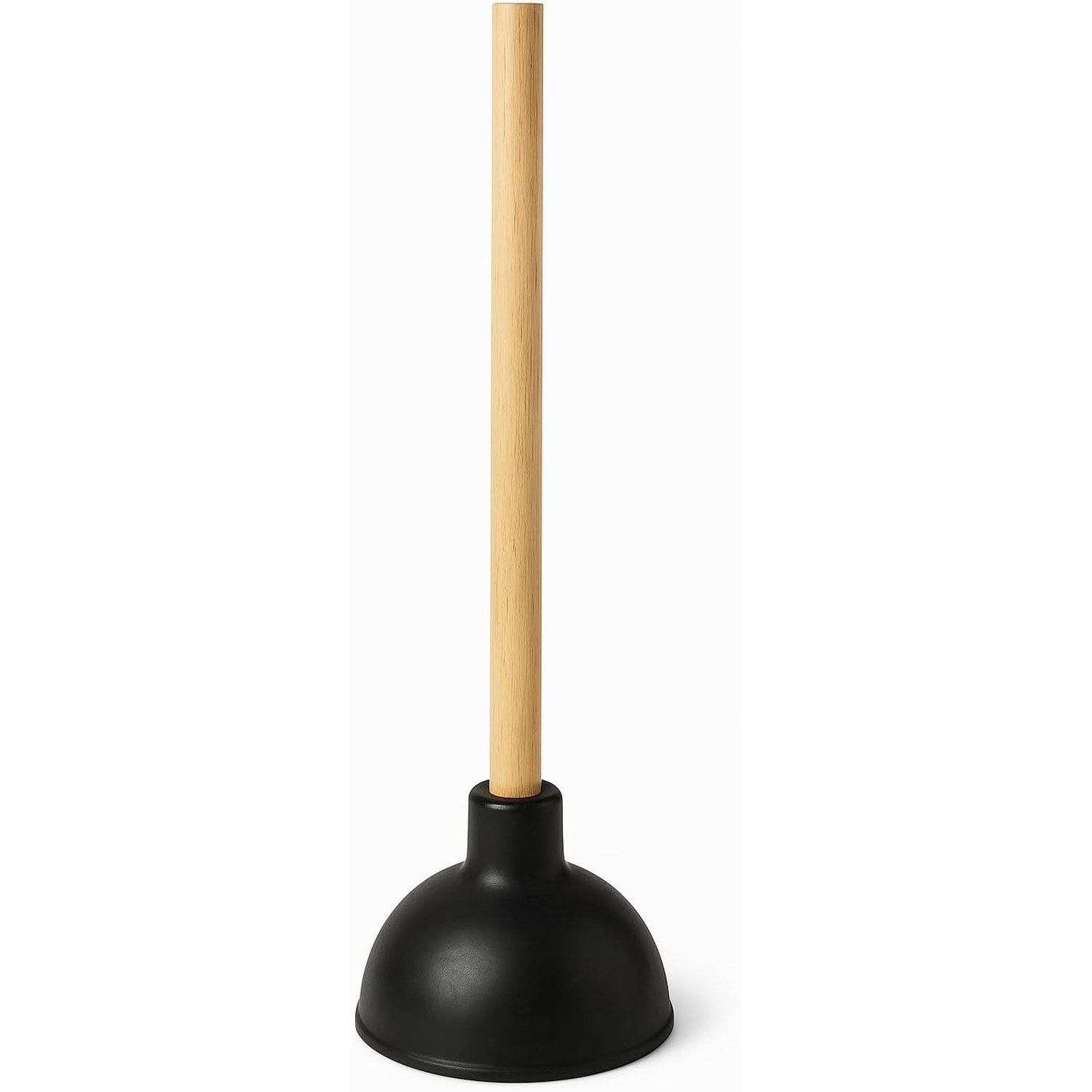
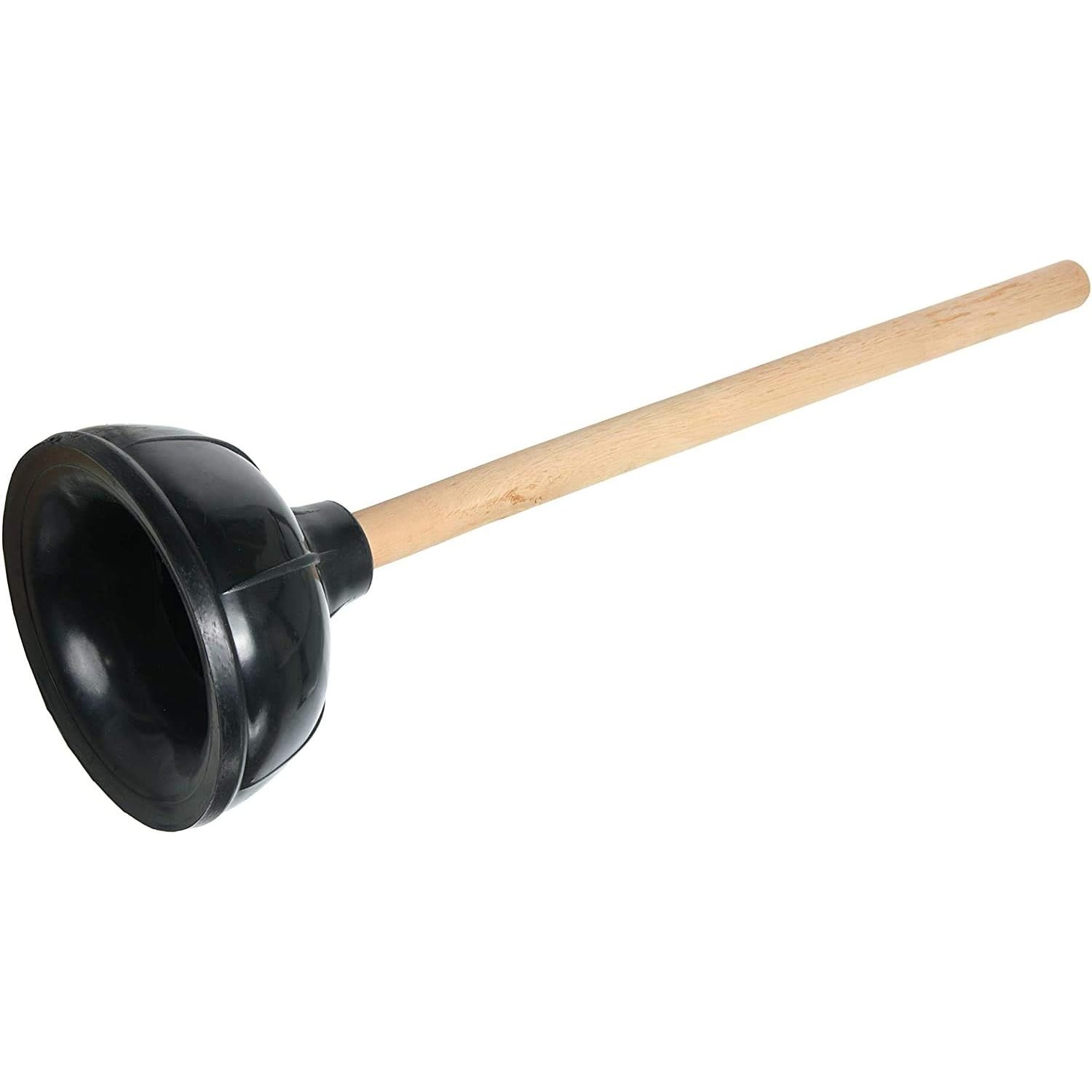
Flange Toilet Plunger with Wooden Handle

$62.99 $75.99 Save $13
  • Flange Cup Design
  • Reinforced Rubber
  • 17 Inch Handle
  • Toilet And Sink

Price: $62.99 $75.99

  • Free tracked delivery across Singapore on orders $150+, otherwise a flat $20
  • Pay by card or PayPal, handled by the payment provider
  • 14 days to change your mind, plus your statutory rights
Product specifications
Handle Length17 inches (43 cm)
Cup Diameter5 inches (13 cm)
Handle MaterialWood
Cup MaterialRubber
Item Weight231 g
Batteries RequiredNo
ConditionNew
Suitable ForToilets, sinks, showers, bath drains
Weight231 g
Shipping & returns

Tracked delivery anywhere in Singapore. It is free on orders of $150 or more, and a flat $20 below that.

If it is not right for you, send it back within 14 days of delivery in resaleable condition and we refund the price you paid, including standard delivery. That is a voluntary policy we offer on top of your legal rights. You cover the cost of returning it unless the item is faulty.

If it arrives faulty, damaged or not as described, we put it right at no cost to you, return postage included, and your protection under the Consumer Protection (Fair Trading) Act 2003 is unaffected.

Shipping details · Refunds and returns

Flange Cup DesignThe extended lip seats into the toilet outlet for a tight seal.
Reinforced RubberA 5 inch (13 cm) reinforced cup holds its shape under hard pushes.
17 Inch HandleLong wooden handle keeps your hands well clear of the water.
Toilet And SinkWorks on toilets, sinks, showers and bath drains.

A flange toilet plunger that clears a blocked loo on the first few pushes, so you can get the bathroom back to normal fast.

A 5 inch (13 cm) reinforced rubber cup on a 17 inch (43 cm) wooden handle gives you a tight seal and strong suction on toilets, sinks, showers and bath drains.

A blocked toilet is never convenient, and this flange toilet plunger is built to deal with it quickly instead of splashing water around the room.

The 5 inch (13 cm) rubber cup is reinforced so it keeps its shape when you push hard, which is what creates real suction rather than a soft flop.

A 17 inch (43 cm) wooden handle gives you reach and keeps your hands a sensible distance from the bowl.

The same cup works on kitchen sinks, shower trays and bath drains, so one tool covers most household blockages.

At 231 g it is light enough to handle easily and simple enough that anyone in the house can use it.

Flange Toilet Plunger with Wooden Handle

Most household blockages are not a plumbing emergency. They are a slug of paper or soap scum sitting in a bend, and a plunger that can hold a proper seal will shift it in under a minute. The problem is that cheap plungers fold under pressure, so you end up pushing water sideways instead of down the pipe. This one uses a reinforced 5 inch (13 cm) rubber cup that keeps its shape when you lean on it, which is the whole point of a heavy duty plunger for blocked toilets.

Flange Toilet Plunger with Wooden Handle

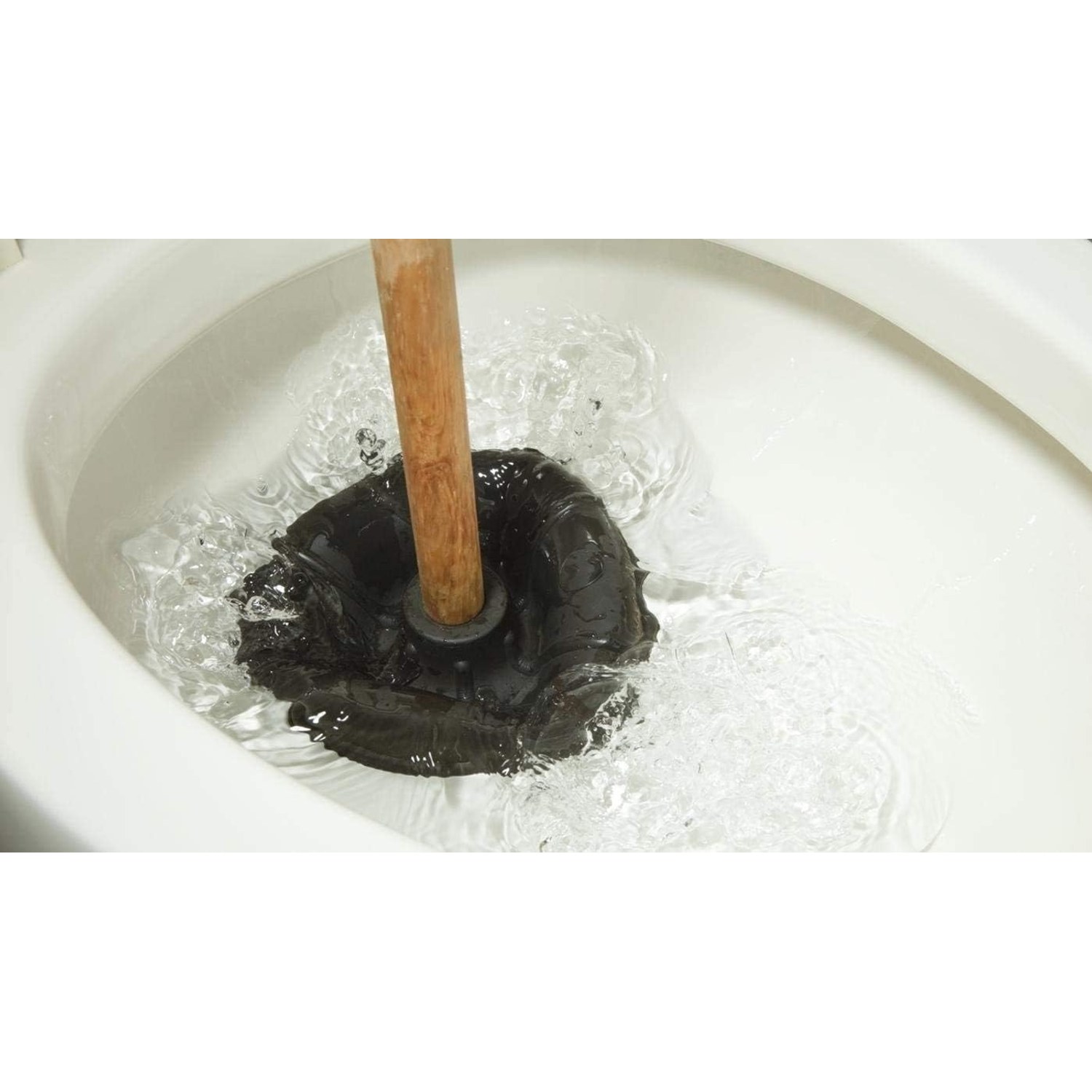
The flange shape matters more than people expect. A toilet bowl does not have a flat floor, so a plain flat cup never quite seals against it. The extended lip on this cup tucks down into the outlet and forms a closed chamber of water. Once that chamber is sealed, every push and pull moves the water column directly against the blockage instead of leaking out around the rim.

Flange Toilet Plunger with Wooden Handle

The 17 inch (43 cm) wooden handle gives you two things. First, reach, so your body weight does the work rather than your shoulders. Second, distance, which anyone who has plunged a full bowl will appreciate. Wood also has a bit of natural grip, even when your hands are wet, and it does not get slick the way smooth plastic sometimes does.

Flange Toilet Plunger with Wooden Handle

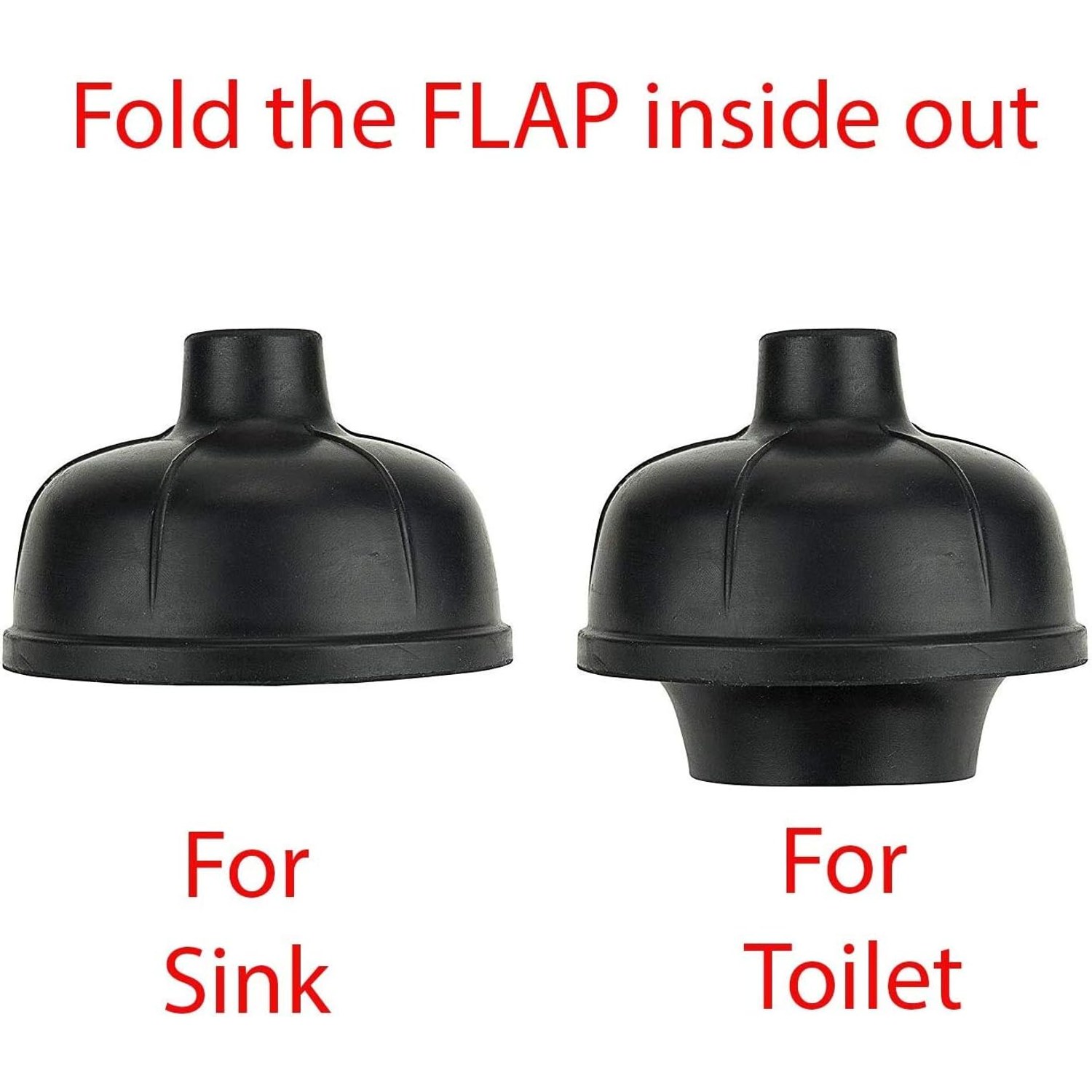
Fold the flange back up inside the cup and you have a standard flat-faced plunger. That turns it into a dual purpose sink and toilet plunger, ready for a slow kitchen sink, a shower tray that is pooling around your feet, or a bath that is draining at half speed. Keeping one tool for all of those jobs is simpler than buying two and losing one.

The whole unit weighs 231 g, so it is easy to store upright in a corner, a bucket or a plunger holder. There is nothing to charge, nothing to assemble and nothing to replace. It is the kind of thing you buy once, put somewhere sensible, and are very glad to find when you need it.

Not sure yet? That is fine.

A drain part has to fit the drain you have, and you cannot always judge that from a photograph. If it is not right for you, send it back within 14 days of delivery in resaleable condition and we refund the price you paid, including standard delivery. That is a voluntary policy we offer on top of your legal rights.

If it turns up faulty, damaged or not as described, that is on us. We pay the return postage, with your protection under the Consumer Protection (Fair Trading) Act 2003 unaffected. Read the full detail on our refunds and returns page, or ask us anything before you order.

Frequently Asked Questions

What is a flange toilet plunger?

It is a plunger with an extra rubber lip, called a flange, that folds out from inside the main cup. That lip is shaped to sit down into the outlet hole at the bottom of a toilet bowl. It gives you a far better seal than a flat cup, which is why it is the usual choice for toilets.

How is it different from a normal flat plunger?

A flat plunger is designed for flat surfaces like the bottom of a sink or a shower tray. A toilet bowl curves away into the outlet, so a flat cup cannot close off the hole properly. The flange solves that by reaching into the opening itself.

Can I use it on a sink as well?

Yes. Fold the flange back up inside the cup and the face becomes flat, which is exactly what you want on a sink. That is what makes it a dual purpose sink and toilet plunger rather than a single job tool.

What size is the cup?

The rubber cup measures 5 inches (13 cm) across. That is a common size for household toilets and covers most standard outlets without being awkward to handle.

How long is the handle?

The handle is 17 inches (43 cm) long and made of wood. That length gives you reach to push properly while keeping your hands clear of the water.

How much does it weigh?

The listed item weight is 231 g. It is light enough that anyone in the household can use it comfortably.

What is the cup made from?

The cup is rubber, and it is reinforced so it holds its shape under pressure. A soft cup collapses when you push, which wastes most of your effort.

Does it need batteries?

No. It is a completely manual tool with no electrical parts, nothing to charge and nothing to replace.

What colour is it?

The colour is not specified by the maker. Supplier photos are the best guide to current appearance.

What are the packed dimensions?

Overall packed dimensions are not specified by the maker. The published measurements are the 17 inch (43 cm) handle and the 5 inch (13 cm) cup.

How do I actually use it on a toilet?

Fold the flange out, lower the cup into the bowl at an angle so the cup fills with water rather than trapping air, then seat the flange into the outlet. Push down slowly for the first stroke, then pump firmly ten to fifteen times before pulling the cup away.

Why does the first push need to be slow?

The cup is full of air when you first lower it in. A hard first push forces that air back out and splashes water everywhere. A slow first stroke lets the air escape gently and sets the seal.

How many strokes does it usually take?

Most simple paper blockages clear in one or two sets of ten to fifteen strokes. If three full sets have done nothing, the blockage is likely further down the line and plunging alone may not reach it.

Should I add water to the bowl before plunging?

Yes, if the bowl is nearly empty. The cup needs to be covered by water to work, because you are moving water, not air. Add enough so the rubber is fully submerged.

What if the bowl is already full to the rim?

Bail some out into a bucket first so you have room to work without overflowing. Leave enough water to cover the cup. Gloves and a few old towels on the floor are worth the trouble.

Can I use it with drain chemicals in the bowl?

It is safer not to. Plunging splashes, and caustic drain cleaners can burn skin and eyes. If chemicals have already been poured in, flush them through before you start plunging.

Will it work on a slow shower drain?

Yes. Fold the flange in, cover the drain with enough water to seal the rim, block any overflow opening if there is one, and pump. A shower drain plunger action is usually gentler than a toilet.

Can I use it on a bathtub?

Yes, it works as a bathtub drain plunger. Cover the overflow plate with a wet cloth or your hand first, otherwise the pressure escapes up through the overflow instead of pushing on the clog.

Does it work on a double kitchen sink?

It can, but you need to block the second drain with a stopper or a wet cloth while you plunge the first one. Otherwise the water and pressure just travel across to the other basin.

Will it scratch the porcelain?

The working face is rubber, so it should not scratch a glazed toilet bowl or sink. Keep grit and small stones off the cup, since anything trapped underneath can mark a surface.

How do I clean it afterwards?

Rinse the cup under running water, or flush it in clean toilet water, then shake it off over the bowl. A quick wipe with a disinfectant cloth is sensible before you put it away.

How should I store it?

Stand it handle-up in a plunger holder or a bucket so the cup drains and air dries. Avoid leaving it lying in a puddle, and keep the wooden handle somewhere ventilated rather than sealed in a damp cupboard.

Does the wooden handle need any maintenance?

Not really. Just wipe it dry rather than soaking it, and do not leave it standing in water for days. Dry storage is all it needs.

How long will the rubber cup last?

Rubber lasts well with normal household use when it is rinsed and dried. Heat and long sun exposure are what age it fastest, so a cool dry cupboard is better than a sunny balcony.

Is one plunger enough for the whole house?

One does the job, but many people keep a second so the toilet plunger never touches the kitchen sink. If that matters to you, buying two is the cleaner approach.

Is it suitable for commercial or heavy use?

It is built for household use, which covers the great majority of blockages in homes, flats and small offices. Persistent commercial drain problems usually call for a drain snake or a plumber.

Can children or older family members use it?

It is simple enough that most people can handle it. At 231 g it is light, though plunging does take some steady pushing, so it is not the gentlest job for anyone with limited shoulder or wrist strength.

What if plunging does not clear the blockage?

Stop after a few honest attempts rather than forcing it. Repeated hard plunging on a stubborn clog can push water into places you do not want it. At that point a drain auger or a plumber is the right next step.

Does it make a good gift?

It is a practical housewarming or first-home gift, the kind of thing people never buy until the night they need it. Pair it with a holder or a small bathroom kit and it stops looking like a joke present.

What about delivery and returns?

We deliver to addresses across Singapore with a tracked courier. Most orders arrive within 7 to 12 working days of the order date, because our products are sent from overseas warehouses. Change of mind returns are accepted within 14 days of delivery for unused items, and a faulty or damaged item is put right at our cost.

How to Choose and Use a Flange Toilet Plunger

6 min read Drains Company

The problem nobody plans for

A blocked toilet always happens at the worst time. Guests are over, it is late, the shops are shut, and the water in the bowl is sitting higher than it should. That is the moment you find out whether the thing in the corner of the bathroom is a real tool or a cheap imitation of one.

Most people own a plunger. Far fewer own a plunger that actually works on a toilet. The soft black cup sold at the checkout of a supermarket is designed for flat drains, and when you press it into a curved toilet bowl it folds, slips sideways and sprays water across the tiles. Ten minutes later you are still blocked, and now the floor is wet too.

A flange toilet plunger is the fix. The extra rubber lip changes everything about how the seal forms, and a reinforced cup means your push goes into the pipe rather than into deforming the rubber.

How a plunger actually works

It helps to understand what you are doing, because technique matters more than muscle.

Plunging is not about forcing air down the drain. Air compresses, so it absorbs your effort and does very little. Plunging works on water, which does not compress. When you seal the cup over the outlet and the cup is full of water, every push sends a solid pressure wave at the blockage, and every pull creates suction that drags it back the other way.

That back and forth is the important part. A clog made of paper and waste is soft. Pushing alone can pack it tighter into the bend. Pushing and pulling breaks it up and lets the water carry it away. This is why the pull stroke matters as much as the push, and why holding your seal through the whole cycle is the difference between a minute of work and twenty minutes of frustration.

So the real job of the cup is simple. Hold a seal, stay rigid, and move water. The 5 inch (13 cm) reinforced rubber cup on this plunger is built around exactly that.

Why the flange matters

Look inside a toilet bowl. The floor curves down into a round outlet, maybe two to three inches across. There is no flat area around that hole for a cup to sit on.

A flat plunger rests on the curve and leaks around the edges. You push, pressure escapes sideways, and the water sloshes instead of moving down. The flange solves this by extending a narrower rubber sleeve from inside the cup. That sleeve goes into the outlet. The main cup then covers the surrounding bowl, and together they form a closed chamber.

Once that chamber is closed, the plunger finally has something to push against.

The second half of the design is just as useful. The flange folds back up inside the cup when you do not need it. Flat face out, you have an ordinary sink plunger. That is what makes this a genuine dual purpose sink and toilet plunger rather than a toilet-only tool, and it is why one plunger can cover a kitchen sink, a shower tray and a bath drain as well.

Getting the technique right

Here is the sequence that works.

Make sure there is enough water in the bowl to cover the rubber. If the bowl drained low, pour some in from a jug. If it is near overflowing, bail a little out into a bucket so you have room to work. Put down a couple of old towels. Gloves if you have them.

Lower the cup in on an angle, so the cup fills with water rather than trapping a pocket of air. Seat the flange into the outlet and feel for the point where it grips.

Your first push should be slow and gentle. This pushes out any remaining air and sets the seal. Hard first pushes are what cause the famous splash-back.

Then pump. Firm, straight up and down strokes, ten to fifteen of them, keeping the seal the whole time. On the last stroke, pull the cup away sharply. If the water drains, flush once to confirm. If not, reseat and go again.

Two or three honest rounds is a fair attempt. If nothing has moved after that, the blockage is probably further along the line than a plunger can reach, and a drain auger or a plumber is the sensible next call. Hammering away for half an hour rarely helps and sometimes pushes water somewhere you do not want it.

Who this suits

This is a household tool. If you own or rent a home, a flat, a holiday place or a small office bathroom, this is the type of plunger that belongs in the cupboard.

It also makes a lot of sense for first-home buyers and people moving into a rental for the first time. Nobody thinks to buy a plunger until they need one, which is precisely why it is such a useful thing to gift at a housewarming. Pair it with a holder and it looks thoughtful rather than cheeky.

Where it is less suited is heavy commercial plumbing or a drain that blocks every few weeks. A recurring blockage usually means something structural, like root intrusion, a sagging pipe or a partial obstruction deeper in the system. No plunger fixes that, and repeated plunging only masks the symptom.

What to look for when choosing one

A few things separate a good plunger from a frustrating one.

Cup stiffness is the first. Squeeze the rubber. If it folds easily between your fingers, it will fold under a hard push too. Reinforced rubber that pushes back is what you want.

Cup size is the second. Around 5 inches (13 cm) suits standard domestic toilets. Much smaller struggles to cover the bowl floor, much larger gets clumsy inside a narrow bowl.

Handle length is the third. Something in the 16 to 18 inch (46 cm) range, like the 17 inch (43 cm) handle here, gives you a proper push and keeps your hands and sleeves away from the water. Short handles force you to crouch close, which is unpleasant and gives you less power.

Then handle material. Wood has a natural grip even when wet, and it does not flex the way thin plastic tubing sometimes does. It also feels more solid in the hand, which sounds like a small thing until you are pushing hard.

Finally, think about where it will live. Standing a plunger upright so the cup drains is better for the rubber and better for the bathroom. A bucket or a holder is enough.

Looking after it

Care is not complicated. Rinse the cup after every use, either in clean water from the tap or by flushing it in the bowl, then shake it off. Wipe it with a disinfectant cloth if you like. Stand it handle-up so it dries.

Keep the wooden handle dry. Wipe it rather than soaking it, and store the plunger somewhere ventilated instead of sealed in a damp cupboard where it never dries out.

Rubber ages fastest in heat and sunlight, so a shaded cupboard is kinder than a sunny laundry window. Treated this way, there is no reason a plunger like this should not last for years. There are no moving parts, no batteries and nothing that wears out except the rubber itself.

The short version

A toilet needs a flange cup. A sink needs a flat one. This plunger does both, because the flange folds away inside the cup.

The things that make it work are a stiff 5 inch (13 cm) reinforced rubber cup, a 17 inch (43 cm) wooden handle for reach and distance, and the right technique: water over the cup, gentle first push, then steady pumping while you hold the seal.

It weighs 231 g, needs no power, and asks nothing of you except a rinse and somewhere dry to stand. Buy one before you need it, put it somewhere you will remember, and the next blocked toilet becomes a two minute job instead of a bad evening.

Browse the shop

Not sure it fits your toilet?

Send us a photo of your bowl outlet and we will tell you honestly whether this cup will seal on it.

Ask us a question

Page summary

The Flange Toilet Plunger from is a manual drain clearing tool with a 5 inch (13 cm) reinforced rubber cup mounted on a 17 inch (43 cm) wooden handle. The flange lip seats into a toilet outlet to form a seal, and can be folded back into the cup to work as a flat plunger for sinks, showers and bath drains. Item weight is 231 g and no batteries are required. The cup is rubber and the handle is wood. Colour, country of origin and overall packed dimensions are not specified by the maker, and no certifications, warranty or verified ratings are listed. It is sold new and supplied through a dropship fulfilment arrangement.