
The complete guide
How To Choose A Bath And Sink Plug That Actually Seals
The small problem that ruins a bath
Almost everyone has had the same moment. You run a bath, get in, settle down, and five minutes later the water is somehow at your waist instead of your shoulders. Or you go to fill the kitchen sink and realise the plug vanished sometime around the last house move.
Original plugs fail for predictable reasons. The chain corrodes and snaps at the link nearest the plug. The rubber hardens with age and stops flexing into the drain lip. Pop-up wastes, the ones you push with your toe, collect hair and soap under the seal until they no longer close properly. None of these are dramatic failures. They are slow ones, which is why people live with a leaking bath far longer than they should.
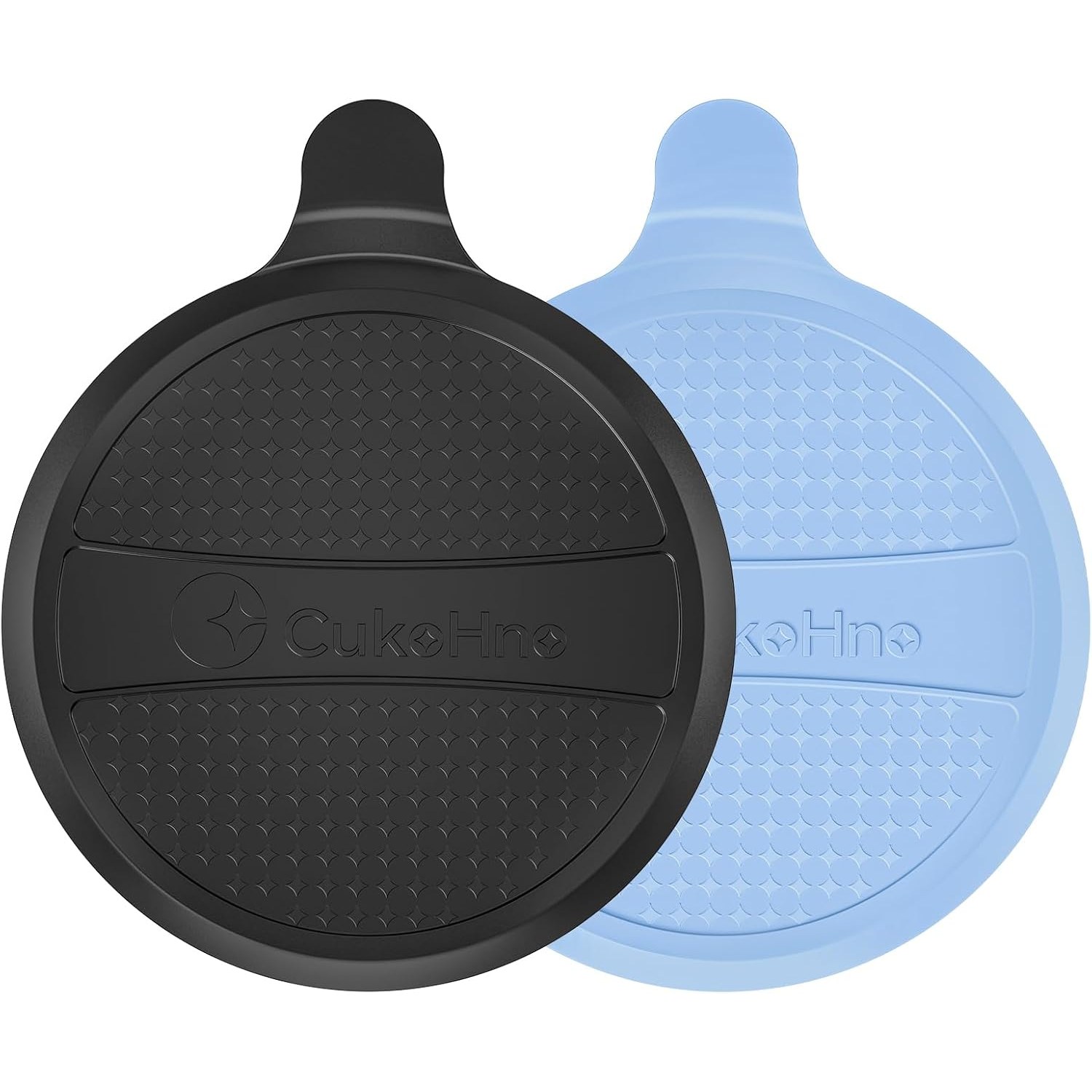
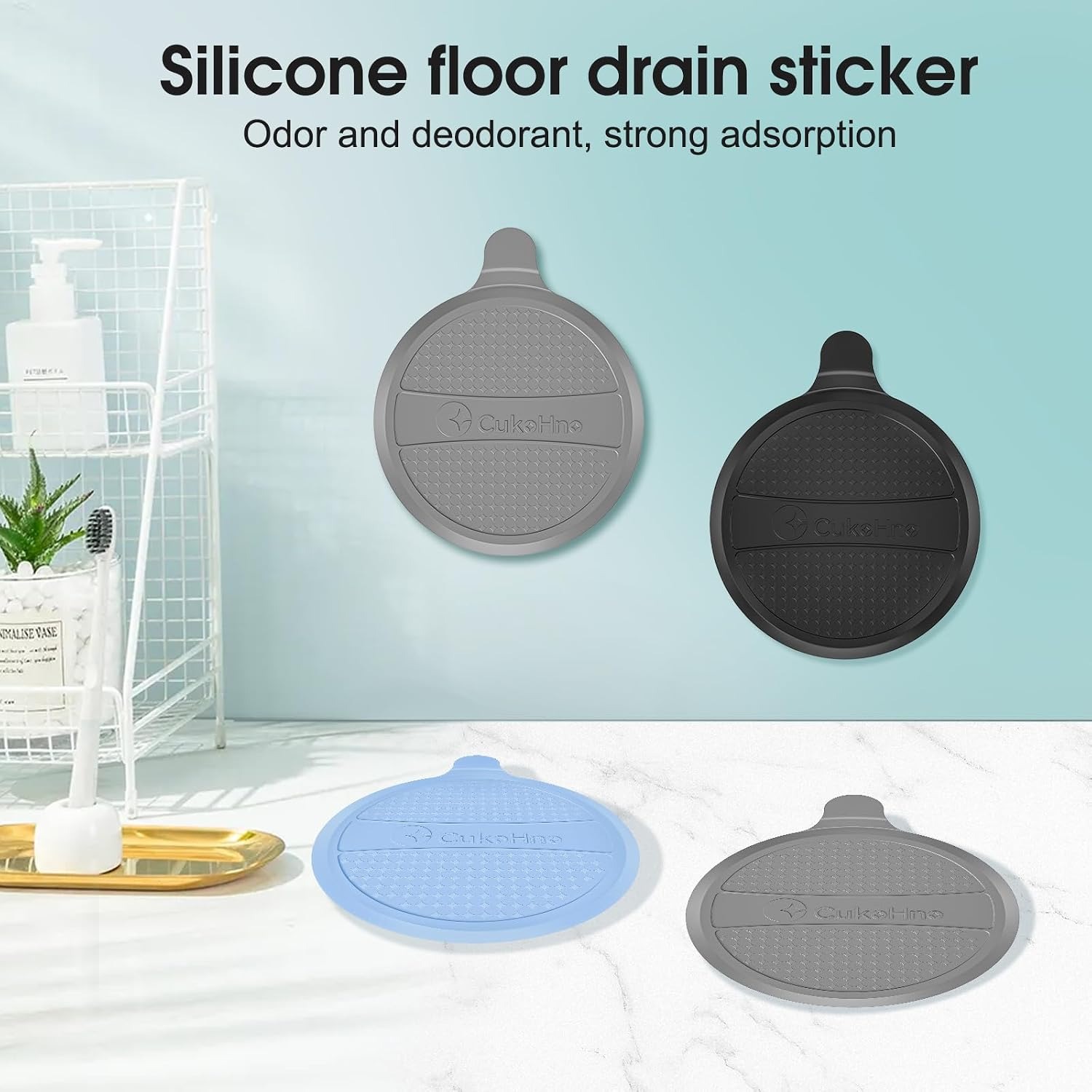
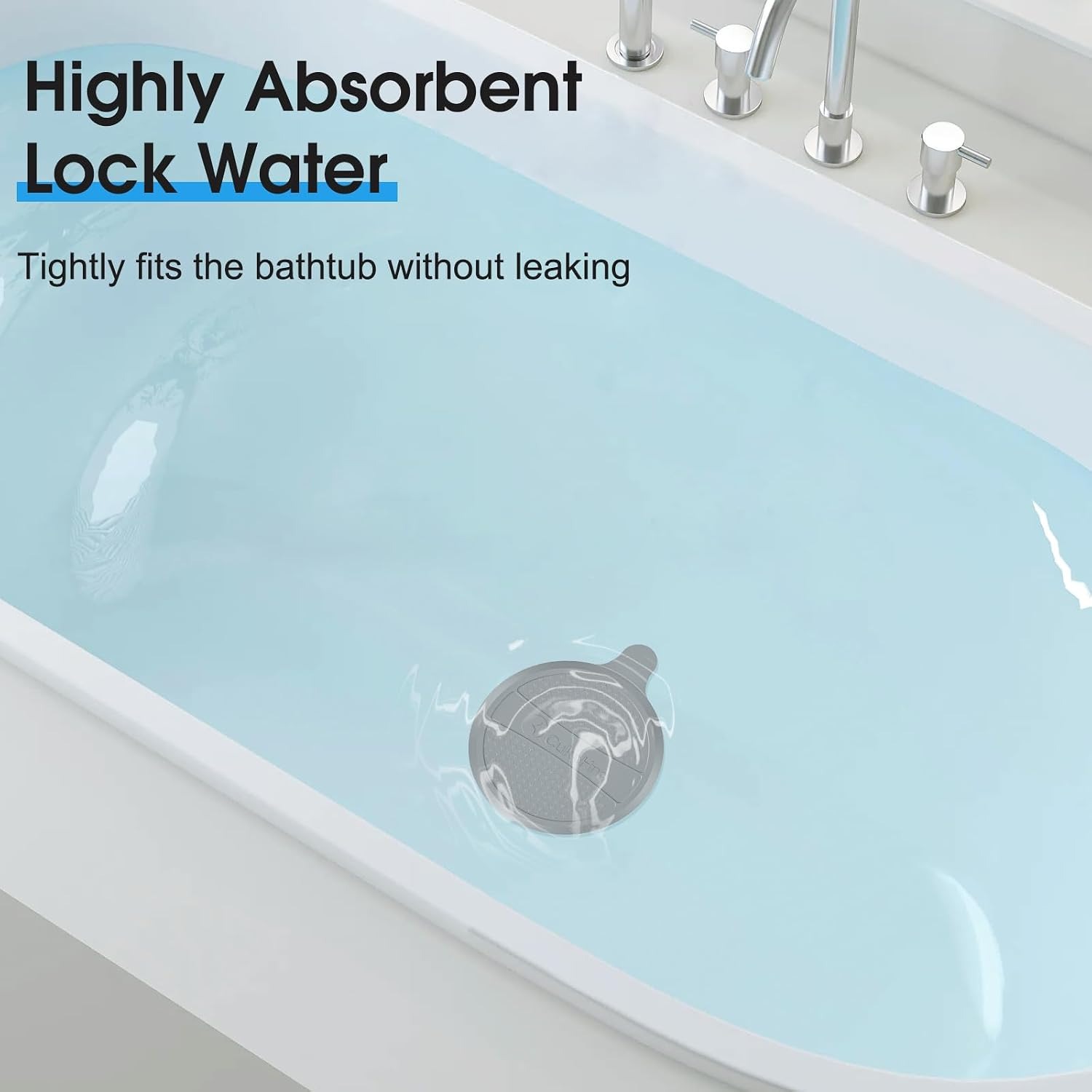
A flat silicone plug sidesteps most of that. There is no chain to break, no shaped rubber cone that has to match your drain, and no mechanism to clog. It is a soft disc that sits on top of the drain and seals by pressure.
How a flat bath plug works
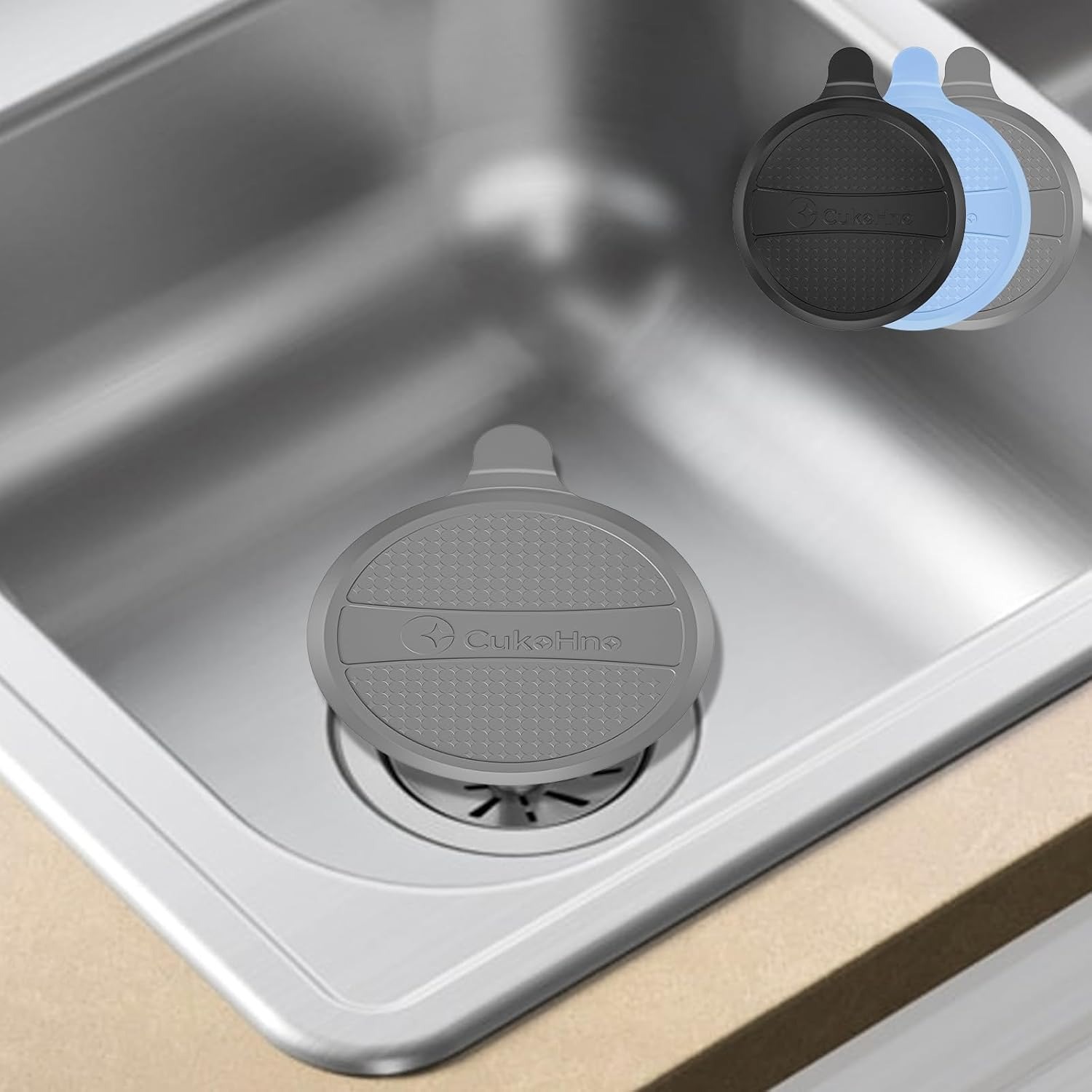
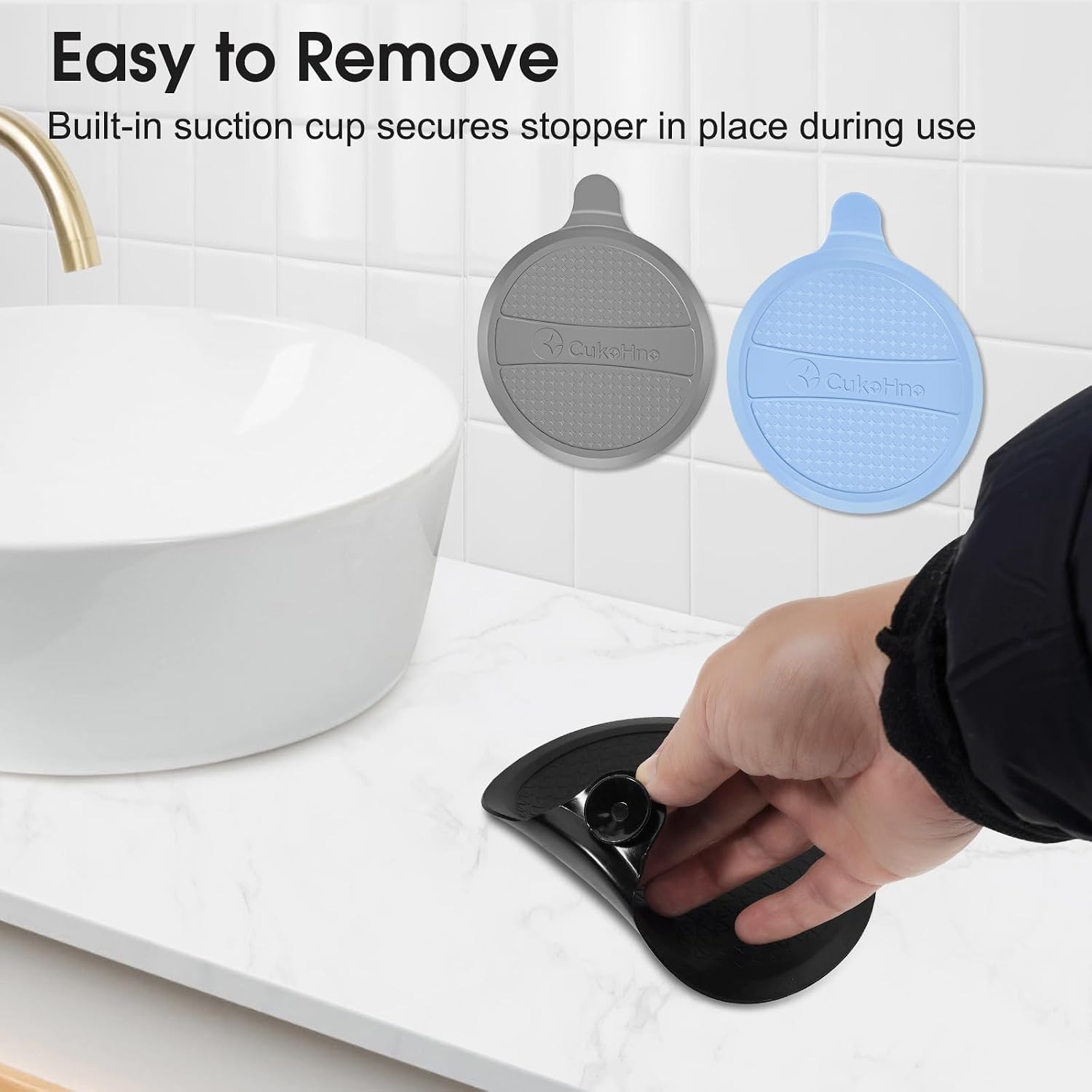
The principle is simple. Lay the plug over the drain opening so the drain sits roughly in the middle. Press down from the centre outwards so air escapes from under the silicone. The suction cup on the underside grabs the smooth surface around the drain and holds the plug in position. Once water starts filling the bath, the weight of that water pushes down on the top of the disc and tightens the seal further.
That is why these plugs tend to hold better the fuller the bath gets. The pressure is working with you, not against you. It is the opposite of a tapered rubber plug, which relies on friction and gets pushed up as the water deepens.
The important detail is the surface. A flat plug needs a flat, smooth landing zone. Most baths and sinks have exactly that, a dish of smooth acrylic, enamel or stainless steel sloping gently down to the drain. If your drain sits in a textured or heavily ridged surround, any flat plug will struggle, including this one.
Size matters more than you think
This stopper is 15 cm wide by 18.5 cm high. That is noticeably larger than the drain opening in a typical bath, and the overlap is the whole point. A plug that only just covers the hole has very little margin for error. Nudge it and it slides off centre. A larger disc can sit a centimetre or two off and still seal cleanly.
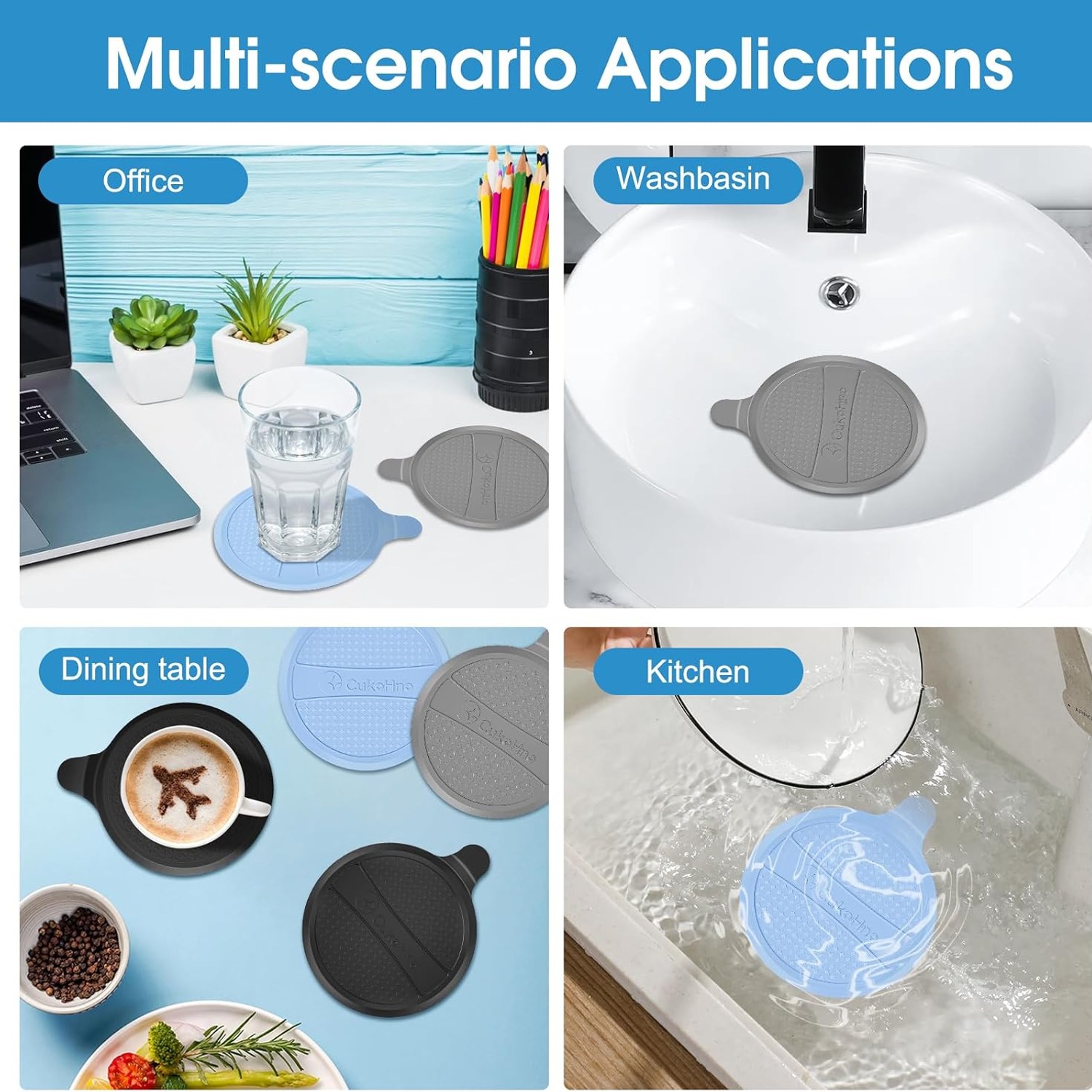
The generous footprint is also what makes this style a sensible universal sink stopper. You are not trying to match a 38 mm or 45 mm drain. You are covering it. The same plug that handles a bath drain will cover a kitchen sink drain and a basin drain, which is why people who buy a two pack usually end up splitting them across two rooms.
Before you order, do one quick check. Look at the area around your drain and ask whether a flat disc the size of a side plate would sit evenly on it. If yes, you are in good shape.
Who this suits
Renters get a lot out of a plug like this. You cannot replace a broken pop-up waste in a flat you do not own, but you can lay a silicone stopper over it and get a proper bath again. The same goes for student housing and holiday rentals.
Parents find them useful because there is no chain for small hands to pull. A small child cannot drain the bath by yanking at a dangling chain if there is no chain to yank. The plug lifts with a deliberate pull from the edge, which takes a bit more intent.
People with older plumbing also do well here. Vintage baths often have unusual drain fittings that modern replacement plugs no longer match. A flat cover does not care what shape the fitting is, only whether the surface around it is smooth.
The group it suits least is anyone whose drain sits proud of the bath base by more than a few millimetres, or whose drain surround is stepped or textured. If that is you, a fitted plug matched to your exact waste is still the better answer.
Choosing between plug styles
There are really four families of bath and sink plug, and each one trades something.
Traditional rubber plugs on a chain are cheap and familiar. They need an exact size match, the chain is the first thing to fail, and old rubber goes hard. If you can find the right diameter, they work fine until they do not.
Pop-up and click-clack wastes look tidy because nothing sits in the drain when it is open. They are also mechanical, which means they have more to go wrong. Hair, soap scum and worn seals all stop them closing properly, and fixing one usually means getting under the bath.
Flat silicone covers, the type here, trade precision for tolerance. They are visible when in use and they need a clean flat surface. In exchange they fit almost anything, cannot snap a chain, and cost very little to replace.
Inflatable and expanding plugs seal by swelling inside the drain. They can work on awkward wastes but they involve more fiddling, and the bladder eventually perishes.
For most households looking for the best flat bath plug, the silicone cover wins on simplicity. There is nothing to maintain.
Getting a good seal first time
Wet both surfaces before you place the plug. A dry suction cup on a dry bath does not grip anywhere near as well. Rinse the drain surround to clear grit, hair or soap flakes, then press the plug down firmly from the middle and work your thumbs out to the edge.
Give it a gentle sideways nudge. If it stays put, the suction has taken. Then run the tap and check the water level after a minute. If it is holding, it will keep holding.
If water is still slipping away, lift the plug, wipe both surfaces properly with soapy water, rinse and try again. Nearly every failed seal comes down to something small caught underneath.
Looking after it
Silicone is low effort. Rinse it after a bath, wipe it with a cloth, and let it dry. Once a week or so, lift it off the drain entirely and wash the underside, since soap film builds up where you cannot see it. Warm water and a bit of dish soap is enough. The product details list it as dishwasher safe, so you can also put it on the top rack with a normal load.
Avoid leaving it pressed to the drain for weeks on end without a lift and rinse. Avoid bleach soaks, scouring pads and anything with a sharp edge. Store it stuck to the side of the bath with the suction cup, or flat in a drawer. Do not fold it hard under a stack of heavy things for months, because a crease across the sealing face is the one thing that can cause trouble.
Bath oils deserve a mention. They leave an invisible film on both the silicone and the bath, and that film is slippery enough to weaken suction. A soapy wash after an oil bath puts it right.
The short version
This is two large silicone discs, 15 cm by 18.5 cm, that lie over a drain and seal it with help from a suction cup underneath. No chain, no sizing chart, no mechanism. They suit baths, kitchen sinks and basins with a smooth flat area around the drain, and they are especially handy for renters, older bathrooms and anyone whose original plug walked off.
Check that your drain surround is flat and smooth, wet both surfaces before you press the plug down, and rinse underneath now and then. Do that and the second plug in the pack will probably sit unopened in a drawer for a very long time, which is exactly where a spare should be.