
The complete guide
Choosing A Pop Up Sink Strainer Plug, A Practical Buyer's Guide
The small part that causes the biggest mess
Nobody shops for a sink plug until something goes wrong. The rubber one perishes and stops sealing. The plastic basket cracks and starts letting rice through. Or the kitchen drain backs up on a Sunday night and a plumber quotes an eye-watering call-out fee for ten minutes of work with a drain snake.
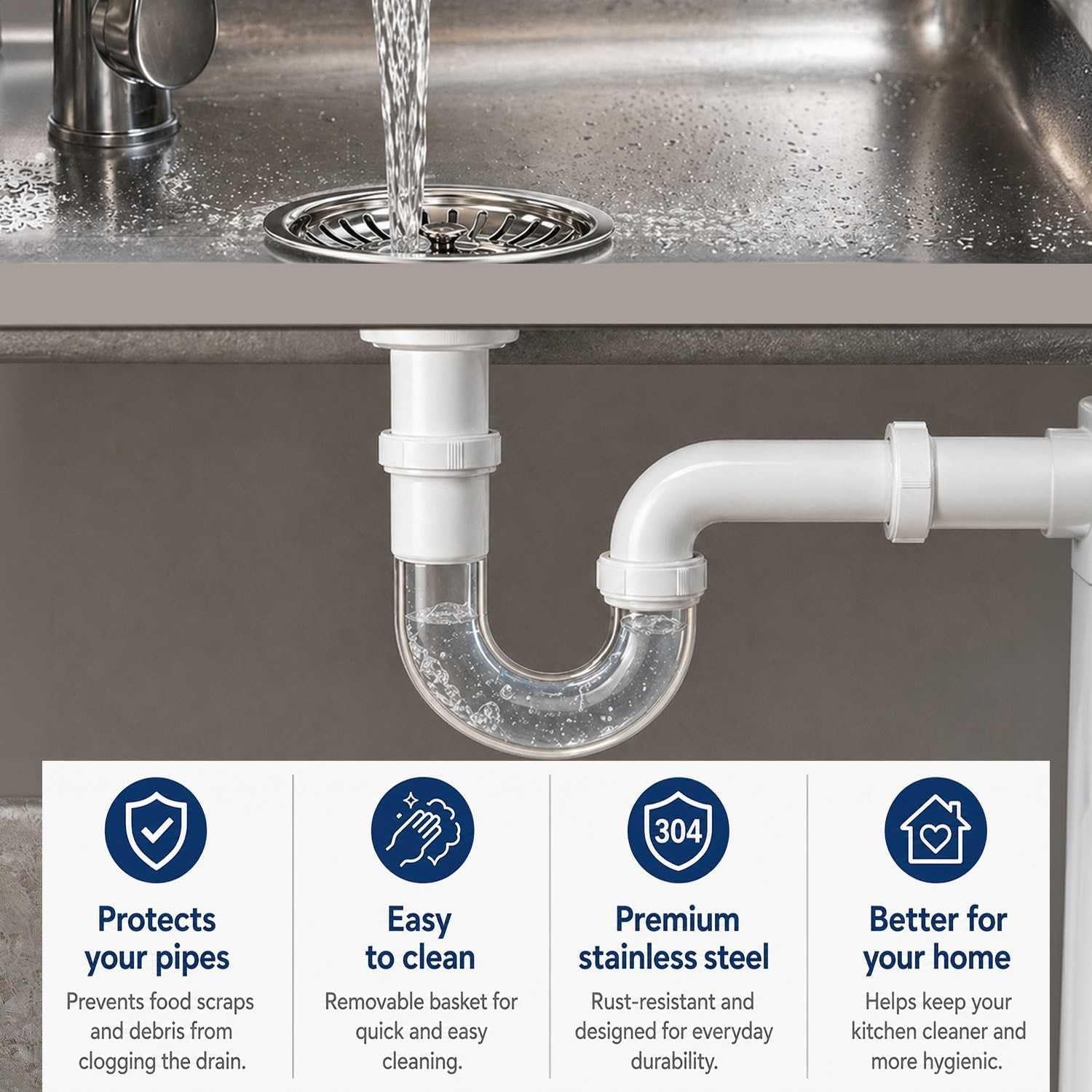
The irritating part is that most kitchen blockages are preventable. They are built slowly from food scraps that slipped past the outlet, caught on a bend in the pipe and then collected grease until the flow slowed to a trickle. A decent strainer sitting in the hole stops that pile ever starting.
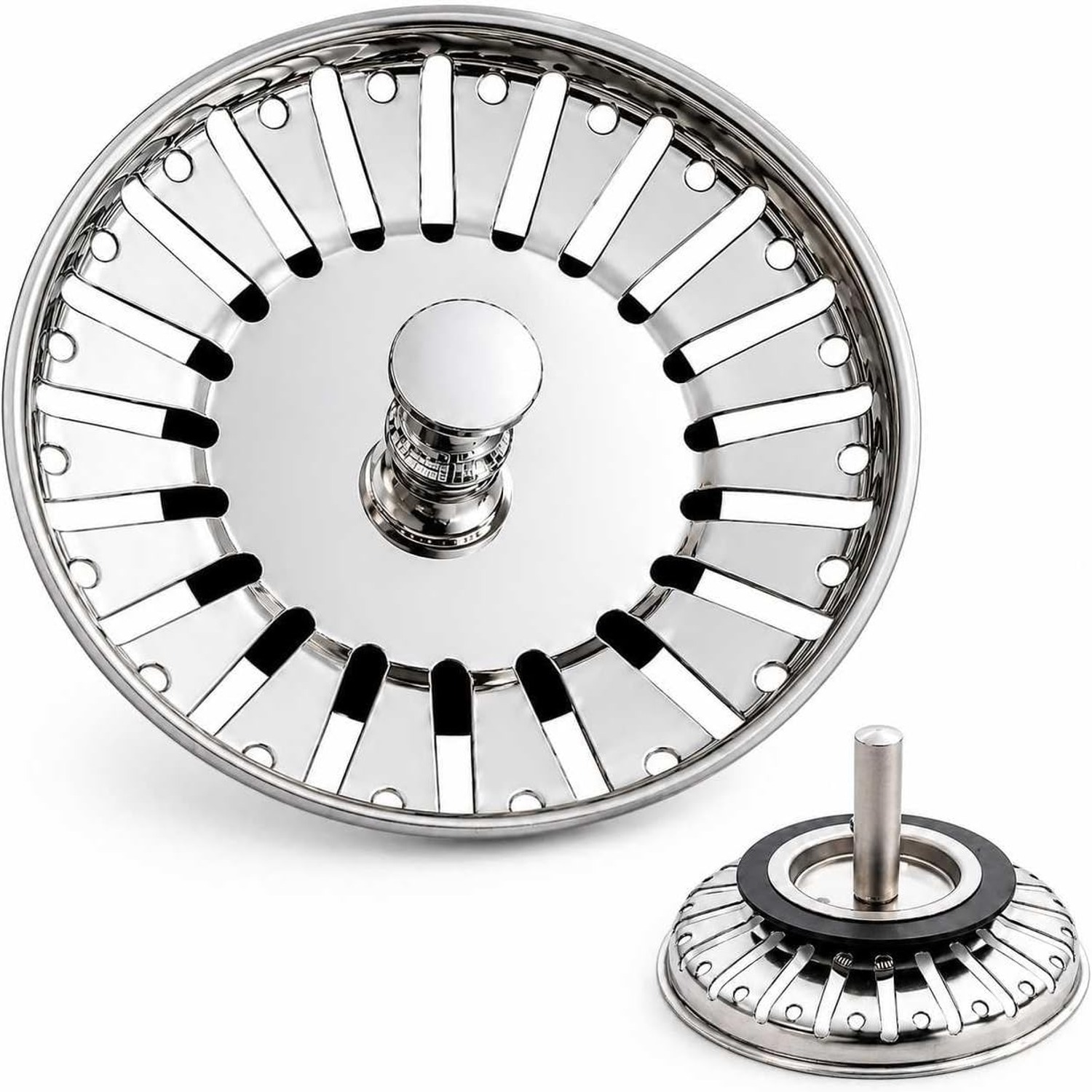
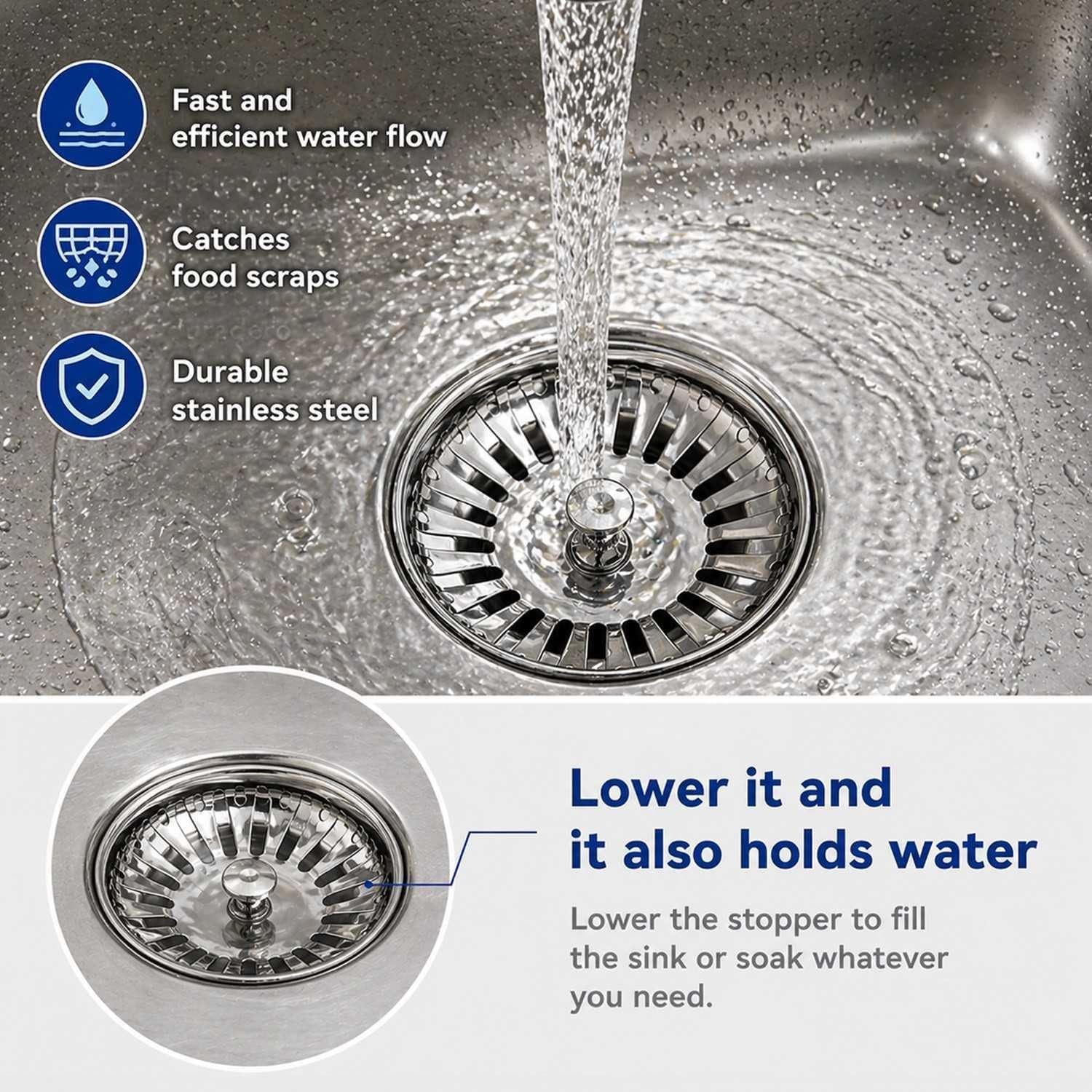
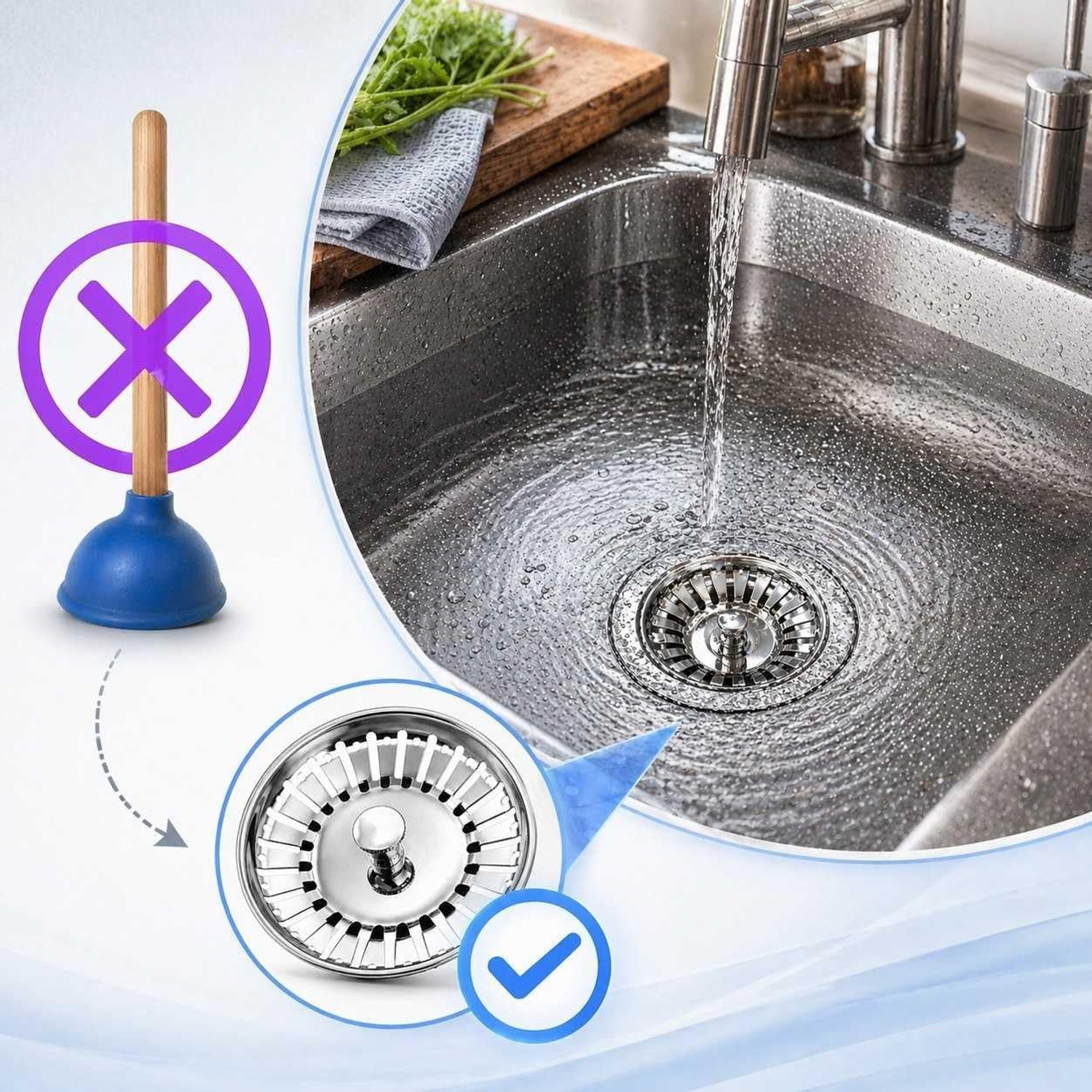
A pop up sink strainer plug goes a step further. It catches the scraps when you are rinsing, and it seals the bowl when you want to fill it. One part, two jobs, no swapping between a strainer basket and a rubber stopper that lives in a drawer and always goes missing.
How the two-position design works
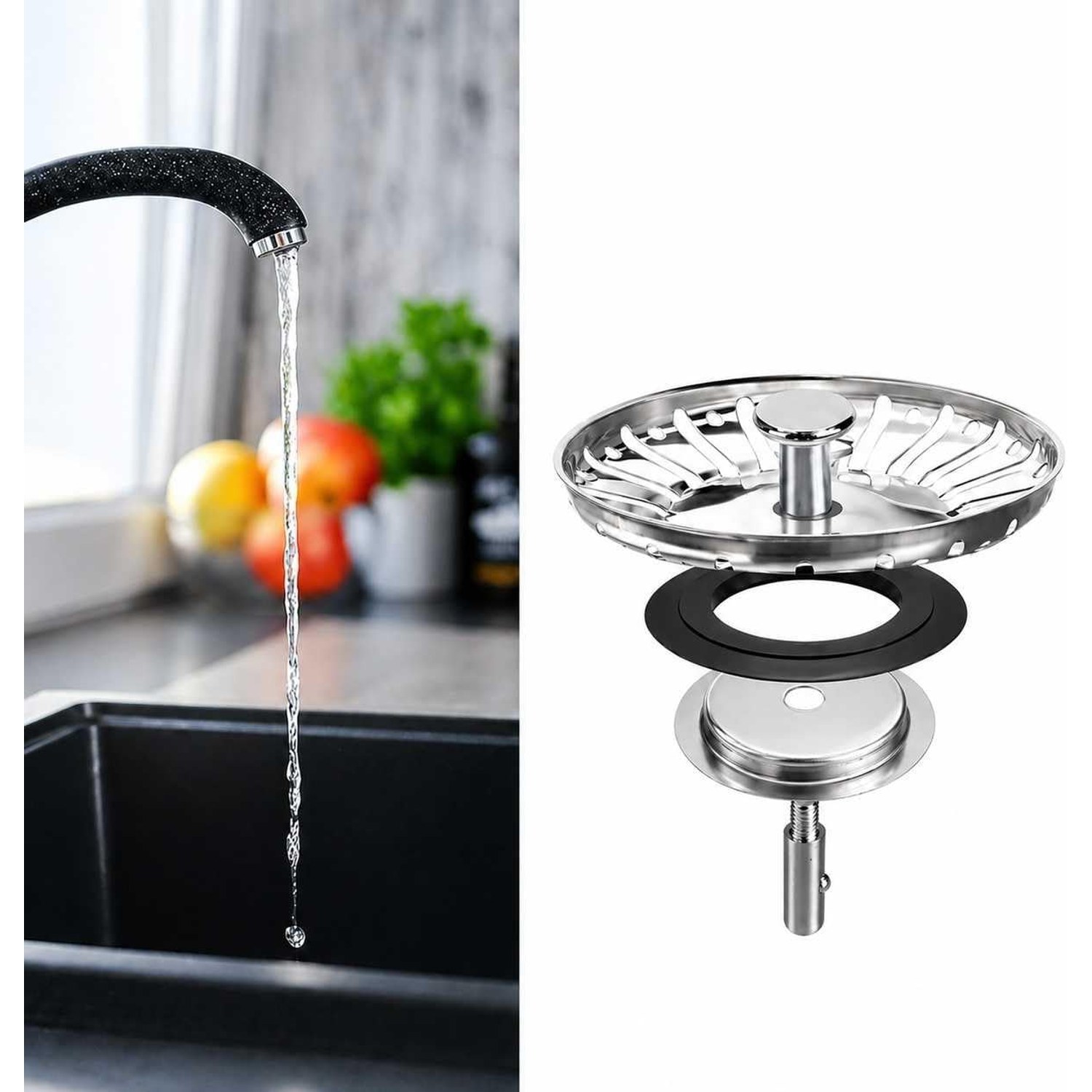
The mechanism is simpler than the name suggests. The cap sits on a shaft that runs down through the body of the strainer. A ball bearing inside grips the shaft just firmly enough that the cap stays wherever you put it.
Leave the cap up and the gaps around it let water drain away. Solids cannot follow because the grid in the cap holds them back. Press the cap down with a finger and a silicone gasket presses against the outlet, sealing the hole so the sink fills.
That is the whole operation. There is no pull rod running to a lever behind the tap, no linkage to adjust, nothing to go out of alignment over time. Traditional pop up wastes in bathrooms use exactly that kind of linkage and it is a common source of complaints, because the rod slips and the plug stops seating. A self-contained unit avoids the problem entirely.
The other advantage is that it lifts straight out. Mechanisms bolted to a lever need unscrewing from below when you want to clean under the cap, which is why so many of them never get cleaned. This one you just pull up.
Materials, and why they are not a detail
Sink wastes get the worst of everything. Hot water, fat, dish soap, the occasional slug of bleach down the drain, and constant wet-dry cycling. Materials decide how long a fitting survives that.
This strainer uses stainless steel for the body and cap, silicone for the gasket and chrome plated brass for the shaft. Stainless shrugs off hot water and detergent without pitting or staining. Silicone keeps its flex far longer than cheap rubber, which goes hard and then stops sealing. Brass is the traditional choice for anything that turns or slides inside a wet fitting, because it will not seize.
Compare that to a budget plastic strainer. It works fine for a few months, then the cap warps slightly from hot water, the seal goes soft, and you notice the sink empties itself overnight while you were soaking a pan. Most people replace plastic ones two or three times before giving up and buying metal.
The finish here is polished silver, which suits almost any stainless sink and does not look out of place in a bathroom basin either.
Getting the size right
This is the part worth slowing down for, because it is the single reason strainers get returned.
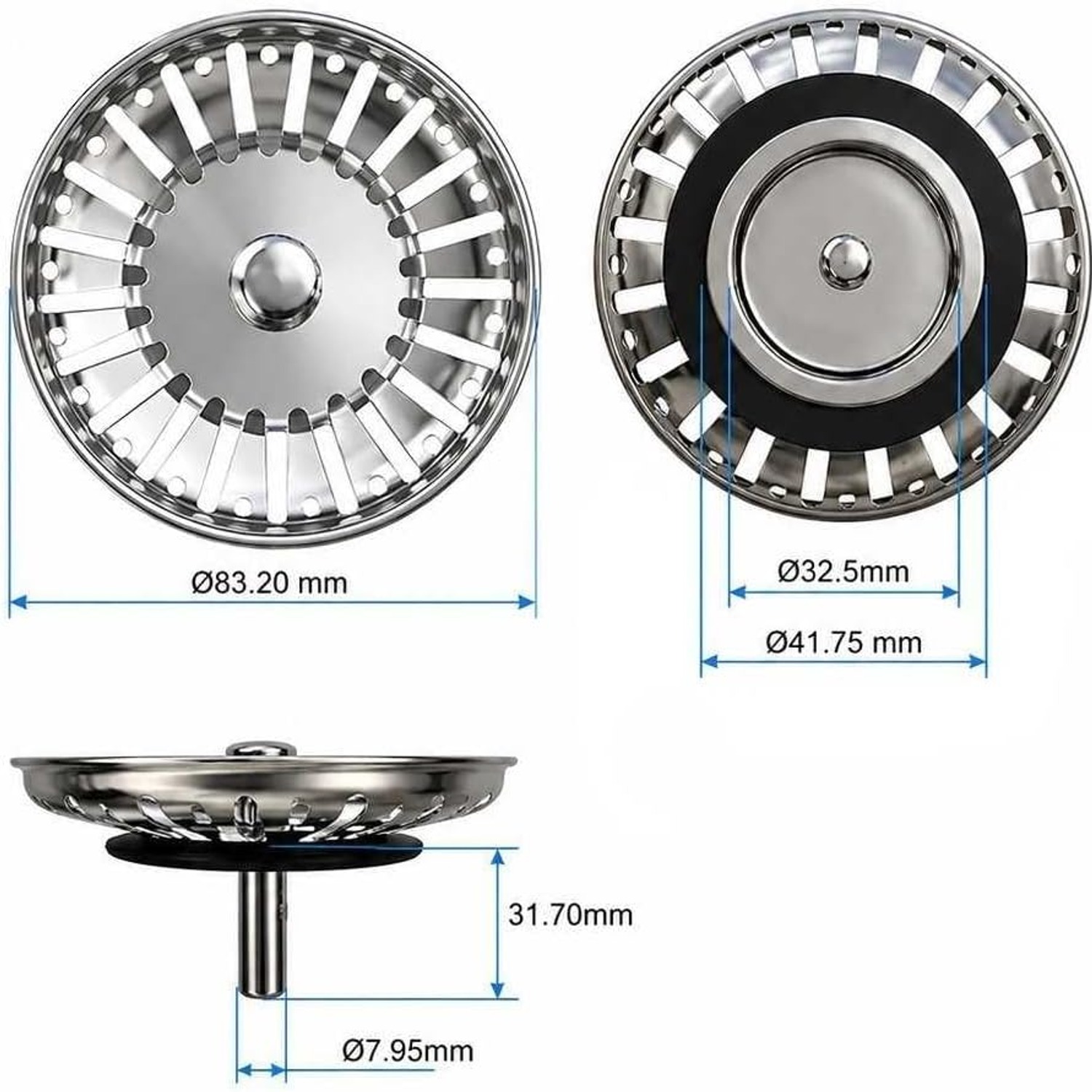
The fitting is made for sink outlets with an 80mm hole. The strainer measures 83mm across the flange, which is what sits visible on the sink surface, and the total height is 47mm. The manufacturer lists a compatible groove diameter of 83mm.
To check your own sink, take a tape measure and measure straight across the circular opening in the bottom of the bowl, from inside edge to inside edge. If it reads roughly 80mm you are in the right territory. Small variations of a millimetre or two are normal in manufacturing and not a problem.
If your measurement comes back notably smaller, around 70mm, or larger, around 90mm, this is not the right part. Older sinks, imported sinks and some designer basins all use their own sizes. A quick measurement saves a return.
One other check. If your sink has a food waste disposer fitted, the outlet is a different and much larger design, and no standard strainer will fit it.
Who gets the most out of it
Anyone who cooks from scratch benefits most. Chopping vegetables, draining pasta and rinsing rice all send small solids towards the drain, and those are exactly what the grid catches.
Renters find it useful too, because it fixes a blocked-drain problem without touching the plumbing and can be taken out when the tenancy ends. Landlords and property managers often buy several at once for the same reason, since the best kitchen sink plug for a rental is one nobody can break by over-tightening.
It also suits anyone tired of hunting for a loose rubber plug. Having the seal built into the strainer means there is nothing to lose. People searching for the best pop up waste stopper are usually solving exactly that annoyance.
Shared kitchens are another good case. In a house with four people, nobody wants to be the one clearing the trap, and a strainer that catches scraps saves that argument.
Living with it day to day
The routine is short. After you drain the sink, lift the strainer out, tip whatever has collected into the bin and give the mesh a rinse under the tap. Put it back. That is it.
Once a week, give it a proper clean. Warm soapy water loosens the grease that builds up on the underside of the cap, and a soft washing up brush clears the grid. Rinse it off, dry it and refit. Drying matters only for looks, since water drying on a polished surface leaves spots.
What to avoid is simple. Skip abrasive scouring pads and gritty powders, which scratch polished stainless. And do not leave it sitting in neat bleach, because while the materials are described as resistant to detergents and bleach, nothing benefits from a long soak in undiluted chemicals.
If the sink ever starts draining slowly with the strainer in place, the strainer is almost always the thing that needs cleaning rather than the pipe. Grease closes the mesh gradually and you may not notice until the flow drops.
Two small habits that help
Scrape plates into the bin before they hit the sink. A strainer catches solids but it cannot do anything about volume, and a cap full of leftover bolognese just slows the water.
Pour cooking fat into a jar rather than down the drain. Hot fat is liquid and runs straight through any mesh, then sets solid in the cold pipe further along. This is how most serious kitchen blockages actually form, and no strainer prevents it.
The short version
A pop up sink strainer plug replaces two things, your strainer and your plug, with one fitting that stays in the sink. Press the cap down to fill the bowl, lift it to drain, and empty the grid when you are done.
This one is stainless steel with a silicone gasket and a chrome plated brass shaft, in a polished silver finish. It measures 8.3cm across and 4.7cm tall, and it is made for sink outlets with an 80mm hole.
Measure your outlet first. If it comes in around 80mm, this drops in and takes thirty seconds to fit, and you can stop thinking about your drain for a long while.